


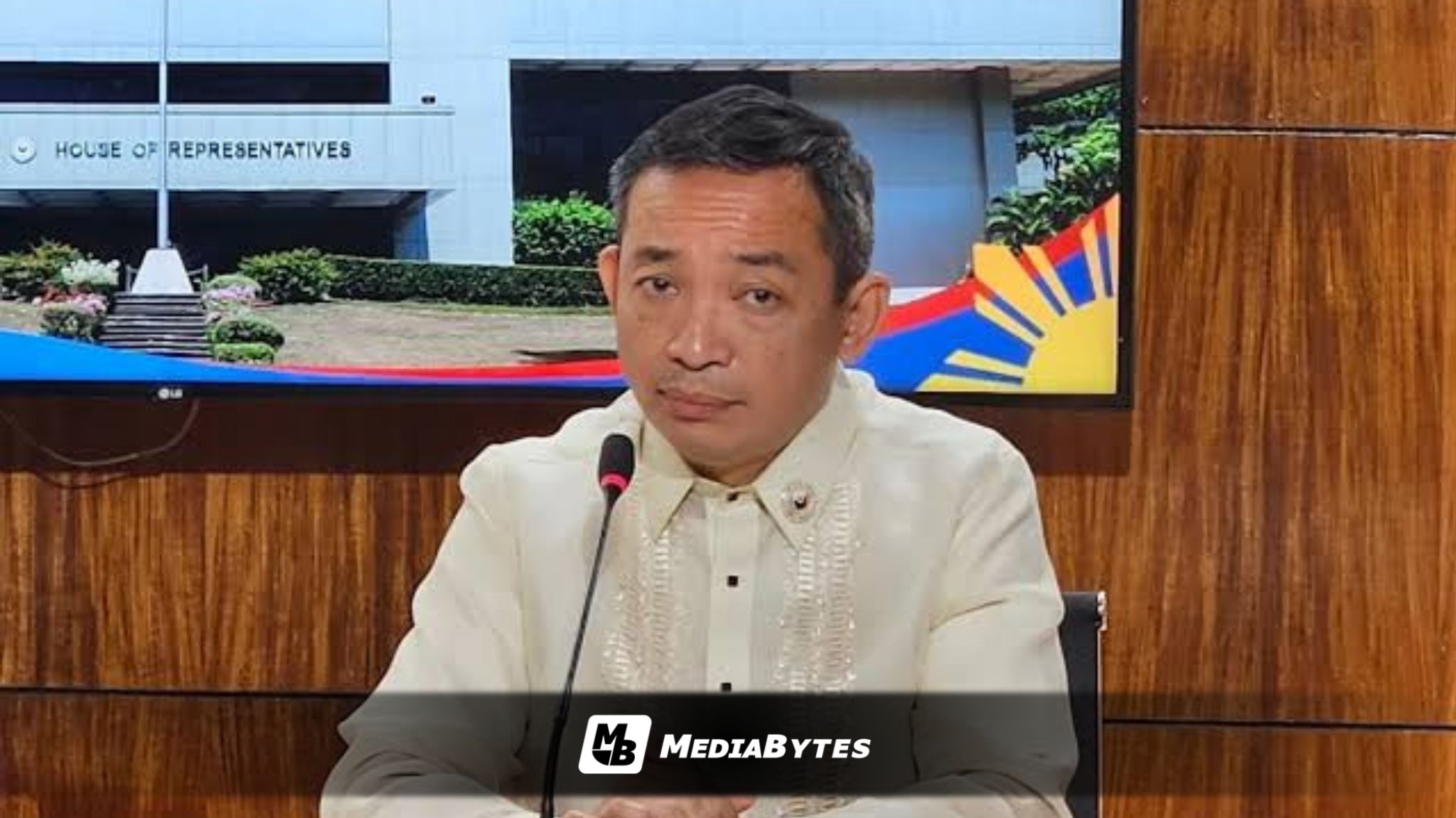
ACT Teachers Party-list Representative Antonio Tinio has raised concern over reports that the United States is opening bidding for a Defense Fuel Support Point (DFSP) along the Davao Gulf, a planned military oil depot with a storage capacity of 977,000 barrels.
The House deputy minority leader described the project as a dangerous escalation of U.S. military basing in the Philippines, warning that it undermines sovereignty and poses serious security risks for communities in Mindanao.
“This planned US military oil depot is not about helping Filipinos—it is about securing fuel for US warships and aircraft as part of Washington’s forward-based refueling chain in the Western Pacific,” Tinio said.
“It deepens our entanglement in great power rivalry and turns parts of Mindanao into a forward operating platform for war.”
Tinio cautioned that positioning a major fuel hub near strategic sea lanes such as the Sulu Sea and Celebes Sea could make Davao and surrounding areas vulnerable to attack or retaliation in the event of wider conflict.
“Fuel depots are prime military targets. Building a US-controlled refueling hub in the Davao Gulf effectively paints a bullseye on communities that simply want peace, jobs, and basic services,” he said.
“The people of Davao should not be forced to pay the price for Washington’s military strategy.”
He also criticized the situation as contradictory amid the ongoing oil crisis affecting Filipino consumers.
“It is outrageous that while Filipino families and transport workers suffer from the oil crisis, government is welcoming a facility meant to store US-owned fuel. If the administration is serious about energy security, it should prioritize affordable fuel and public welfare—not foreign war logistics,” he said.
“Ginagawang bodega ng krudo para sa digma ang Davao. Ipinapahamak ang mamamayan habang pinaglilingkuran ang interes ng dayuhan.”
Tinio called for full public disclosure of the project’s legal basis, implementing agreements, environmental safeguards, and the role of Philippine agencies, including whether it is linked to the Enhanced Defense Cooperation Agreement (EDCA).
“Government must come clean: what agreement authorizes this, who approved it, what are the exact locations, and what protections—if any—are in place for local communities and the environment,” he said.
“The Philippines should not be used as a gasoline station for foreign wars… This cannot be railroaded through procurement notices and ‘deterrence’ talking points.”
He reiterated his call for an independent foreign policy, saying national priorities should focus on economic relief and sovereignty protection rather than expanded foreign military footprint.