


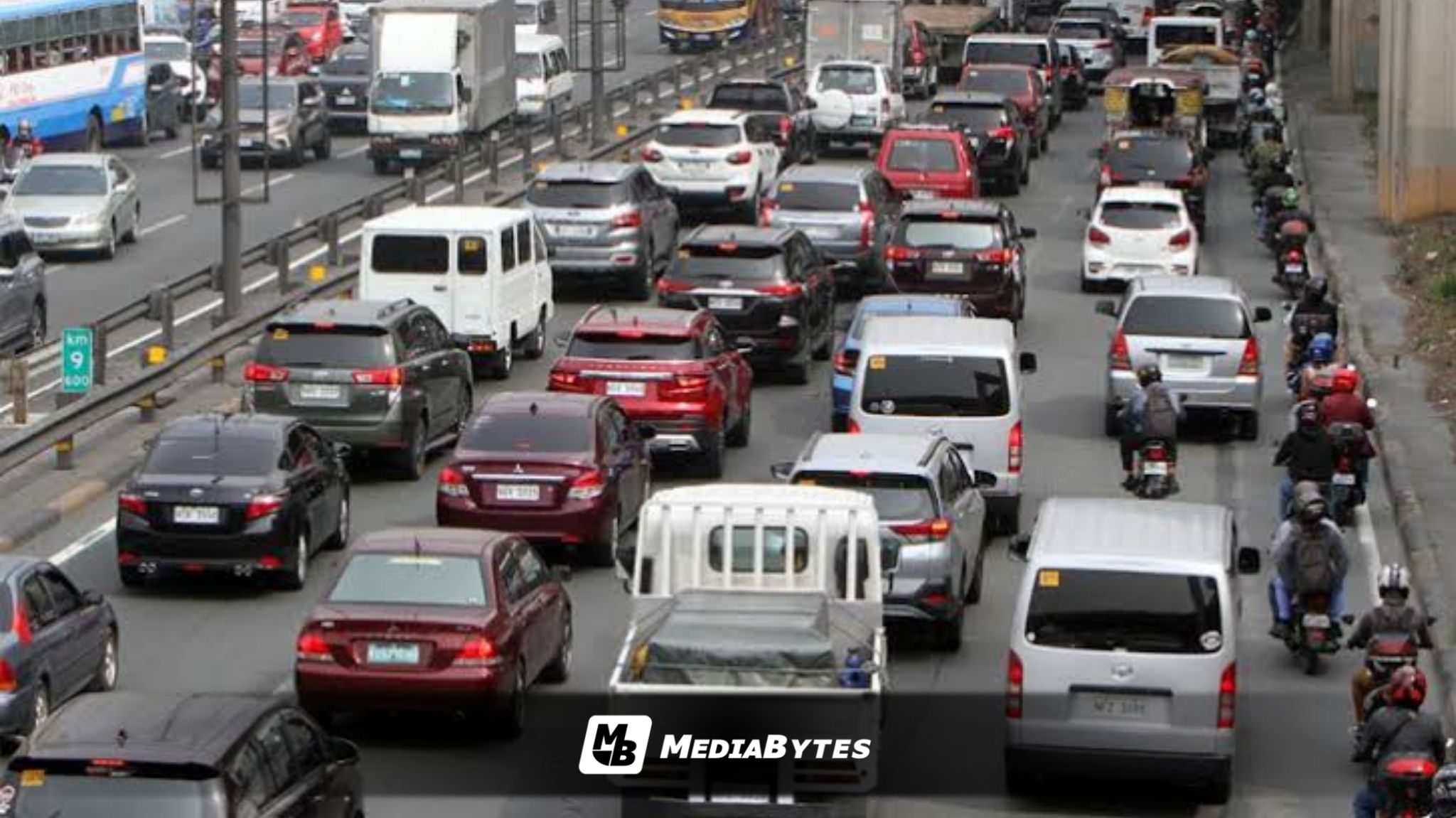
A transport network vehicle service (TNVS) drivers’ group has raised concerns over a Land Transportation Franchising and Regulatory Board (LTFRB) memorandum circular that temporarily lowered surge pricing during the holiday season, warning it could reduce driver earnings and limit ride availability amid heavier traffic and stronger commuter demand.
TNVS Community Philippines said the reduced surge pricing cap, effective during the peak Christmas period, weakens a core feature of the TNVS fare system that reflects traffic congestion, trip difficulty, pick-up distance, and operating costs.
In a weekend statement, the group said dynamic pricing is meant to offset longer travel times and higher fuel consumption during peak hours.
Spokesperson Lisza Redulla said the sudden adjustment threatens drivers’ income as fuel prices remain high and road congestion worsens. She added that lower surge rates during high-demand periods could push drivers offline if earnings no longer justify the time and costs involved, making it harder for commuters to book rides.
The group also pointed to earlier discussions with regulators, noting that the LTFRB had mentioned possible “compensatory adjustments,” such as higher pick-up fares, which have yet to materialize.
“We are simply asking: where are those adjustments now?” the group said, adding it remains open to dialogue as long as fare changes are made through proper consultation and result in fair outcomes for both drivers and passengers.
LTFRB Chairman Vigor Mendoza said the measure is temporary, covering December 17, 2025 to January 4, 2026, during the height of Christmas travel. He said the board will continue reviewing surge pricing rules, regulations, and jurisprudence.
Mendoza said Memorandum Circular 2025-056 was issued to address persistent passenger complaints over unclear and inconsistent surge pricing computations, following instructions from the President and the transport secretary to set clearer guidelines.
Under the new rules, surge pricing is capped at no more than the combined per-kilometer and per-minute charges, replacing the earlier rule that allowed surges of up to twice the base fare.
The circular also keeps existing flagdown, distance, and time rates, provides sample fare computations, and orders transport network companies to reconfigure their fare algorithms by December 17. To help support driver income, the LTFRB directed operators not to collect any commission or service fee from the surge price component during the memo’s implementation.