


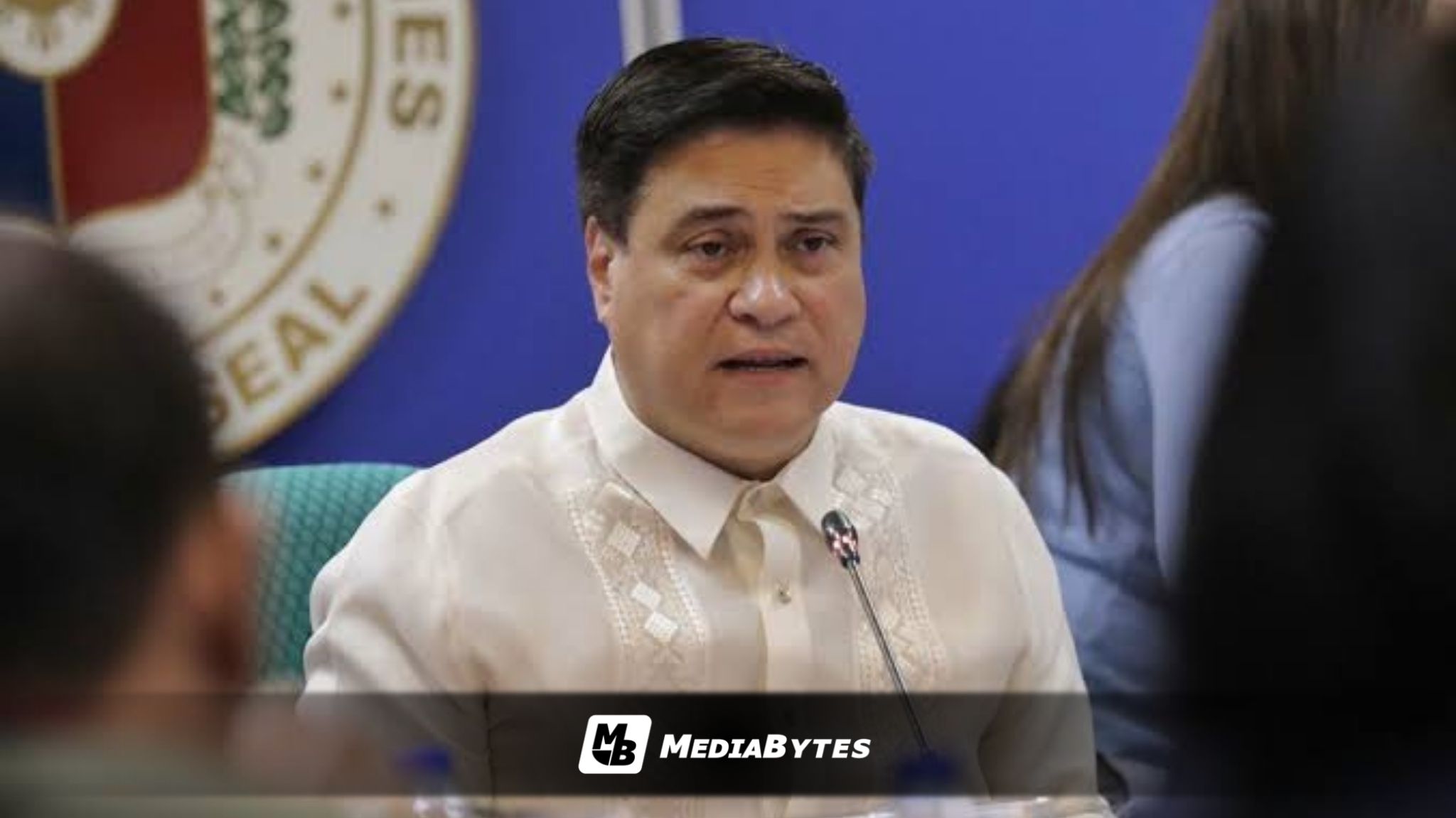
Senate Majority Leader Migz Zubiri has joined fellow lawmakers in advocating for the extension of the Estate Tax Amnesty deadline until December 31, 2028.
Zubiri said the proposed Senate Bill No. 1865 aims to provide heirs with more time to settle unpaid estate taxes, allowing families to finally transfer properties that have remained legally frozen due to unsettled obligations.
The measure seeks to ease the burden on families struggling to comply with estate tax requirements by extending the amnesty period to 2028.
“Marami sa atin ang nagdadalamhati na nga sa pagkawala ng mahal sa buhay, nahihirapan pa silang bunuin ang estate tax kapag may naiwang property para sa kanila, lalo na kung wala pang kakayahang bayaran ito,” Zubiri said.
Estate tax refers to the levy imposed on the transfer of a deceased person’s assets to their heirs. Under existing rules, it is computed at six percent of the net estate before titles can legally be transferred.
The original Estate Tax Amnesty Law, Republic Act No. 11213, was enacted to encourage settlement of unpaid estate taxes with reduced penalties, surcharges, and interest.
It was later extended through Republic Act No. 11569 and again under Republic Act No. 11956, which moved the deadline to June 14, 2025. With that period already lapsed, lawmakers are now seeking a third extension.
Under the proposed measure, heirs of individuals who died on or before December 31, 2024 may avail themselves of the amnesty, provided they settle the corresponding estate tax.
Zubiri emphasized the heavy financial burden faced by families:
“Bakit nahihirapan ang mga pamilya sa estate tax? Kasi kung malaki ang halaga ng property, malaki rin ang halaga ng babayarang buwis. Imagine the property in question is worth ₱25 million after the allowable deductions, hindi naman biro ang ₱1.5 million na estate tax, lalo na for middle-income families.”
He warned that failure to pay on time results in accumulating penalties, interests, and surcharges, with some families even facing criminal liability.
“So families will be facing huge fines and even imprisonment,” he lamented.
Aside from the six percent base estate tax, late payment may trigger a 25 percent surcharge, or 50 percent in cases involving willful neglect or fraudulent returns, plus 12 percent annual interest and possible fines and imprisonment under the National Internal Revenue Code.
“Hindi naman natin tinatanggal ang 6% estate tax sa ating amnesty. Babayaran pa rin naman iyon. Ang inaalis natin ay ang mabibigat na penalties at interest na nagpapahirap lalo sa mga pamilya,” Zubiri explained.
He also highlighted the broader economic impact of unlocking properties tied up in unsettled estates.
Once ownership is properly transferred, heirs can sell, lease, develop, or use the assets as collateral — potentially stimulating economic activity and generating additional government revenues through other taxes.
“When these properties are legally transferred, they gain higher economic value. Heirs can sell them, lease them, develop them or use them as collateral for business. That means more movement in the land market and eventually more revenue for government through other taxes like capital gains,” Zubiri stressed.
The House of Representatives has already approved on third and final reading its counterpart measure, House Bill No. 6614, which also seeks to extend the deadline to December 31, 2028.
Other senators who have filed similar proposals include Kiko Pangilinan, JV Ejercito, Jinggoy Estrada, Erwin Tulfo, and Mark Villar.
However, the Senate Committee on Ways and Means, chaired by Senator Pia Cayetano, has yet to conduct a public hearing on the pending measures.