


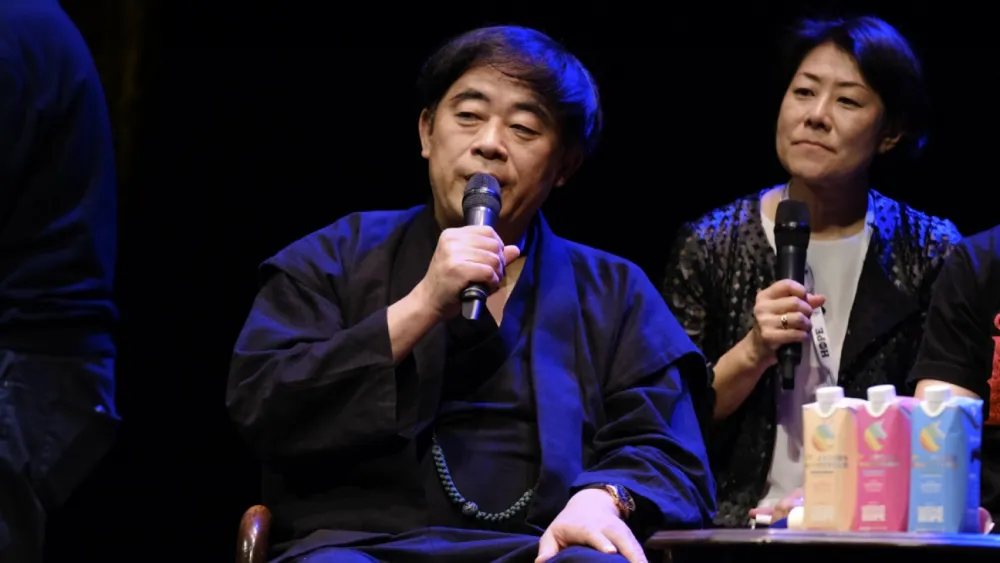
Acclaimed anime director Gorō Taniguchi, known for his work on Code Geass, has issued a cautionary message about the anime industry’s growing dependence on adaptations, warning that the trend could jeopardize both creative innovation and long-term commercial sustainability.
Warning on Adaptation Dependency
In a recent interview, Taniguchi noted that while adaptations of manga, light novels, and games often achieve commercial success by tapping into established fanbases, an overreliance on such projects could hinder original content creation.
“The financial safety net provided by adaptations makes them attractive investments for studios and production committees, but if the industry continues to depend too much on them, it may lose the ability to create new, lasting titles,” Taniguchi said.
Sources: Anime News Network, Crunchyroll News
The Value of Original Anime
Taniguchi emphasized that some of the anime medium’s most iconic franchises started as original projects, later expanding into multimedia empires. He encouraged studios to invest in unique concepts, noting that original anime is essential to defining the medium’s identity and maintaining global competitiveness.
Original works inspire new audiences, foster creativity, and prevent the sector from relying solely on pre-existing intellectual properties.
Industry Trends and Business Pressures
The surge in adaptations over recent years is driven by financial considerations. Production committees often favor projects with built-in audiences to minimize risk, especially in an increasingly competitive market. Analysts warn that this strategy, if unchecked, could result in creative stagnation.
Relevance to Filipino Audiences
In the Philippines, anime viewership has grown significantly via streaming platforms like Netflix and Crunchyroll, where manga and light novel adaptations often dominate rankings. Filipino fans have expressed a strong appetite for both adaptations and original stories, frequently discussing the importance of fresh content in online forums.
Improved access to simulcasts and localized subtitles has expanded audiences, making the balance between adaptations and original titles especially relevant for Philippine viewers.
Broader Implications for the Industry
Taniguchi’s statements echo wider industry conversations regarding sustainability and creativity. While adaptations are likely to remain central to production, the director stresses that original projects are vital to ensuring long-term growth and global reach.
A lack of new ideas, he warns, could leave anime overly dependent on existing properties, risking its future potential.
Conclusion
Gorō Taniguchi’s warning underscores a pressing challenge for the anime sector: finding equilibrium between commercially safe adaptations and innovative storytelling. For global audiences, including in the Philippines, the future of anime hinges on maintaining this balance to secure both creative vitality and continued international appeal.