


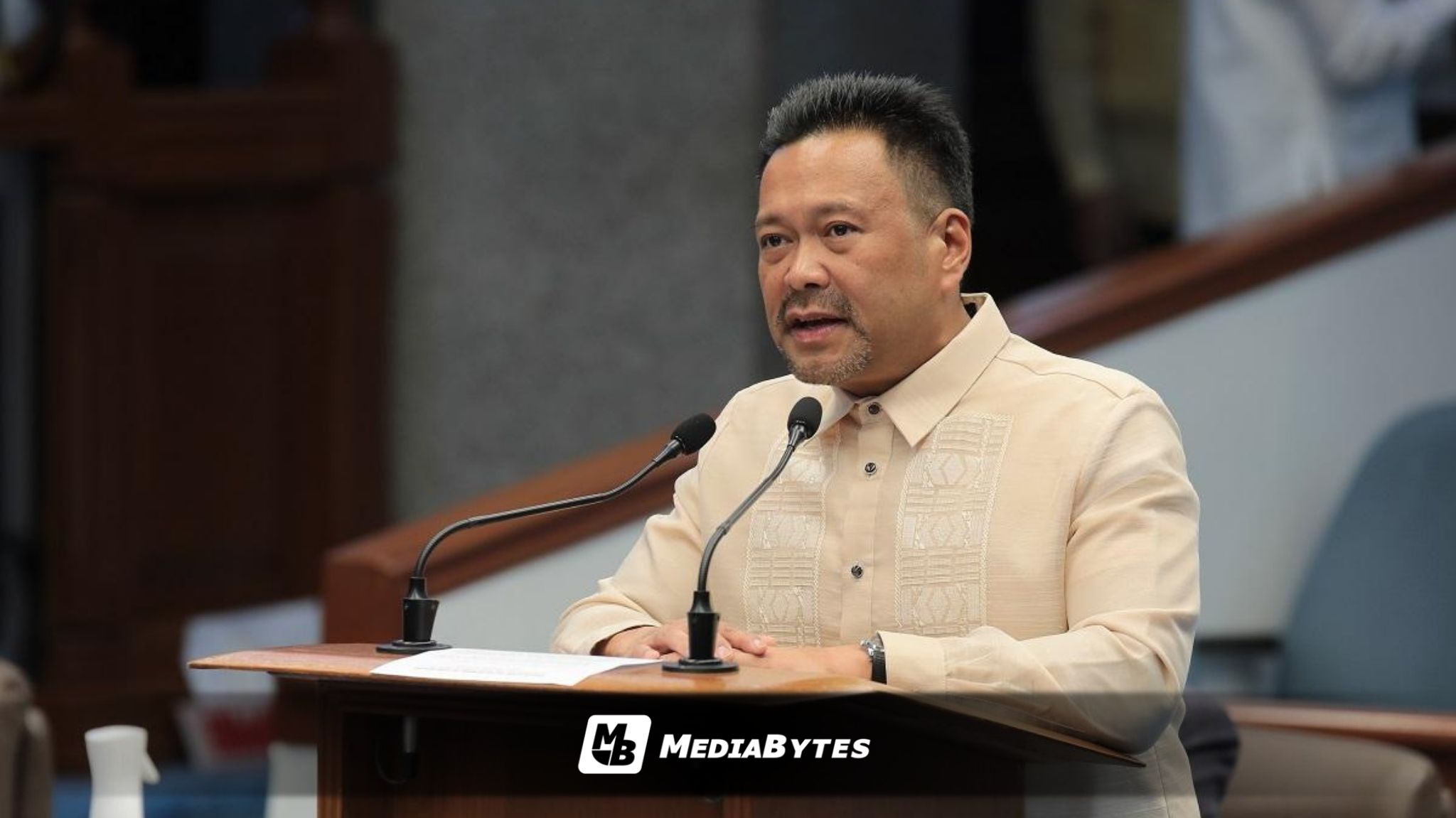
To alleviate the financial strain of entering the workforce, Senate Deputy Majority Leader JV Ejercito has introduced a legislative measure offering a one-time ₱5,000 cash allowance to recent graduates of tertiary and vocational institutions.
Senate Bill No. 1961, officially designated as the “Fresh Graduates ₱5,000 One-Time Cash Grant Act of 2026,” aims to support young Filipinos as they transition from school to employment.
Ejercito emphasized that the state should actively incentivize the drive of young citizens to join the labor market by easing their initial economic challenges.
“Many individuals who have completed tertiary education aspire to secure decent employment that provides adequate benefits for a stable and dignified living. However, as fresh graduates who often have limited financial resources, they are faced with various expenses associated with job applications,” Ejercito noted in the bill’s explanatory section.
The lawmaker pointed out that job hunting entails unavoidable upfront costs, including commuting expenses, printing application documents, and acquiring suitable corporate attire. These requirements, he noted, place immense pressure on young applicants who lack an independent income.
While the existing First Time Jobseekers Assistance Act already eliminates fees for specific government pre-employment documents, Ejercito clarified that his proposed measure expands on this safety net.
“This assistance is intended to help fresh graduates cover the basic expenses related to their job search, allowing them to focus on developing their skills and preparing themselves to secure meaningful employment,” he stated.
To qualify for the financial grant, applicants must present an official diploma, graduation certificate, or authentic documentation from their academic or technical-vocational school to the designated government office or local government unit (LGU).
The paperwork must explicitly verify the date of completion, the specific degree or course finished, and bear the signature of an authorized school official.
Furthermore, the bill mandates the establishment of an inter-agency monitoring committee, led by the chairperson of the Commission on Higher Education (CHED).
This body will be responsible for drafting the law’s implementing rules and regulations, tracking its progress, and recommending administrative sanctions against any official or entity failing to enforce the program.