


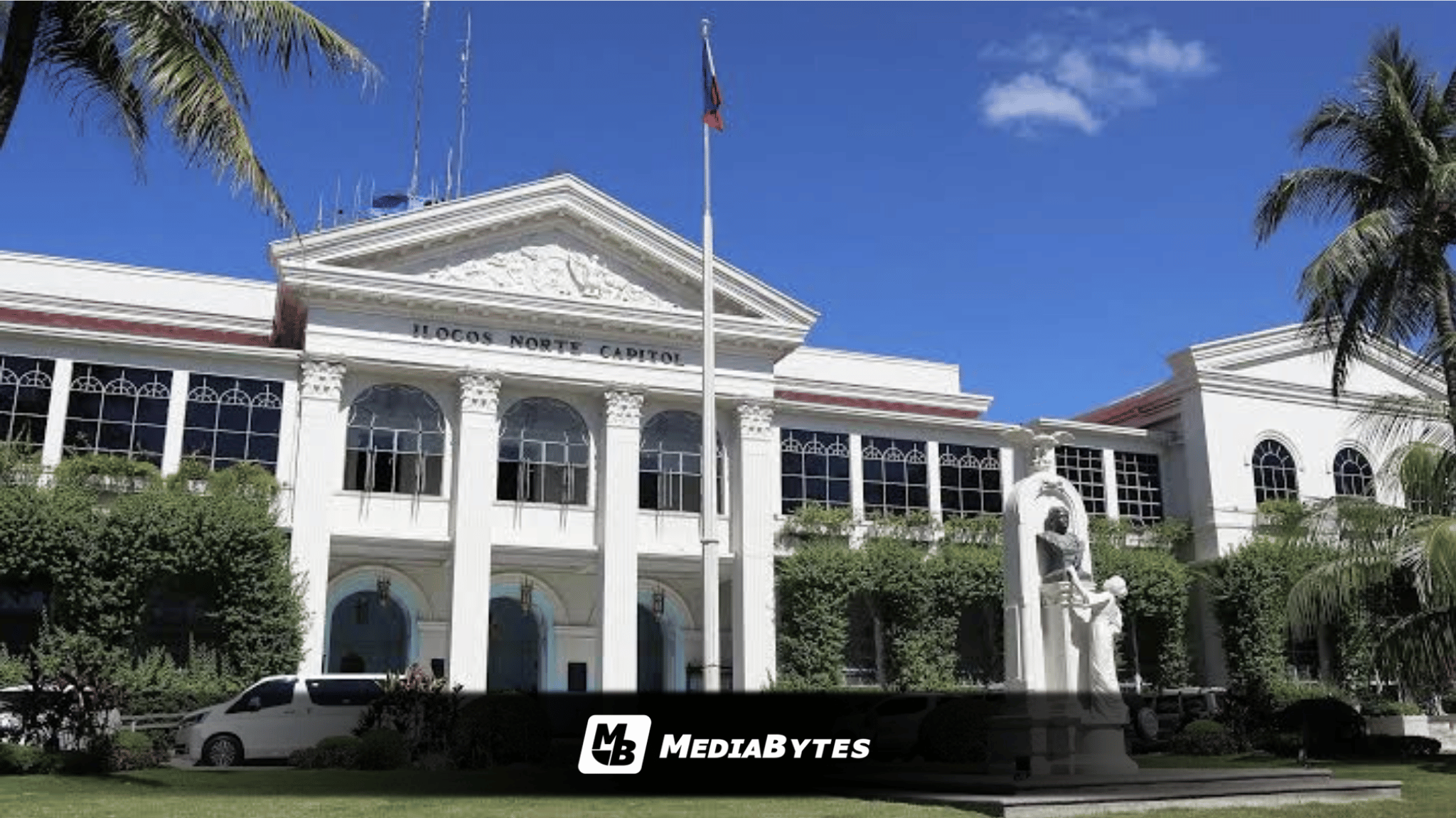
The provincial government of Ilocos Norte is stepping up its proactive measures against the anticipated impacts of El Niño, prioritizing water resource management and agricultural protection ahead of severe dry conditions.
Governor Cecilia Araneta-Marcos renewed calls for widespread water conservation and the installation of rainwater-harvesting infrastructure following a recent strategic briefing with the Provincial Resiliency Office.
”As part of the short-term measures, we will be providing short-maturing and drought-tolerant planting materials, while promoting high-value crops in rainfed areas as an alternative to rice,” Araneta-Marcos said during a press conference at the provincial auditorium.
To mitigate immediate risks to livelihoods, the local government unit is rolling out short-term interventions. These include distributing drought-resilient seeds, fuel assistance, water pumps, and irrigation hoses, alongside funding the construction and repair of small farm reservoirs in communities reliant on shallow tube wells.
For long-term climate resilience, the administration is focusing on expanding agricultural infrastructure. Planned projects include additional small water impounding facilities, spring development, diversion dams, and solar-powered irrigation networks.
“We have been in close coordination with the National Irrigation Authority (NIA), led by Administrator Eddie Guillen, to better prepare for it,” Araneta-Marcos added.
The NIA continues to collaborate with local farmers and irrigators’ associations to enforce strict cropping calendars, promote water-saving techniques, and encourage crop diversification.
Provincial Agriculturist Teresa Bacnat noted that recent rainfall helped replenish local small water impounding reservoirs, securing vital reserves for upcoming dry months.
Meanwhile, public facilities including schools, hospitals, and private residences are being urged to implement rainwater collection systems and audit local water infrastructure to prevent leaks.