


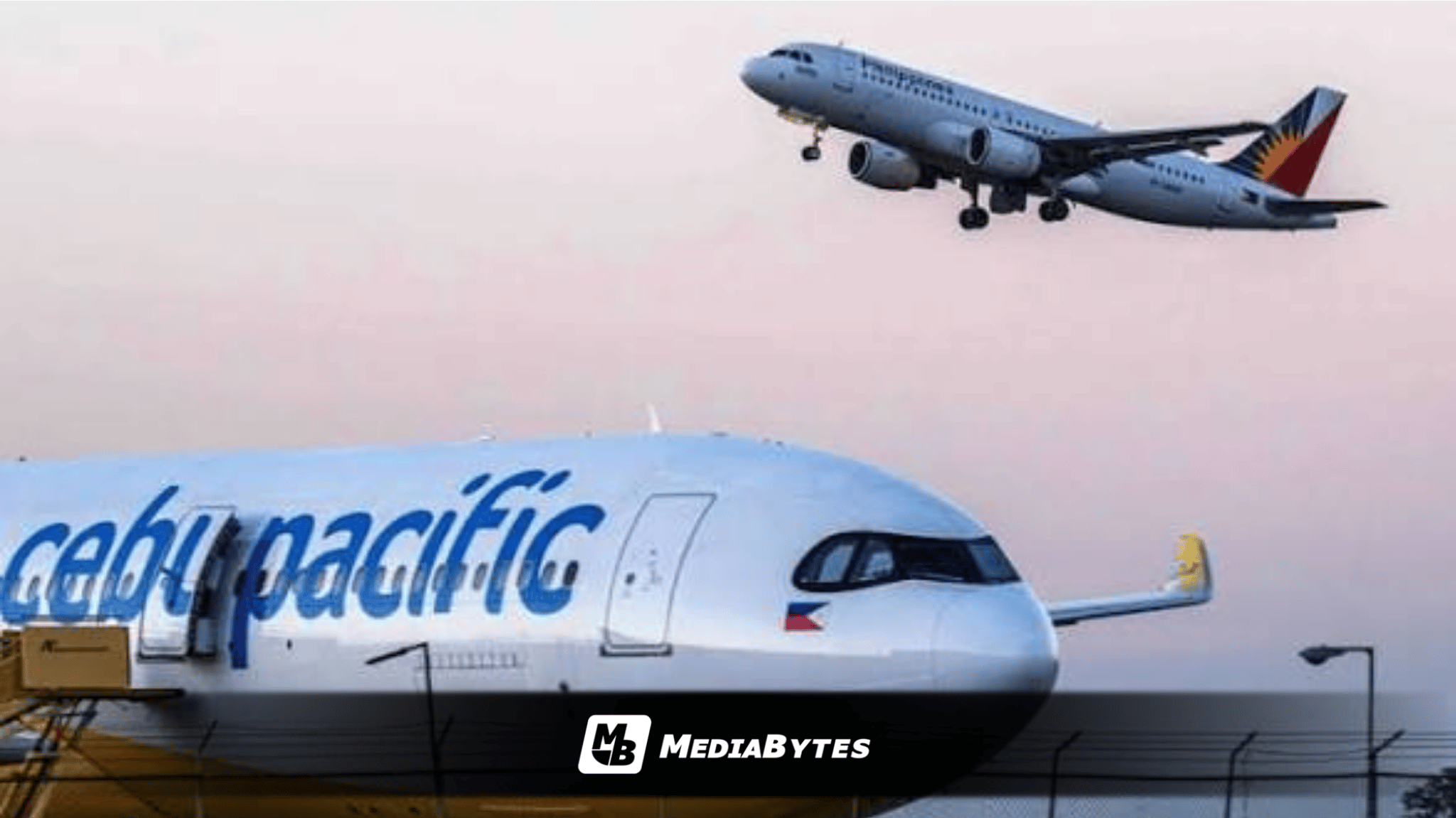
Budget carrier Cebu Pacific posted higher passenger traffic in August, supported largely by sustained domestic demand as the airline prepares for the peak year-end travel period.
In a regulatory filing, the airline said it carried 2.14 million passengers during the month, about 2% higher than the 2.1 million recorded in August last year.
Domestic passenger traffic increased nearly 4% to 1.62 million from 1.56 million a year earlier. The gain helped cushion a 4% decline in international passengers, which fell to 523,000.
Cebu Pacific also expanded its available seat capacity to 2.53 million from 2.51 million in August 2025. Its seat load factor improved to 84.8% from 83.7%, indicating a higher proportion of seats were filled.
“We saw encouraging travel demand in the month of August supported by resilient domestic traffic and improving performance across select international markets, including Korea and Bali,” said Cebu Pacific Chief Executive Officer Mike Szucs.
For the first eight months of the year, Cebu Pacific handled 18.86 million passengers, a 4% increase from the 18.13 million recorded during the same period last year.
Domestic passengers grew by more than 5% to 14.22 million, while international traffic edged up 0.5% to 4.64 million.
The airline raised its total seat capacity for the eight-month period by 8% to 23.02 million. Despite the increase, its overall load factor declined to 81.9% from 85.2% a year earlier.
Szucs said international travel demand has yet to fully recover to previous levels following capacity adjustments, although the market has shown signs of improvement despite fluctuations in jet fuel prices.
“As we approach the year-end travel season, we will remain disciplined in managing capacity, balancing growth opportunities with the evolving fuel cost environment,” he said.
Data from the International Air Transport Association showed jet fuel averaging $181.46 per barrel as of Friday, September 11, up 6% from $171.01 a week earlier.
Higher fuel costs could add pressure to Cebu Pacific’s financial performance after the airline reported a nearly ₱5.9-billion net loss in the first half, with increased fuel expenses cited as a major factor.
The airline is looking to capitalize on stronger holiday travel demand by expanding its network and adding capacity. It plans to introduce new services to destinations in China, Vietnam and Japan while bringing back some previously suspended routes.
Cebu Pacific is also continuing to expand its more fuel-efficient aircraft fleet. New engine option aircraft now account for 77% of its fleet, helping reduce fuel consumption per flight as the airline pursues further growth.