


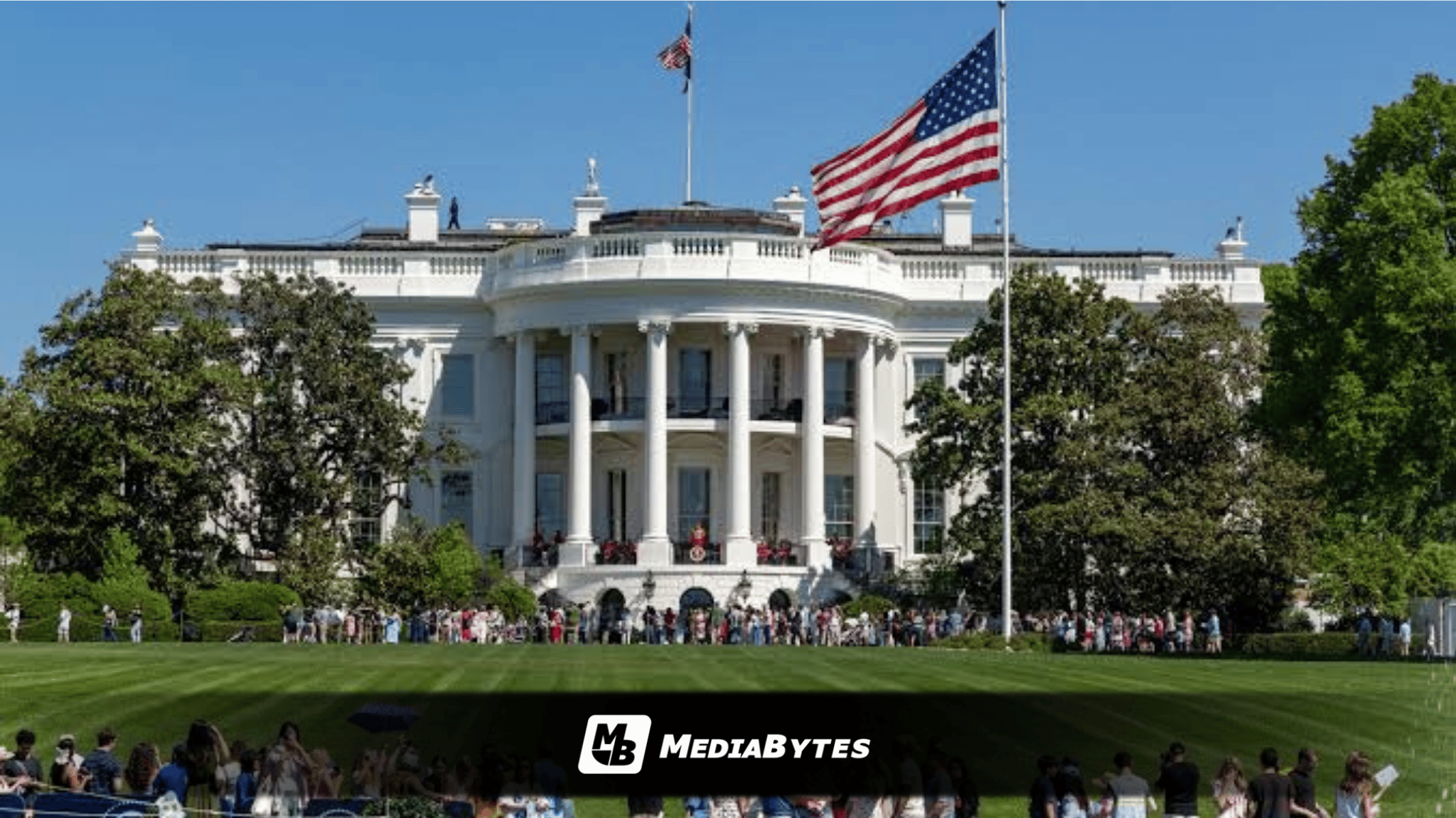
WASHINGTON, D.C. — Access to the White House grounds was blocked for journalists representing CNN, MS NOW, and Politico on Saturday, September 19, carrying out a directive announced a day earlier by President Donald Trump barring the three news organizations due to what he categorized as “fake news” coverage.
The exclusion has intensified an ongoing struggle between the Trump administration and major news outlets, sparking fresh constitutional debates regarding press freedom and government access under the First Amendment.
Secret Service officers deactivated and confiscated the press passes of CNN White House reporter Betsy Klein and MS NOW White House correspondent Akayla Gardner upon their arrival at the security gates. Politico later confirmed that White House reporter Cheyenne Haslett was similarly turned away and had her credentials seized.
In response, all three news agencies stated they were evaluating legal recourse to challenge the administration’s restrictions.
“We will vigorously defend our First Amendment rights,” stated Politico Editor-in-Chief Jonathan Greenberger in a memo distributed to staff.
CNN affirmed its commitment to independent coverage, stating it “will not be deflected from our duty to hold the government and other public bodies to account.”
MS NOW announced that it “intends to take any and all steps necessary to defend our First Amendment rights and the essential role of independent journalism in our democracy.”
The White House Correspondents’ Association urged the immediate restoration of credentials for all affected journalists. Association President Jacqui Heinrich warned of the dangerous precedent set by selectively revoking press credentials based on editorial content.
“The implications extend beyond these organizations: a standard used to exclude one news outlet because of its coverage could be applied to any outlet in the future,” Heinrich noted.
“The American people, through a free and independent press, must be able to scrutinize those elected to power, regardless of whether government officials view it favorably.”
Describing her experience at the White House gates, Gardner explained that she cleared two preliminary security perimeter gates before reaching an electronic checkpoint.
When her badge failed to scan, an officer informed her that her credentials had been deactivated and instructed her to hand over the pass, stating the directive “was above him.”
While an accompanying MS NOW news producer cleared security, a photojournalist with the network was denied entry after their badge was also turned off. Klein experienced a similar deactivation and saw her physical pass confiscated, leaving her with only the plastic badge holder before being advised to contact the White House press office.
The decision represents the latest administrative escalation targeting media access during Trump’s second term, which has included tightened press restrictions, regulatory pressure, and public broadsides against individual journalists.
Commenting on the constitutional implications, media law professor Amy Kristin Sanders noted that the action strays from established legal norms surrounding press protections.
“It is not an exaggeration to say his hostile actions toward news organizations and individual reporters have a chilling effect on freedom of expression around the world,” Sanders said.
CNN media analyst Brian Stelter underscored the wider stakes involved for newsrooms across the country.
“It’s so much bigger than CNN,” Stelter said. “This is a free speech test in America.”