


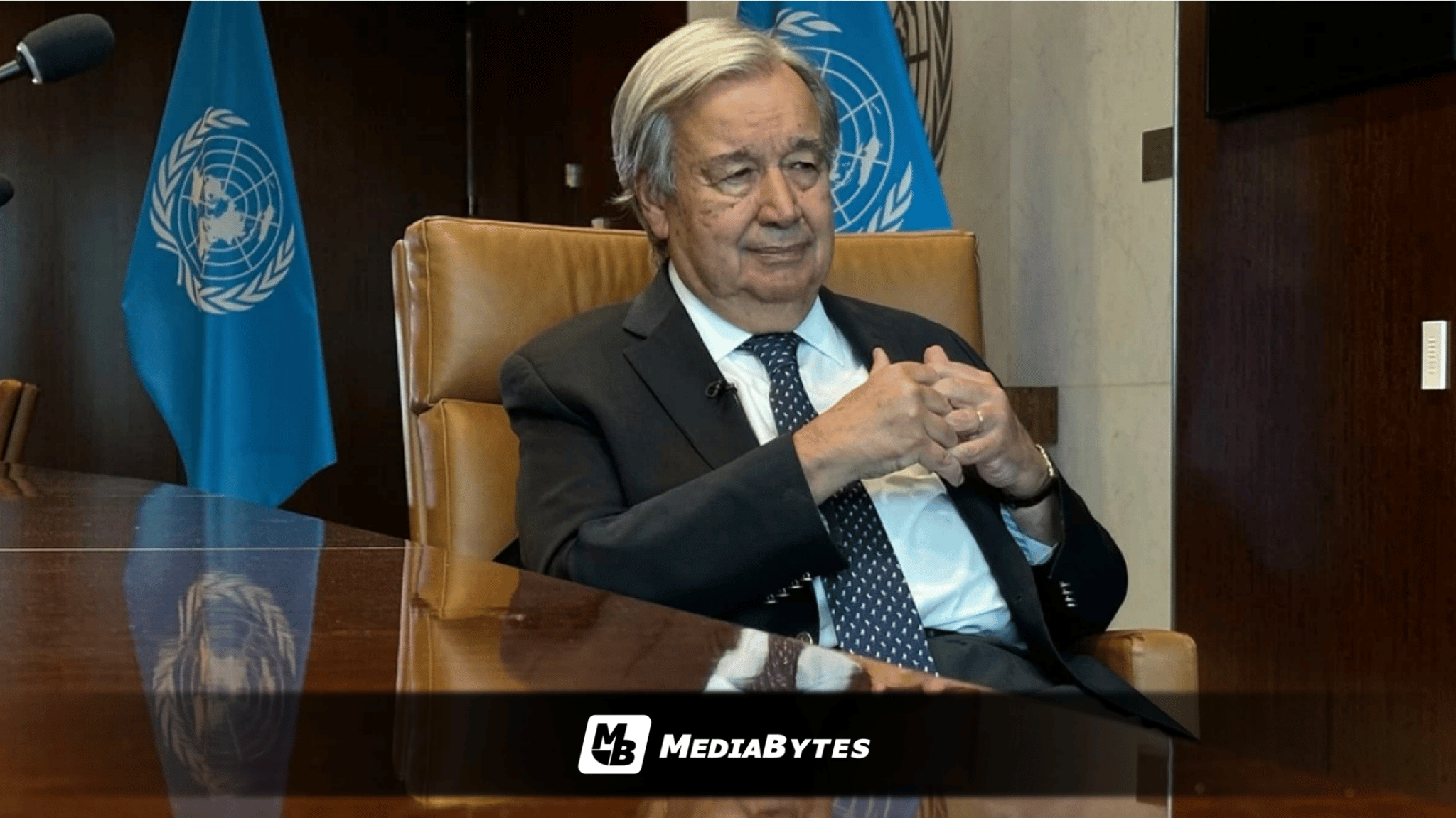
NEW YORK — Heads of state and diplomats from around the globe are assembling at the United Nations this week against a backdrop of mounting international friction, active military conflicts, economic instability, and emerging risks associated with artificial intelligence.
This year’s UN General Assembly high-level debate will focus heavily on ongoing crises in Gaza, Ukraine, Sudan, Iran, Congo, and Myanmar, as questions mount over whether multilateral diplomacy can still effectively negotiate an end to persistent fighting.
Beyond armed conflicts, participating delegations are set to address systemic challenges such as climate change, compounding wealth disparities, and trade bottlenecks that continue to drive inflation and weaken economic growth worldwide.
The summit also brings renewed attention to the structure of the United Nations itself. At 81 years old, the 193-member body still functions under a post-World War II framework that many nations argue fails to reflect modern geopolitical power dynamics.
Although member states have endorsed a broad reform package aimed at restructuring key institutions—particularly the Security Council, where the U.S., Russia, China, Britain, and France hold veto power—executing structural changes remains a complex process.
Behind closed doors, deliberations are also anticipated regarding who will succeed UN Secretary-General António Guterres when his second term concludes on December 31, with no clear frontrunner yet emerging.
Despite these ongoing challenges, the assembly remains the premier global venue for high-level engagement, drawing around 130 heads of state and government alongside dozens of senior officials.
Following opening remarks on the state of the world by Guterres on Tuesday, addresses are scheduled from U.S. President Donald Trump and French President Emmanuel Macron. Ukrainian President Volodymyr Zelenskyy and Iranian President Masoud Pezeshkian will speak on Wednesday, followed by Israeli Prime Minister Benjamin Netanyahu on Thursday.
Palestinian President Mahmoud Abbas will deliver his address via video link after the United States declined to grant him a visa, despite host-country agreements requiring the U.S. to permit member state representatives to attend UN functions.
Notable absences are also shaping this year’s summit. Chinese President Xi Jinping is skipping the assembly—instead sending China’s vice president ahead of a planned bilateral meeting with Trump in Washington—while Russian President Vladimir Putin and Indian Prime Minister Narendra Modi are also not attending.
Underscoring the importance of international diplomacy, French Ambassador to the UN Jérôme Bonnafont stated that it is “extremely critical” for world leaders to champion the institution as a vital forum during periods of intense geopolitical polarization.
“We believe in multilateralism,” Bonnafont said, “and we believe that the high-level week is the occasion for countries in the world to reaffirm that they prefer cooperation and dialogue to confrontation.”