


MANILA, Philippines — The administration of President Ferdinand Marcos Jr. is pushing forward with plans to construct five major rainwater impounding facilities across key locations in Metro Manila to bolster the capital’s defense against severe flooding, particularly during downpours and high tides.
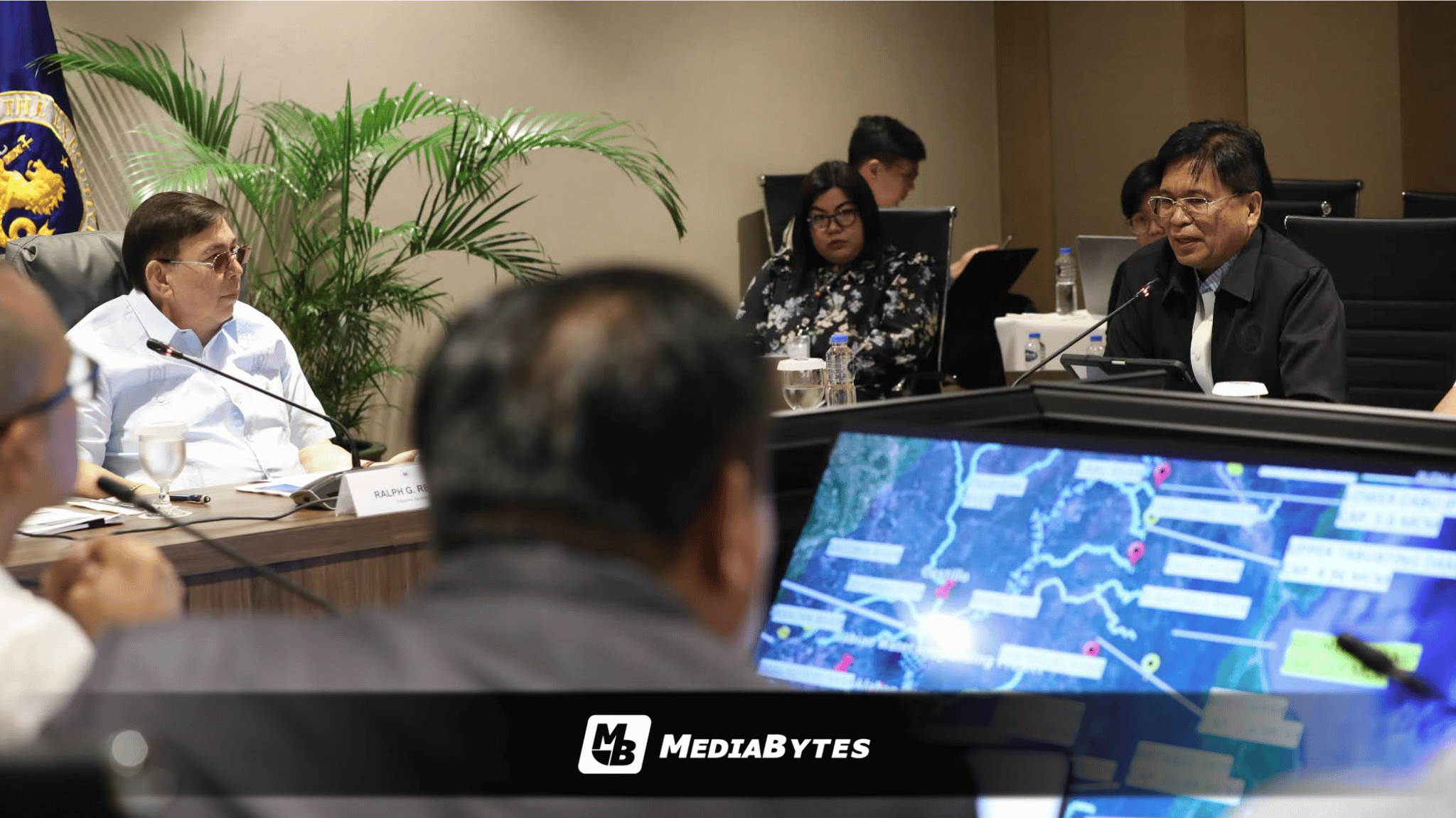
The plan was presented during a meeting led by Executive Secretary Ralph Recto alongside representatives from the Metropolitan Manila Development Authority (MMDA).
Under the proposal, the facilities will be constructed at Miriam College and Camp Aguinaldo in Quezon City; Remedios Circle and Rajah Sulayman Park in Malate, Manila; and the ASEAN Garden located within the Cultural Center of the Philippines (CCP) Complex in Pasay City.
“These impounding facilities will give Metro Manila additional capacity to catch and temporarily store large volumes of rainwater instead of allowing them to immediately overwhelm our drainage systems and flood our communities,” Recto said.
“When completed, these projects will help protect homes, schools, businesses and public infrastructure, especially during heavy rainfall and high tide,” he added.
Designed to catch and store up to 107,600 cubic meters of rainwater, the structures will serve as vital retention sites in high-density and flood-prone locations.
The largest facility at Camp Aguinaldo will cover a 172-hectare catchment zone with a 50,000-cubic-meter storage capacity, while the Miriam College site is planned for a 30,000-cubic-meter capacity across a 170-hectare area.
The Malate facilities at Remedios Circle and Rajah Sulayman Park are slated to hold 10,000 and 8,000 cubic meters, respectively, both servicing a 94-hectare catchment area. Meanwhile, the ASEAN Garden site in Pasay City is designed with a 9,600-cubic-meter capacity covering a 60-hectare area.
MMDA Chairman Atty. Romando “Don” Artes has submitted documentation for four of the five proposed sites to President Marcos via the Office of the Executive Secretary and the Department of Budget and Management.
The overall project carries an estimated cost of ₱4.05 billion, subject to formal government review, budgeting, and procurement procedures, with proposed funding sourced from the National Disaster Risk Reduction and Management–Disaster Rehabilitation and Reconstruction Assistance Program.
“Our objective is simple: manage the water before it becomes a flood, and protect as many communities as possible,” Recto noted.
The initiative forms part of the national government’s long-term strategy to address flood risks before rainwater reaches residential communities, backed by a recently completed MMDA feasibility study assessing 39 potential catchments and nature-based mitigation sites throughout Metro Manila.