


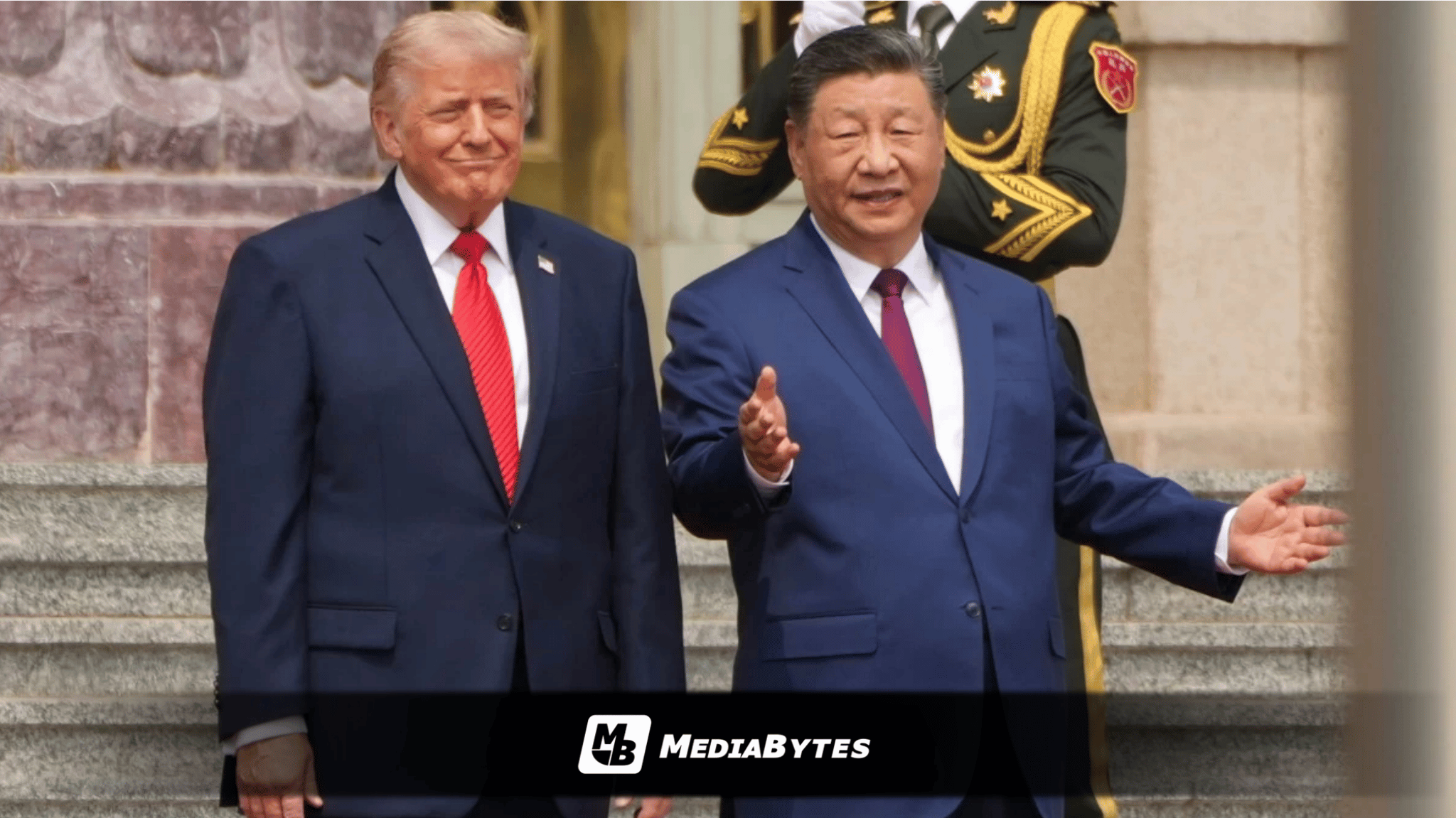
WASHINGTON — Progress remains mixed on trade commitments established by the United States and China during their May summit in Beijing.
As U.S. President Donald Trump and Chinese President Xi Jinping prepare for their second face-to-face bilateral meeting of the year in Washington, questions persist over whether the talks can accelerate movement on key exports, aviation deals, and artificial intelligence frameworks.
Analysts anticipate modest advances during Xi’s visit starting Wednesday, though major policy breakthroughs remain unlikely.
“Instead, the main deliverable really is that the trip is happening, and the symbolism and the optics of that,” said Sara Schuman, former senior U.S. negotiator for China trade and adjunct fellow at the Center for a New American Security.
The two nations previously established a “constructive strategic stability” framework in May to prevent bilateral disputes from escalating and identify potential areas of cooperation. Attention has centered on the potential launch of a joint Board of Trade and reciprocal tariff cuts on $30 billion worth of non-sensitive goods on both sides.
While China’s Commerce Ministry expressed hope for swift implementation, experts note ongoing disagreements regarding the specific product categories involved.
Proposed tariff reductions are expected to focus on low-end manufactured goods such as toys and decorations from China, alongside U.S. agricultural exports.
“I think for the president, he wants to be able to demonstrate, just before the midterms, that this approach is working and that it benefits voters,” Schuman added, referring to upcoming U.S. congressional elections.
Purchases of American agricultural products remain uncertain. Although May agreements targeted $30 billion in annual Chinese farm purchases—including $17 billion in new commitments alongside 25 million metric tons of soybeans—U.S.
Department of Agriculture projections suggest actual imports may total $21.5 billion over the upcoming 12-month period. Negotiators continue working on technical clearance issues at Chinese ports for U.S. beef and poultry, according to Joe Schuele of the U.S. Meat Export Federation.
“Hopefully it will get worked out soon,” Schuele said.
Meanwhile, a pledged order of 200 commercial aircraft from Boeing has yet to be finalized. Boeing CEO Kelly Ortberg indicated that Chinese airlines would formalize the orders on their own timelines, while analysts highlight Chinese concerns over continued access to aircraft spare parts.