


QUEZON CITY, Philippines — The pending Supreme Court petitions contesting the revised voting threshold for Vice President Sara Duterte’s impeachment trial will put the country’s constitutional system of public accountability to a test under uncharted conditions, according to House prosecution panel spokesperson and Lanao del Sur 1st District Representative Zia Alonto Adiong.
Speaking at a media forum on Saturday, September 26, Adiong explained that the legal dispute presents a novel legal dilemma caused by the inability of several sitting senators to participate in the ongoing proceedings—a scenario that creators of the 1987 Constitution may not have anticipated.
“This is the first time, actually, that an impeachment trial happens when there are few sitting senators who are legally incapable of attending an impeachment trial,” Adiong said.
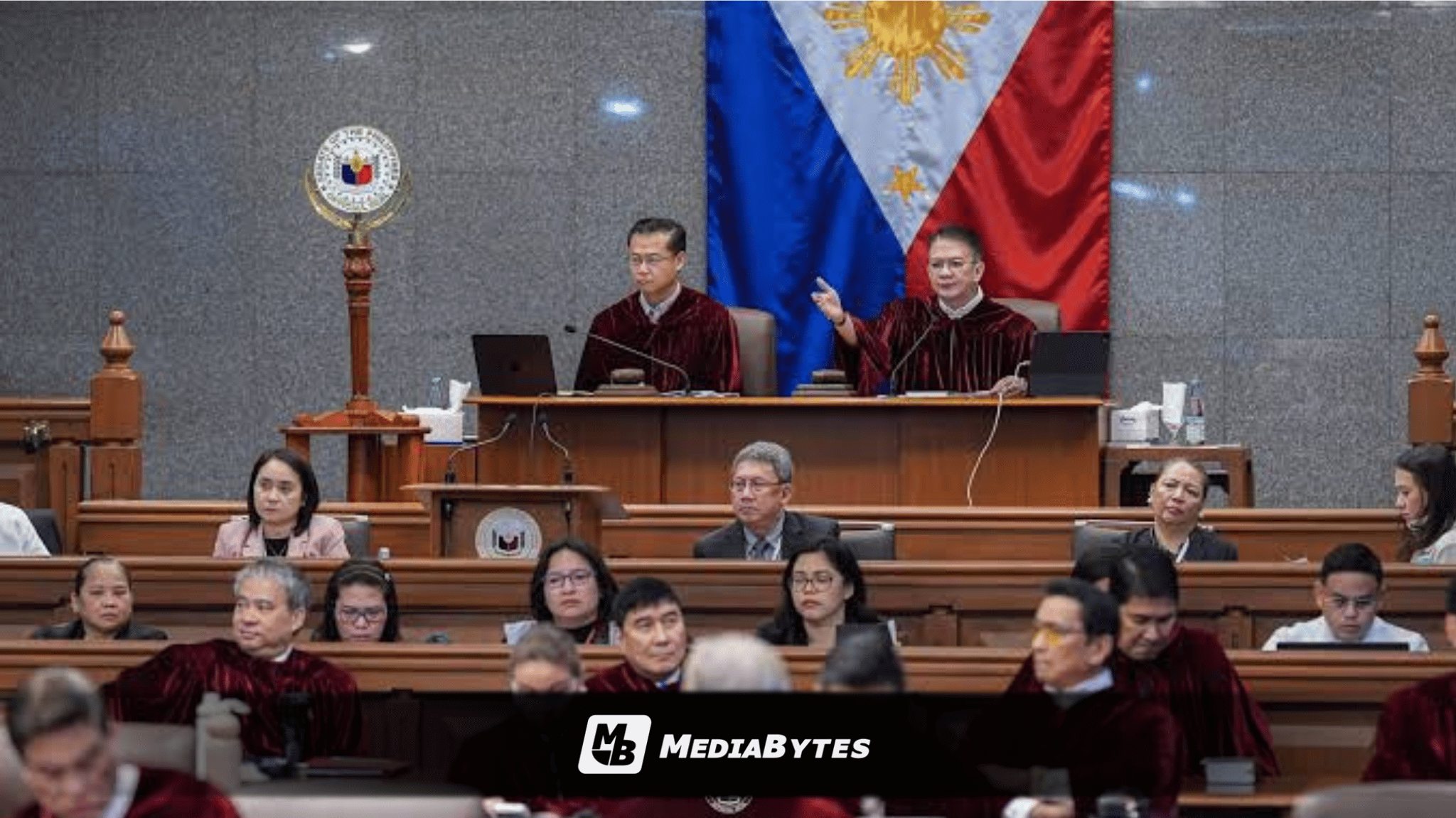
The controversy follows a 13-1 vote by the Senate impeachment court—with six senator-judges abstaining from participation—to discard the traditional requirement of a fixed 16-vote majority for conviction. Under the amended rule, the two-thirds supermajority mandated by the Constitution will instead be calculated based on the number of senators who remain legally and factually capable of participating at the time the verdict is rendered.
Opponents of the adjustment have filed petitions before the Supreme Court seeking to block the implementation of the new formula. The petitioners argue that the calculation for conviction must continue to be derived from the complete 24-member roster of the Senate.
The high court’s eventual ruling on the matter is expected to define how the constitutional standards for impeaching high-ranking public officials apply when vacancies or legal disabilities prevent the entire chamber from taking part in trial proceedings.