


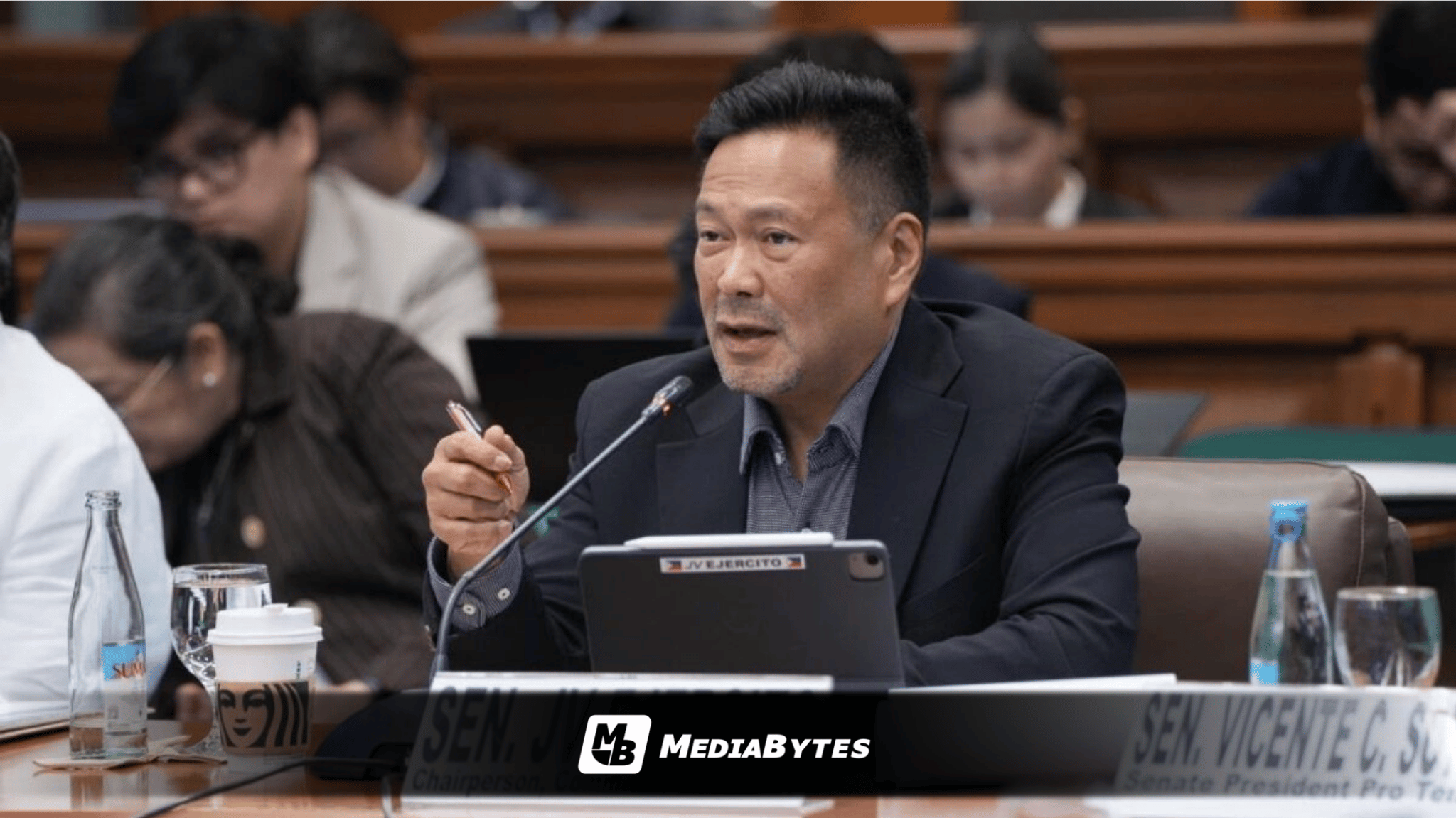
PASAY CITY, Philippines — Senate Deputy Majority Leader JV Ejercito is pushing to double the monthly social pension for indigent senior citizens from ₱1,000 to ₱2,000 to help them cope with the rising cost of living.
Under Senate Bill No. 2511, Ejercito proposes amendments to Republic Act No. 11916 to increase the government financial assistance, citing the escalating prices of food, maintenance medicines, healthcare, utilities, and transportation.
“With the continuing rise in the prices of food, medicines, utilities, transportation, and health care, ₱1,000 a month is simply no longer sufficient to significantly support the daily needs of an elderly Filipino,” Ejercito said.
“For many retirees, a modest monthly pension is quickly consumed by maintenance medicines, medical consultations, food, rent, electricity, transportation, and other necessities,” he said.
“The small statutory pension they receive every month is far from financial security we envisioned for our seniors,” he added.
Pointing to the Philippine Statistics Authority’s 2024 Census of Population—which shows that about 10% of the population are now senior citizens—Ejercito stressed the urgency of adapting social protection programs for an aging society.
“Our senior citizens have spent the productive part of their lives working, raising families, building communities, and contributing to our nation. Many of them cared for us when we were young and still finding our way through life. In their later years, it is only right that society, in turn, ensures that they are able to live with dignity and security,” he said.
The proposed legislation expands the criteria for indigent senior citizens. Aside from those without any income or existing pension, the bill extends coverage to elderly individuals receiving financial assistance or pensions of ₱10,000 or less per month, subject to evaluation by the Department of Social Welfare and Development (DSWD).
Additionally, SB 2511 removes the prerequisite that an applicant must be “frail, sickly or with disability” to be eligible for the monthly stipend.
The bill also mandates the DSWD, in coordination with the Department of Budget and Management (DBM) and relevant stakeholders, to conduct a review of the pension amount every two years. Adjustments would be determined based on economic indicators such as the consumer price index, poverty threshold, and the overall cost of living.
Ejercito highlighted that the stipend should be recognized as a fundamental right rather than a hand-out.
“Social pension is not charity. Ultimately, this measure is about how we value those who came before us. Our senior citizens should be able to spend the remaining years of their lives with dignity, not in constant worry about their next meal, their medicines, or their most basic needs,” Ejercito said.