


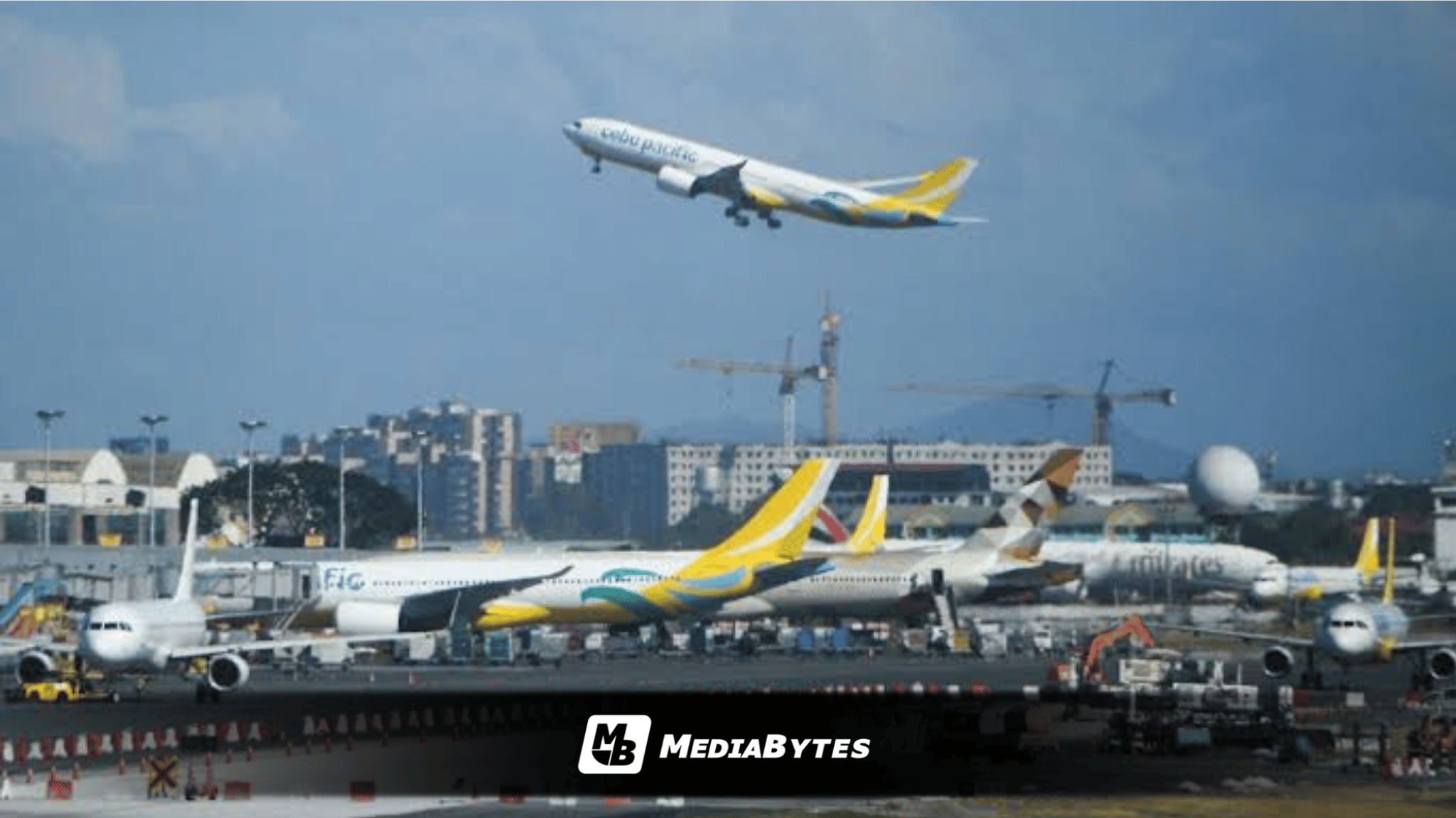
MANILA — Travelers looking forward to arranging their holiday getaways can anticipate some financial relief later this month as the government trims airline fuel surcharges.
The Civil Aeronautics Board (CAB) announced an advisory on Monday, October 12, lowering the passenger fuel surcharge to Level 16 for the upcoming booking window of October 16 to 31, stepping down from Level 17.
Under the adjusted Level 16 framework, participating carriers can levy additional charges ranging from ₱525 to ₱1,535 for domestic routes. Meanwhile, international flights will carry surcharges spanning between ₱1,733.76 and ₱12,891.29.
Airlines intending to collect these adjustments are required to submit their formal petitions prior to Friday, October 16. Regulators have fixed the foreign currency conversion rate at ₱62.65 per US dollar. These optional fees assist operators in mitigating financial impacts caused by fluctuations in global jet fuel expenses, which recent International Air Transport Association (IATA) data showed ticked up by 1.5% month-on-month to $187.34 per barrel.
The downward adjustment is anticipated to stimulate the tourism industry by easing travel costs as families plan holiday trips. Local carriers are expected to expand flight frequencies and reactivate suspended routes to accommodate heightened seasonal demand.
Tourism Secretary Dita Angara-Mathay noted last week that the holiday season traditionally triggers an influx of foreign visitors eager to explore key domestic destinations. The Department of Tourism (DOT) remains on course to hit its target of approximately 6.4 million international arrivals this year, matching last year’s figures.
Even so, authorities noted it remains premature to measure the exact effect of the reduced surcharge on year-end passenger volume, especially following a dip in traffic at the Ninoy Aquino International Airport (NAIA) earlier in the year due to higher historical rates.
Total passenger traffic at the country’s main gateway slid to 34.98 million during the first eight months of 2026, driven largely by a three percent contraction in domestic travelers down to 18.15 million, while international volume ticked up by two percent to 16.83 million.