


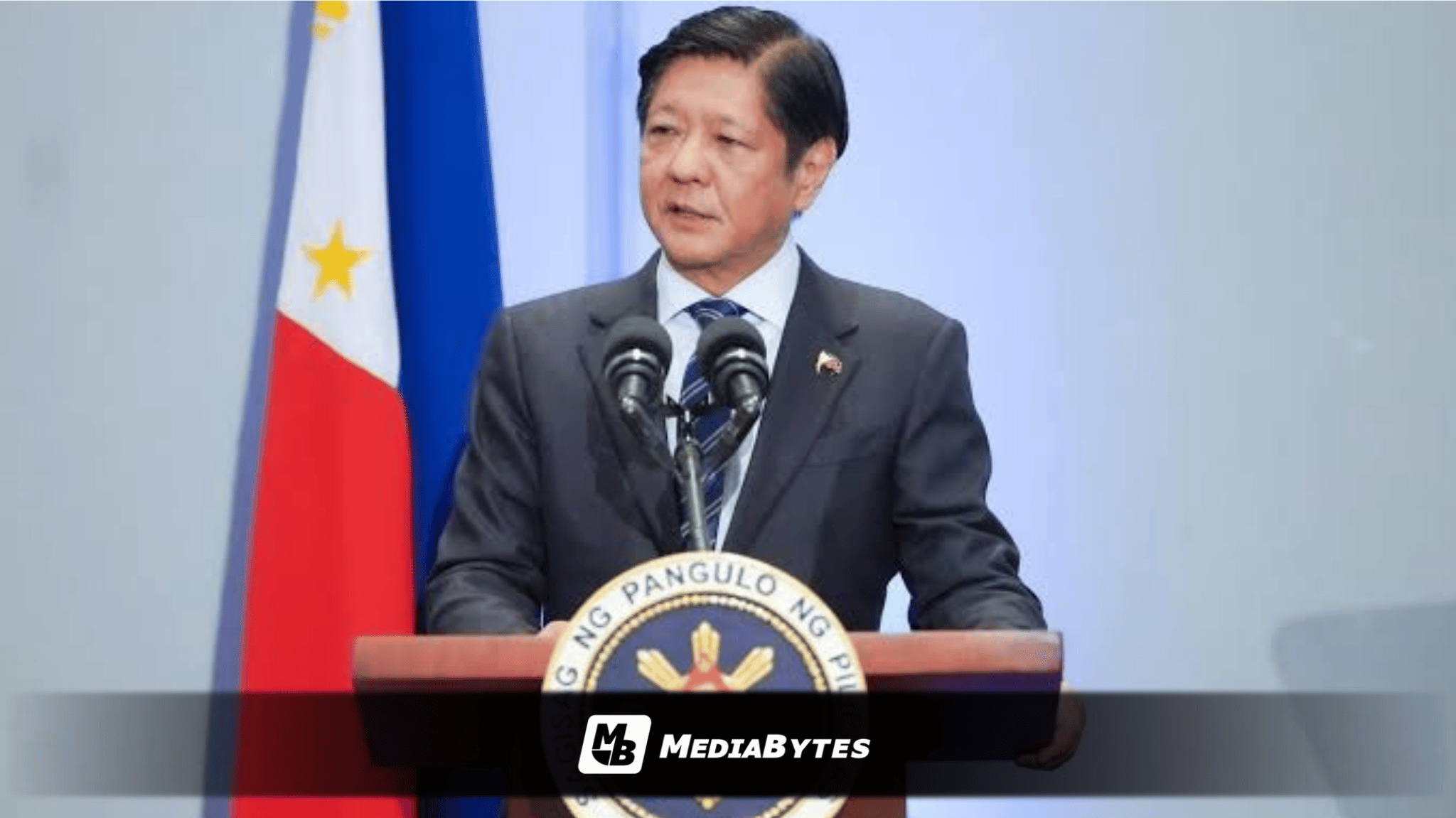
MANILA — Malacañang emphasized that President Ferdinand Marcos Jr. is keen on preventing further deterioration in Philippine-China relations, maintaining that disagreements with Beijing must be handled through diplomacy while strictly safeguarding the nation’s territory and maritime rights.
The administration’s stance was underscored by Communications Undersecretary and Palace Press Officer Claire Castro amid escalating tensions over maritime disputes.
Speaking during a media briefing in Manila on Friday, October 16, Castro noted that the President values robust bilateral ties, especially in areas like commerce and investments, despite ongoing maritime conflicts in the West Philippine Sea.
“Hindi nais makita ng ating pamahalaan, ng Pangulo, na darating yung punto na hindi magiging maganda yung relasyon ng China at ng Pilipinas,” Castro stated.
“Kaya ang utos ng Pangulo, ang pakikipag-usap sa pamunuan ng China ay in a diplomatic manner dahil hindi nais ng Pangulo na masira ang relasyon ng dalawang bansa,” she added.
Despite prioritizing diplomatic channels, the Palace official made it clear that the government will never compromise on national sovereignty. She pointed out that pursuing friendly economic relations does not mean backing down from sovereign rights.
“Iba po kasi ang relasyon natin sa China pagdating sa trade and investment, pero iba rin po ang usapin patungkol sa pagprotekta natin sa ating teritoryo at sa ating interes sa West Philippine Sea,” Castro explained.
The Palace’s pronouncements came on the heels of a word war sparked by the Chinese Embassy in Manila, which criticized the Department of Foreign Affairs (DFA) over divergent interpretations of Chinese Ambassador Jing Quan’s remarks describing bilateral ties as being at an “extremely sensitive stage.”
During the second Diliman Dialogue on October 15, Ambassador Jing urged a segmented approach to bilateral affairs to avoid a retaliatory cycle that could further strain relations.
In a separate interview, the envoy dismissed Defense Secretary Gilberto “Gibo” Teodoro Jr.’s label of China as a regional “troublemaker,” asserting that Beijing avoids using force despite its military strength—a statement local officials condemned as a thinly veiled threat.
In response, the Chinese Embassy accused the DFA of selective quotation and overbearing interpretation, insisting that diplomacy should bridge gaps rather than aggravate conflicts.
Meanwhile, these diplomatic developments unfold alongside domestic political friction, highlighted by recent allegations raised during Vice President Sara Duterte’s impeachment proceedings concerning financial remittances originating from China and Hong Kong and channeled to businesses tied to her husband, Atty. Manases “Mans” Carpio.