


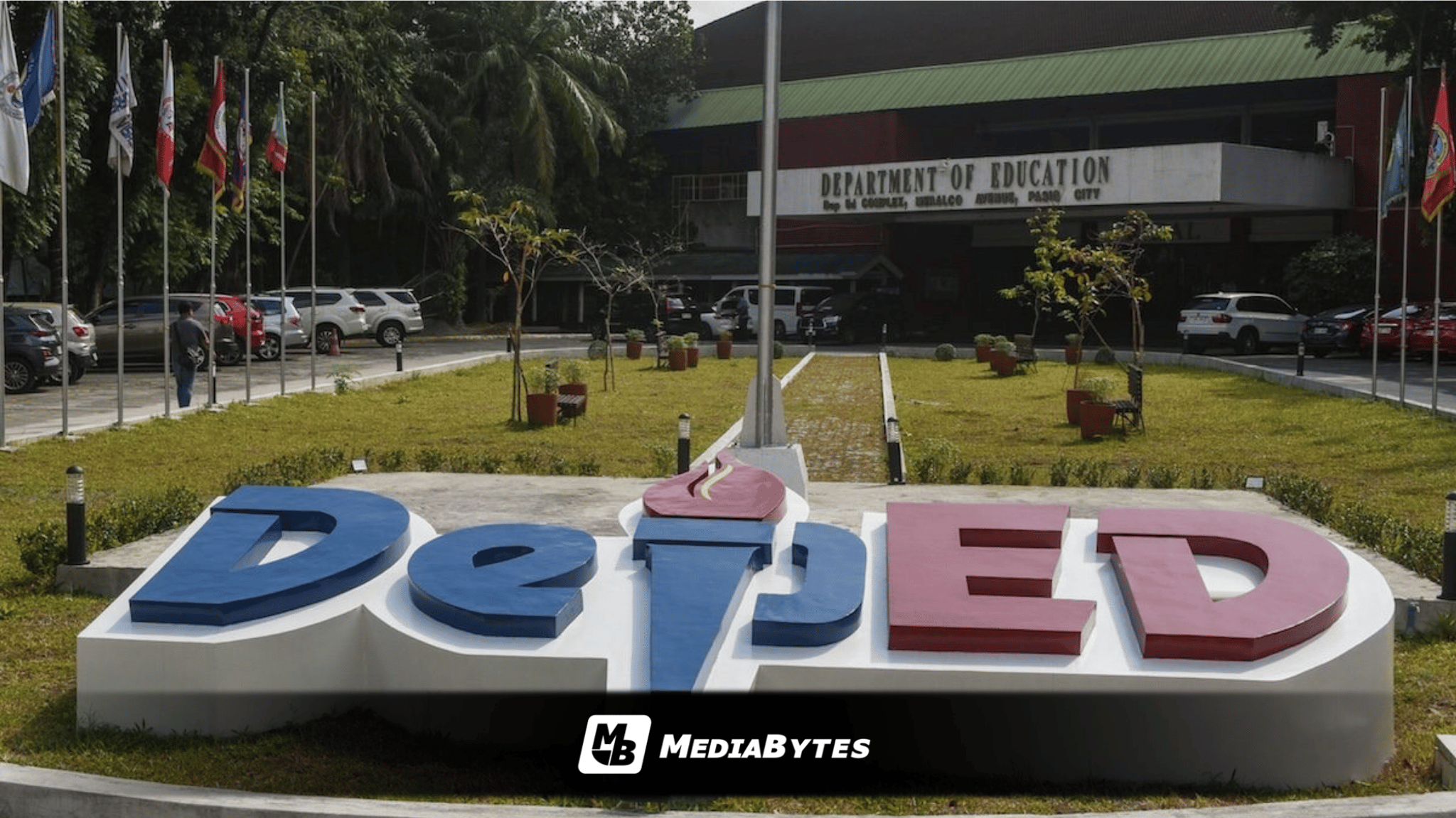
MANILA — Education Secretary Sonny Angara announced that the Department of Education (DepEd) will issue comprehensive guidelines requiring schools nationwide to prepare for potential severe disruptions during the School Year 2026–2027 due to an intensifying El Niño phenomenon.
The directive comes in response to warnings from the Philippine Atmospheric, Geophysical and Astronomical Services Administration (PAGASA) regarding a potential very strong El Niño event expected to peak before the end of 2026 and persist through the first half of 2027.
”Under the guidance of President Marcos, we are tightening our proactive, protective and anticipatory responses to ensure the adverse effect of El Niño is mitigated. We must prepare early to protect learners and keep education services going despite climate-related disruptions,” Angara said in a statement on Monday, October 19.
Under the upcoming guidelines, schools and Community Learning Centers (CLCs) will utilize a four-level “4H” response framework—consisting of “Hayo,” “Hinay,” “Hinga,” and “Hinto”—to adapt instructional methods to local climate conditions in alignment with Department Order No. 014, s. 2026.
- Hayo: Normal face-to-face classes proceed with built-in safeguards, including mandatory water breaks, rescheduled outdoor activities, and flexible or P.E. uniform dress codes.
- Hinay: Triggered during heat stress conditions, allowing schools to implement modified schedules and structured hybrid learning.
- Hinga: Enacted during heightened risks of extreme heat or water scarcity, substantially scaling back academic demands in favor of lighter literacy modules, DepEd TV resources, and supplementary packets.
- Hinto: Academic activities are completely suspended when heat indices reach hazardous levels, shifting focus entirely to safety checks, communications, and psychosocial support.
To ensure local realities are addressed, Angara emphasized that field officials will retain discretionary power over these protocols.
”We are giving our school heads and division superintendents the practical flexibility to exercise sound judgment based on actual ground conditions, classroom ventilation, and water availability. We trust our field managers to make the right call for their communities,” he stated.
Furthermore, the new directive instructs institutions to conduct thorough infrastructure assessments covering water reliability, classroom ventilation, electrical resilience, and fire safety. To sustain the School-Based Feeding Program amid dry spells, schools are directed to design contingency menus, coordinate with local government units and agricultural cooperatives, and stockpile non-perishable goods.
Institutions are also mandated to monitor indoor temperatures with calibrated instruments, patch leaks promptly, arrange utility rationing schedules, and stockpile printed Self-Learning Modules for potential alternative delivery modes.