


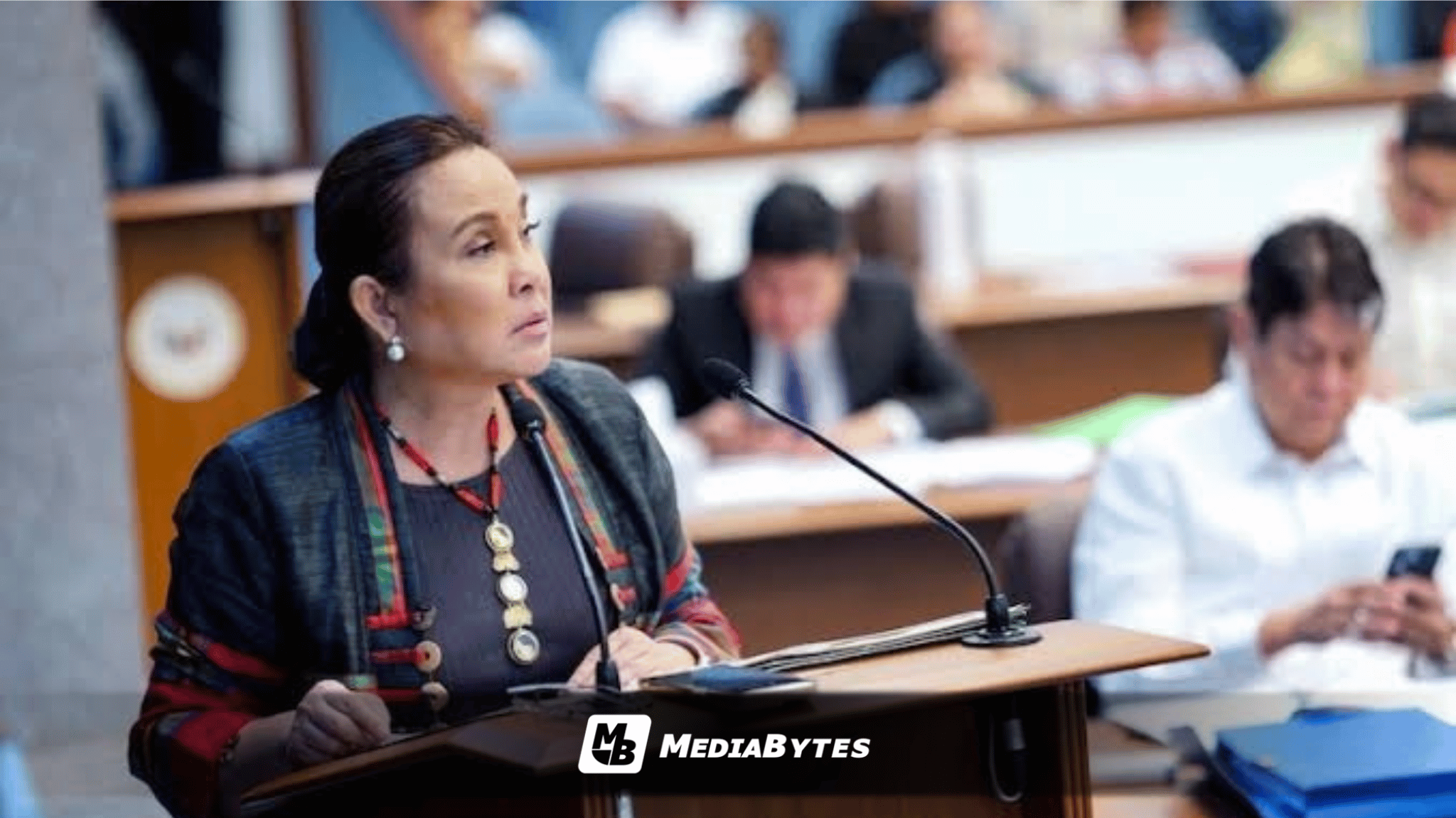
Senator Loren Legarda has called on the Philippine government to mandate that all public agencies measure their carbon footprints and actively reduce emissions as the country develops its carbon market policy framework under Executive Order No. 127.
Speaking on Wednesday, November 4, Legarda stressed that the government must hold itself to the same high standards it expects from the private sector as the nation transitions toward a low-carbon economy.
“We are asking businesses to prepare for a more accountable, low-carbon economy. Government must be prepared to meet that same standard. Do our agencies know how much they emit from their buildings, vehicles, and daily operations? Are they measuring it, and what are they doing to bring it down?” she pointed out.
She noted that agency-level accounting should lead to concrete actions, such as transparent progress reporting, cleaner operations, and more efficient electricity use. Highlighting her own office’s efforts in carbon accounting, the senator questioned whether similar practices are being consistently implemented across government bureaus.
Pushing for Legislative Backing and Budgets
While EO No. 127 establishes market rules and institutions, it does not impose a blanket emissions cap or carbon tax on businesses. To bridge this gap, Legarda previously filed Senate Bill No. 166, also known as the Low Carbon Economy Act.
The proposed bill seeks to set up a domestic emissions trading system where covered sectors face emission limits and trade allowances under a strict cap, driving economic incentives for cleaner tech adoption.
It also proposes a Climate Reinvestment Fund alongside safeguards for vulnerable consumers and workers.
“There must be clear incentives to encourage businesses to invest in cleaner technologies. There needs to be a tangible benefit to their operations—cost savings and the opportunity to recoup their investment. Relying solely on concern for the environment is not enough,” Legarda said.
Furthermore, the lawmaker emphasized that the country’s climate commitments must be properly backed by the national budget, adequate funding, clear institutional responsibilities, and realistic timelines.
“These commitments must also be reflected in our national budget. Are we providing enough funding to implement these policies? Do we have qualified people in the agencies responsible, and are their responsibilities clearly defined? We must also set realistic timelines and make sure that these are followed,” she reiterated.
“I hope that as we develop our carbon market framework, we give equal attention to the resources, people, and institutional capacity needed to make it work. Otherwise, we risk adopting another policy that looks promising on paper but struggles in implementation,” Legarda added.