


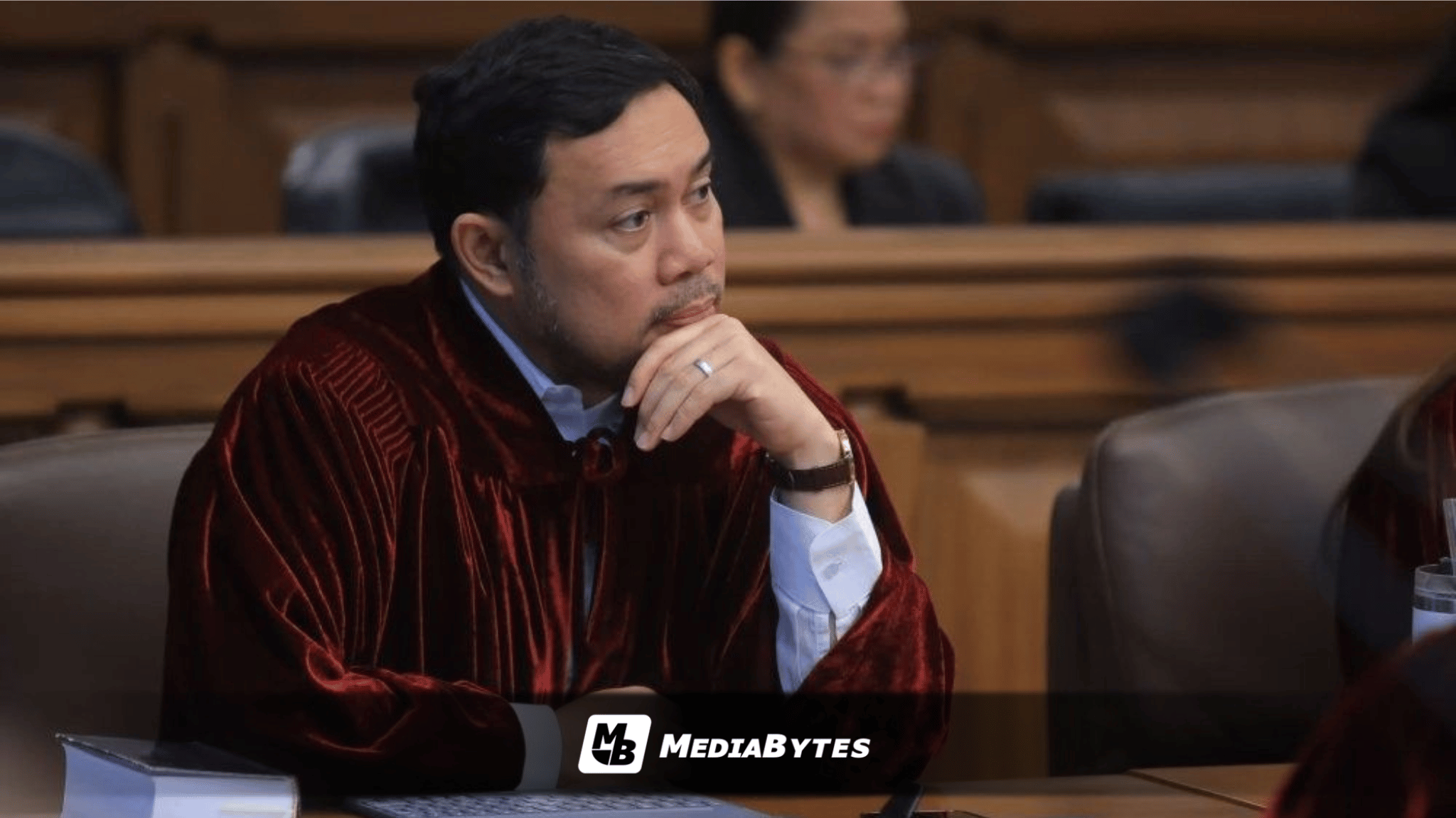
Senator Mark Villar has called on national government agencies and local government units (LGUs) to ramp up disaster preparations ahead of a looming “Super” El Niño.
Villar warned that prolonged droughts could severely threaten national food supplies, drive up commodity prices, and worsen hardships for vulnerable households.
The warning follows recent figures from the Office of Civil Defense showing that agricultural losses from El Niño reached ₱6.8 billion as of October 2026, with 109 areas placing themselves under a state of calamity.
Additionally, the Department of Agriculture (DA) projects a 700,000-metric-ton drop in rice production, accounting for 3.5 percent of the annual target.
“Food security is not only about producing enough food. It is also about ensuring that food reaches every Filipino household at reasonable prices, especially during times of crisis,” Villar stated.
Proposed Mitigating Strategies
To offset potential supply shocks, Villar outlined several preventive measures to safeguard the country’s agricultural sector and distribution channels:
- Supply Chain Improvements: Upgrading food storage facilities, refining inventory management, and streamlining transportation and distribution networks.
- Agricultural Support: Providing targeted assistance to local farmers and food producers to help sustain their operations through severe weather conditions.
- Enhanced Monitoring: Boosting data-sharing and inter-agency coordination between national bodies and LGUs to track climate projections, market prices, and food inventories while delivering timely help to at-risk communities.
- Urban Agriculture: Promoting Senate Bill No. 422—Villar’s proposed Integrated Urban Agriculture Act—which encourages rooftop gardens and vertical farming to supplement conventional food supplies.
With El Niño’s impacts threatening to stretch into 2027, the lawmaker emphasized that food security must remain a core national priority.
“Food security must remain a national priority. We need to anticipate possible shortages, strengthen our supply chains, and ensure that no Filipino family is left without access to sufficient and affordable food,” Villar said.