


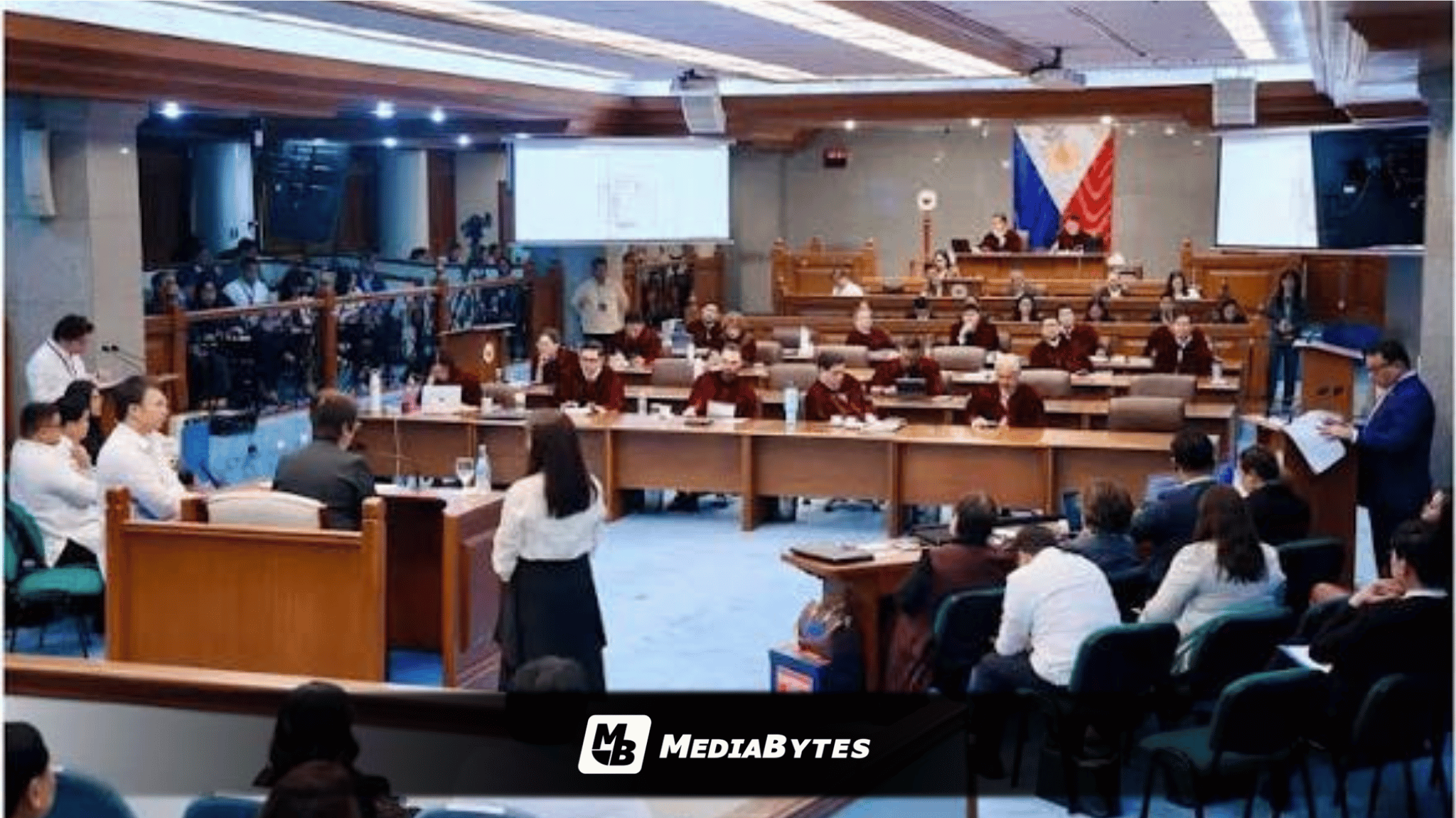
Lanao del Sur 1st District Representative Zia Alonto Adiong said the Senate’s decision on the number of votes required to convict Vice President Sara Duterte could establish a precedent for future impeachment cases.
Adiong, one of the spokespersons of the House prosecution panel, said Thursday, September 10, that the outcome of the issue could help define how similar proceedings will be handled in the future.
“Ito naman pong ginagawa natin sa impeachment trial ay para naman po ito sa ating kinabukasan. Yung magkakaroon po ng at least a standard, no, standard kung paano po natin dapat piliin ang ating mga namumuno sa atin,” Adiong said in an online interview.
The 1987 Constitution provides that an impeached official must receive the votes of at least two-thirds of all members of the Senate to be convicted.
The ongoing debate centers on how the constitutional threshold should be translated into an actual number of votes in Duterte’s trial, particularly if some senator-judges are unable to participate for various reasons.
Adiong clarified that the prosecution does not view the issue as an attempt to change the constitutional requirement.
“Actually, it’s not revising the thresholds kasi fixed na talaga po yung two-thirds, but how to translate that into an actual vote that would depend and we rely solely on the discretion and decision of the impeachment court,” Adiong noted.
With all 24 Senate seats counted, two-thirds would amount to 16 votes for conviction. However, questions have been raised over whether only 20 senators are currently able to fully perform their duties as members of the impeachment court.
Adiong said the House prosecution team is not preoccupied with calculating the votes, stressing that its responsibility is to present evidence for the senator-judges to independently evaluate.
He noted that the Senate’s eventual ruling on the voting threshold could have consequences beyond Duterte’s case, potentially providing guidance to future impeachment courts on matters involving attendance, voting requirements, and the constitutional responsibilities of senator-judges.
“Ang inaasahan po natin kung ano po yung magiging desisyon ng ating korte ay alinsunod po sa kanilang hindi lang ho sa kanilang mandato, pero alinsunod din po sa kanilang objective, which is really to provide and secure, provide a clear definition on how do we hold these accountable officers to account in relation to really putting the public interest first and foremost,” he explained.