


MANILA, Philippines — Davao City Mayor Sebastian “Baste” Duterte on Tuesday acknowledged having direct business ties with Jaime T. Cruz, the majority shareholder of GenCorp, a firm declared as a business interest by his sister, Vice President Sara Duterte.
Questioned by prosecution panel member and former Supreme Court spokesperson Atty. Theodore Te regarding his relationship with Cruz, the mayor affirmed that the two were acquainted.
When Te asked if their connection was rooted in being business partners, Duterte replied:
”Yes, sir.”
Duterte further explained that Cruz was a long-standing local entrepreneur and a personal associate of his father, former President Rodrigo Duterte.
”Maybe not entirely in the family but he’s a friend of my father, he’s a known businessman in Davao,” he said.
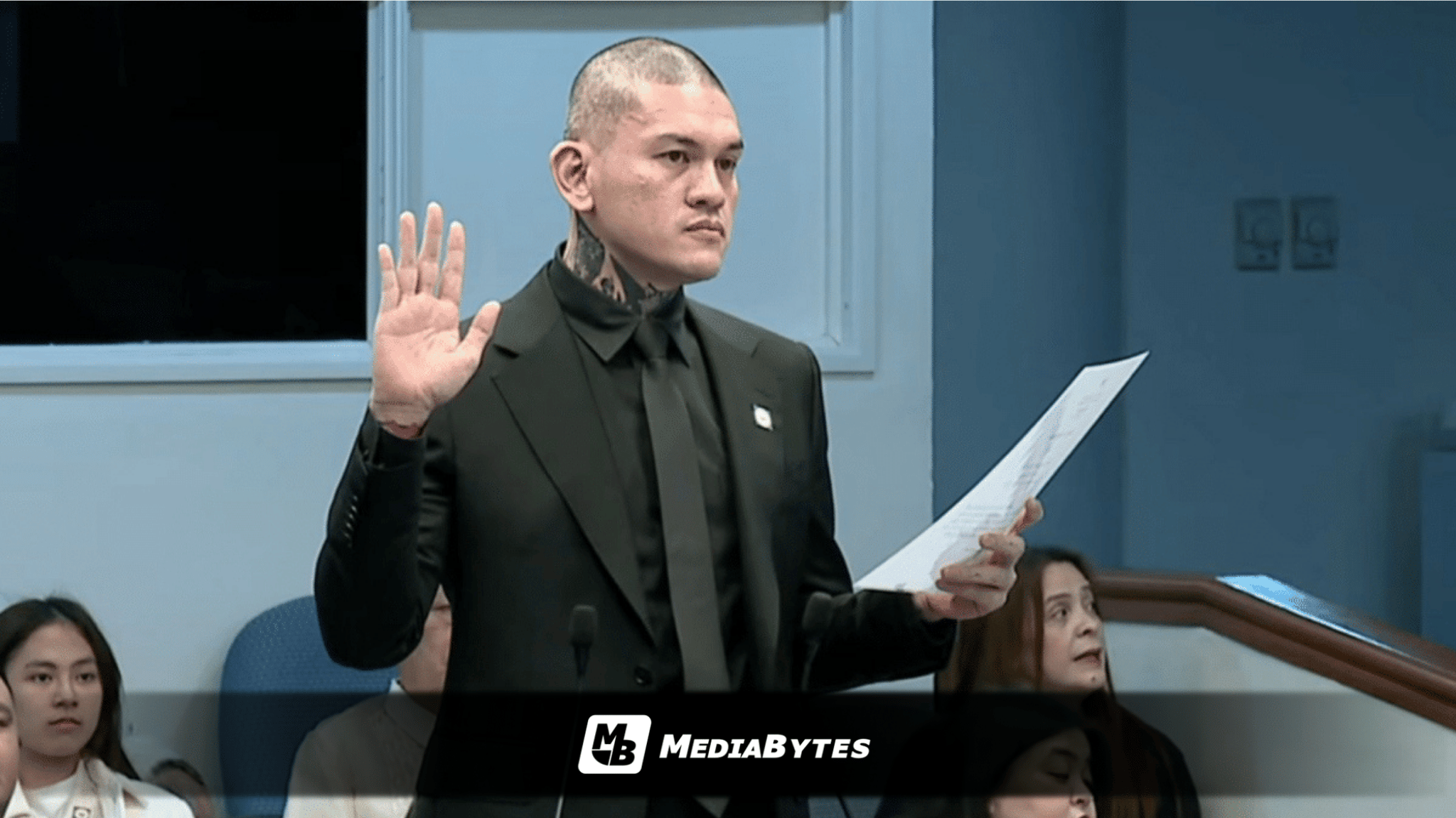
Taking the witness stand as a hostile witness—a status previously declared by the Senate impeachment court—the mayor was presented with a 2026 corporate filing for a separate business entity. Duterte verified his standing as a shareholder in the company, alongside Cruz and his brother, Davao City 1st District Representative Paolo “Pulong” Duterte.
When Te noted that Cruz was identified as the primary stockholder of GenCorp, Duterte stated he was unaware of the detail and admitted he had not examined GenCorp’s corporate filings.
Upon further questioning regarding whether former President Duterte had designated Cruz as a special envoy to China, the mayor offered a tentative response.
”Probably, yes. I don’t know.”
Duterte added that he had no knowledge of whether Cruz was ever considered for the top post at the Philippine Health Insurance Corporation.
The line of questioning aims to establish connections surrounding GenCorp, which has secured several procurement deals with the Davao City government. Vice President Sara Duterte included the company in her 2024 and 2025 Statements of Assets, Liabilities and Net Worth (SALN).
Mayor Duterte previously disclosed that Davao City had granted 19 contracts to GenCorp valued at ₱33.26 million, consisting of four public biddings and 15 small-value procurements.