


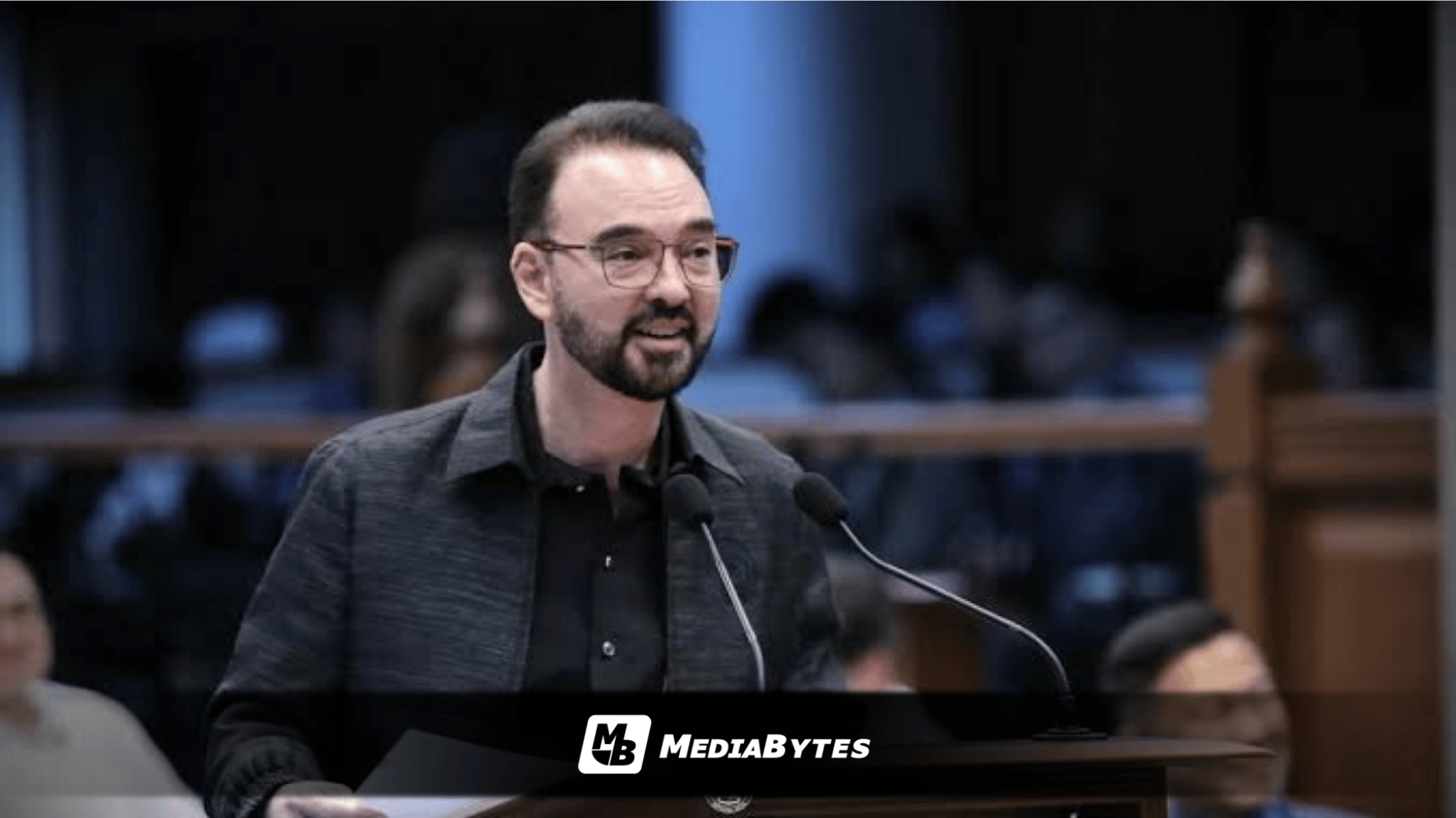
Senate Minority Leader Alan Peter Cayetano has called for the creation of a unified national agenda to directly address the daily hardships of ordinary Filipinos, urging leaders and the public to focus on clear priorities and collective solutions.
Speaking during a social media livestream shortly after returning from Singapore, Cayetano reflected on the nation’s current state, pointing to pressing challenges across the economy, public health, spiritual health, politics, and democratic governance.
“All of these need real attention, focus and joint action,” Cayetano said.
The lawmaker criticized the ongoing political division between the administration and the opposition, emphasizing that endless partisan debates fail to solve the country’s core issues. Instead, he advocated for a broader consensus on necessary reforms and immediate priorities.
“Everyone agrees we need to do better. We need change. We need to transform our nation,” he said.
“Yet there is no agreement on how, or even what to do first,” he added.
Highlighting the economic burden on struggling households, Cayetano stressed that national growth must genuinely improve the financial security of everyday citizens, including workers, youth, farmers, and fishermen.
“Our economic health must be felt in ordinary homes. A parent should have a fair chance to earn enough, save something and prepare for the future. Farmers and fishermen should have a fair chance to prosper from their work. Young people should be able to imagine building a good life here at home,” he said.
“Progress must reach the family deciding which bill can wait and which meal can be stretched,” Cayetano stressed.
Beyond economic measures, the senator urged the country to examine its moral foundation and protect democratic institutions, warning against the normalization of dishonesty and unethical behavior.
“Our spiritual health shapes what we are willing to accept, excuse or resist. When dishonesty becomes normal, when cruelty becomes entertainment, and when loyalty becomes an excuse to overlook wrongdoing, something deeper needs healing,” the senator said.
He concluded that robust democratic systems are essential for ensuring accountability, maintaining equal protection under the law, and safeguarding public dialogue regardless of shifting political dynamics.
“Institutions must be strong enough to hold the powerful accountable and fair enough to protect anyone from abuse. Rules must remain dependable when the political numbers change. Citizens must be free to question leaders, and leaders must be willing to answer,” Cayetano emphasized.