


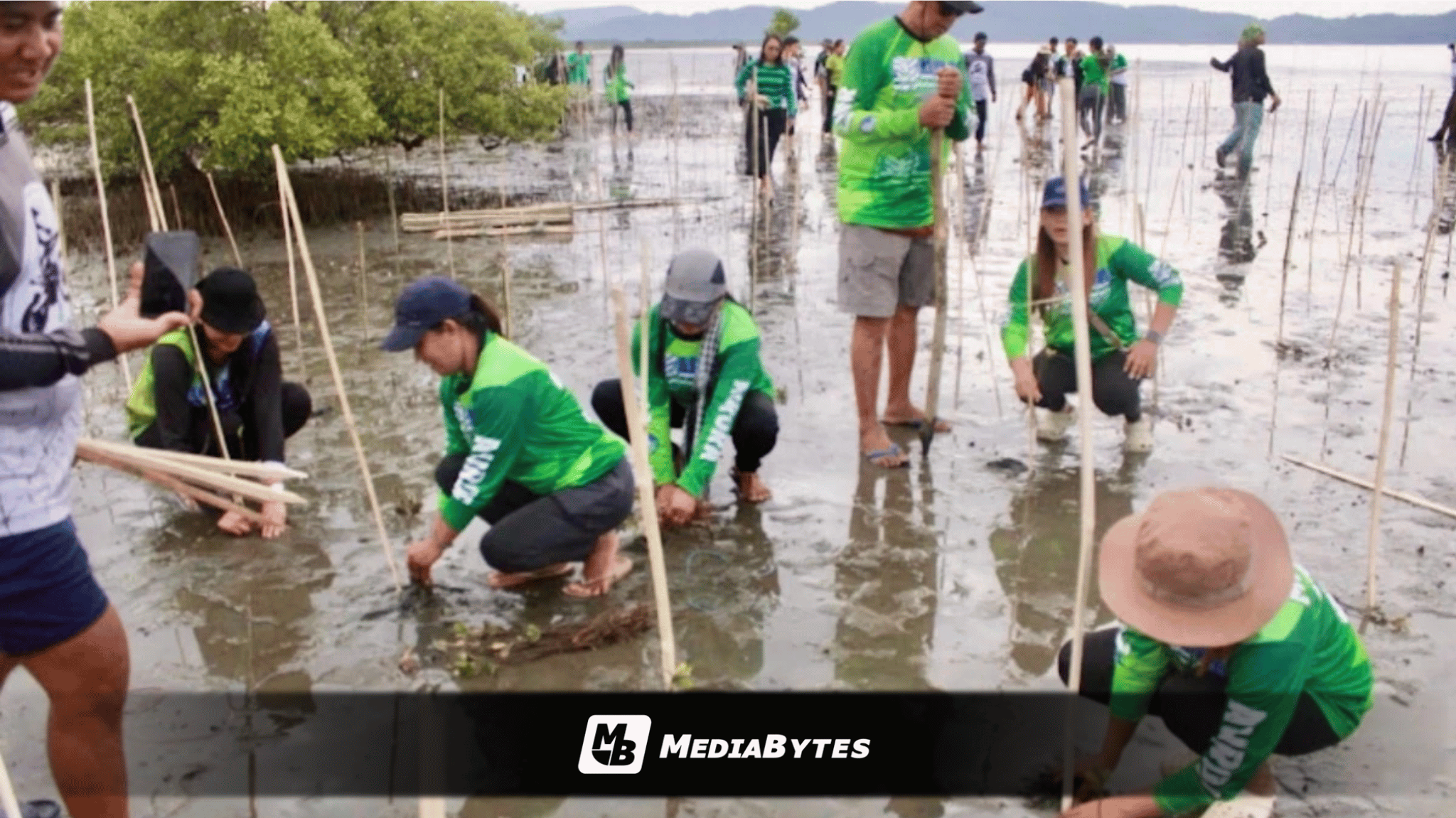
MANILA, Philippines — The Department of Environment and Natural Resources (DENR) announced that it is ramping up forest protection patrols and targeted reforestation initiatives across critical watersheds nationwide to bolster the country’s water security amid the threat of El Niño.
Emphasizing the vital role forests play in sustaining water flow during extended dry spells, the agency is combining the rehabilitation of degraded and fire-affected lands with active measures to safeguard existing forest cover. These efforts involve mobilizing local communities, civil society groups, Indigenous Cultural Communities, and field personnel.
Environment Secretary Juan Miguel Cuna highlighted that forests serve as the nation’s primary natural infrastructure for retaining water, making watershed restoration essential for long-term drought mitigation.
“While watershed restoration and forest protection efforts are not immediate solutions to the ongoing El Niño episode, such are critical long-term measures to strengthen ecosystems, improve water security, and help communities better withstand potential droughts and prolonged dry conditions,” Cuna stated.
The DENR chief noted that these strategies build resilience against El Niño, an irregular climate cycle recurring every two to seven years that frequently triggers severe droughts and depletes water supplies.
Regional Initiatives Nationwide
- Central Luzon: The regional office is actively restoring critical watersheds across Aurora, Bataan, Nueva Ecija, and Zambales. In Nueva Ecija, the Manila Bay Site Coordinating and Management Office is evaluating seedling survival and soil moisture in narra plantations, while Bicol field offices are conducting tree-growing activities and partnering with local groups—such as the Integrated Bar of the Philippines in Masbate—to plant thousands of indigenous and mangrove seedlings. In Camarines Norte, contractors under the Enhanced National Greening Program (ENGP) are mandated to replace dead seedlings and supply supplemental watering.
- Mindanao: Operations focus on ecosystem restoration and preserving local water sources. Caraga field units are prioritizing the rehabilitation of fire-damaged peatlands and riverbanks using drought-resilient native species like bangkal, lanipao, and narra. Meanwhile, the Davao Region has intensified LAWIN anti-illegal logging patrols and partnered with Apo Agua Infrastructura Inc. and the Obu-Manuvu Indigenous Cultural Community to assess the ecological health of the Panigan-Tamugan Sub-watershed, Davao City’s primary potable water source.
The DENR continues to conduct weekly monitoring of ENGP sites and provides vital logistical support to community forestry organizations to prevent forest fires and minimize seedling loss.