


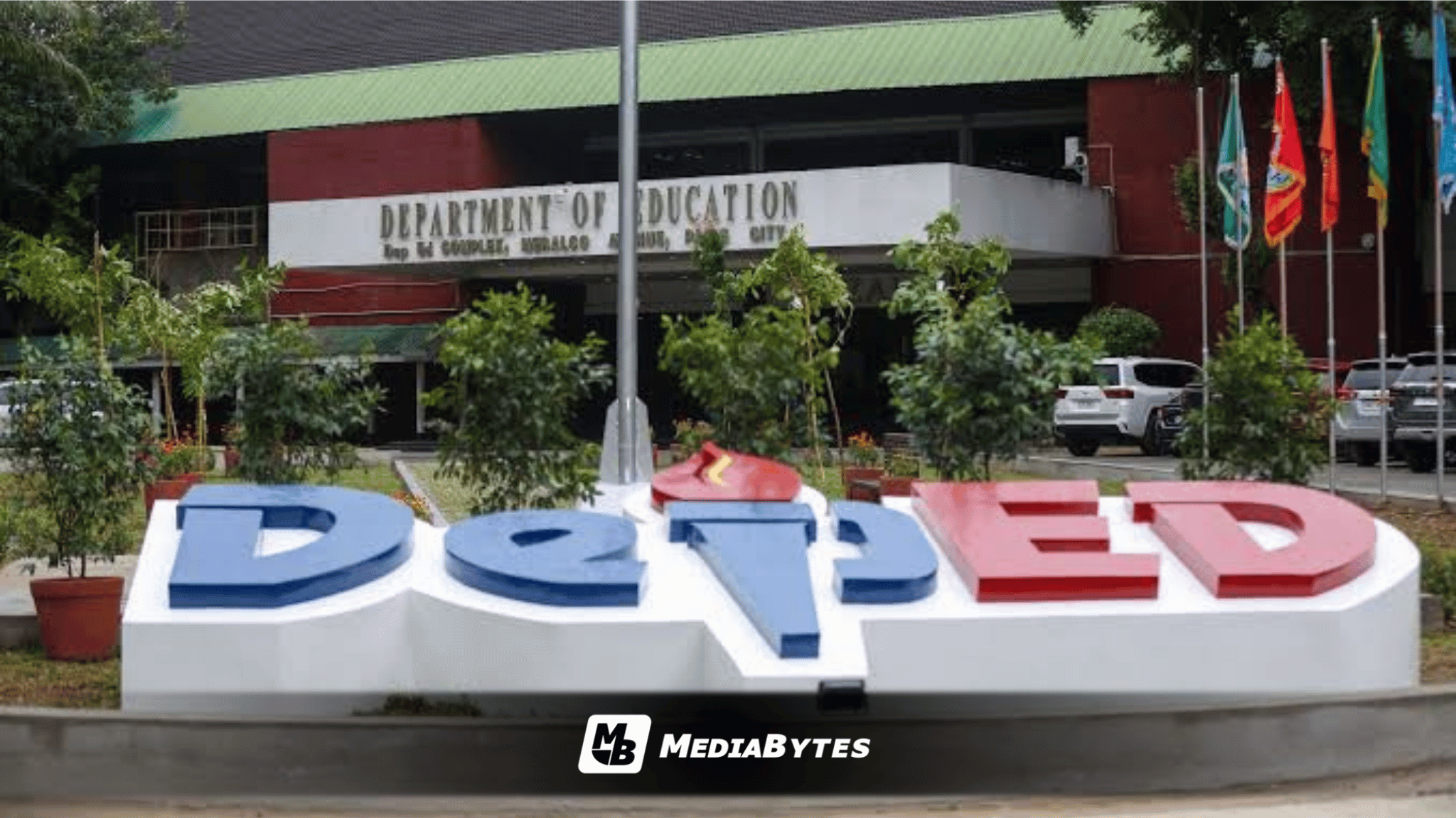
MANILA, Philippines — The Department of Education (DepEd) has rolled out a comprehensive evaluation mechanism called the Safe School Environment Audit to consolidate and streamline campus safety assessments nationwide.
Announced on Tuesday, November 3, the unified framework evaluates schools across five major domains: safety management, supportive environment, safe facilities and access, emergency preparedness and response, and disaster recovery.
The initiative merges previously fragmented safety programs into a single assessment tool covering disaster risk reduction, child protection, health services, psychosocial support, and physical security measures. Schools will complete self-evaluations through on-site observations, interviews, and document reviews, which will then be validated by higher DepEd offices to identify capability gaps and deploy targeted interventions.
Education Secretary Juan Edgardo “Sonny” Angara emphasized the necessity of a secure learning environment for academic progress.
“We cannot talk meaningfully about quality education if our children, teachers, and personnel do not feel secure inside and outside their classrooms.”
“This audit isn’t just about ticking boxes; it’s a tool to see where our schools stand across all safety domains so we can pour targeted support exactly where it’s needed.”
To finance critical safety enhancements, DepEd has proposed an additional ₱8.18 billion in its 2027 budget. Furthermore, the agency plans to establish a national dashboard to monitor school safety conditions, streamline resource alignment with local government units and community stakeholders, and guide data-driven policy decisions.
Highlighting successful models during a visit to Lakan Dula High School in Manila, Angara reiterated the collaborative nature of the initiative.
“Security and well-being are shared responsibilities. We are working hand-in-hand with our local chief executives, parent-teacher associations, and community partners to ensure that our schools remain genuine sanctuaries of hope.”