


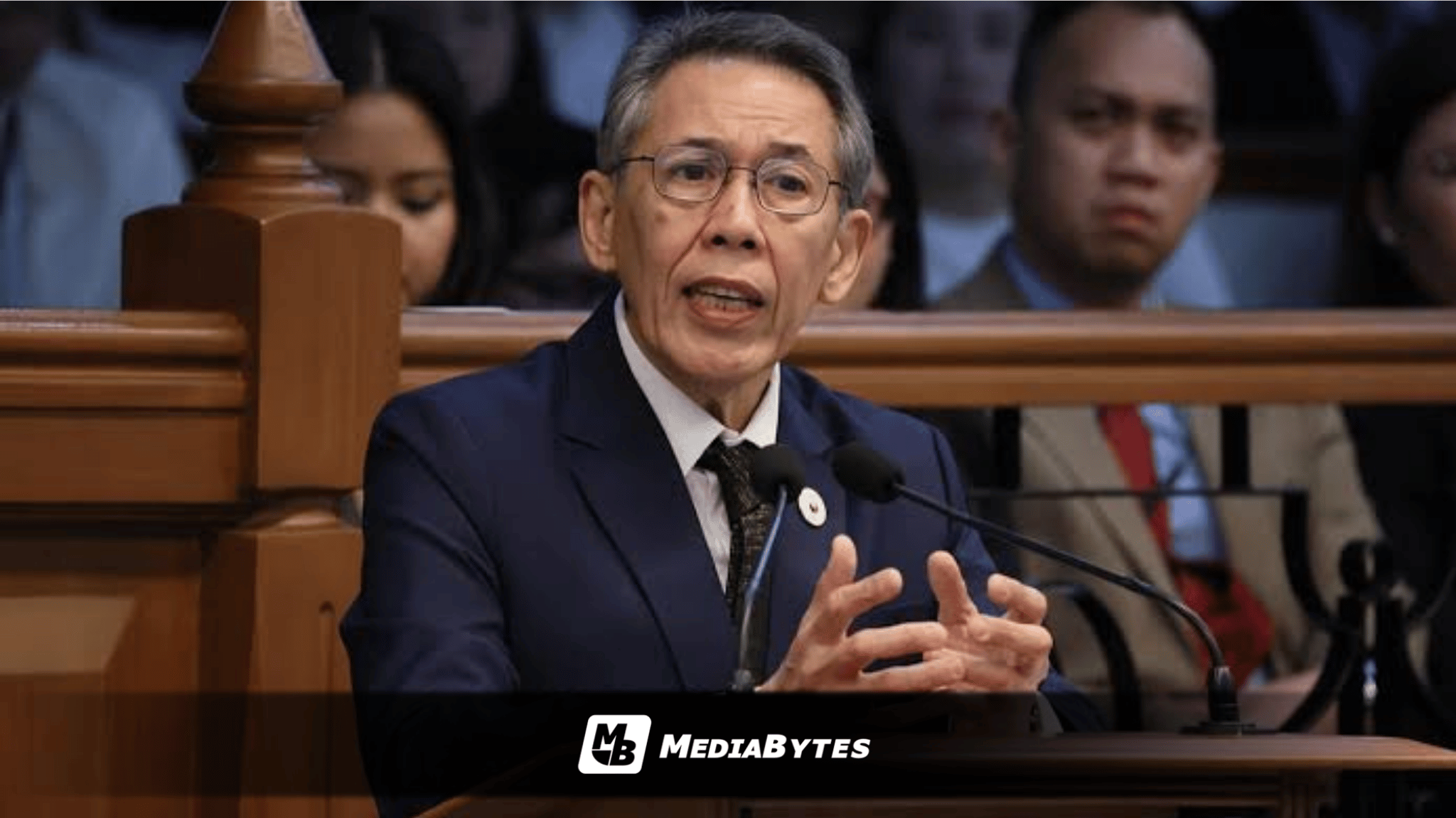
MANILA, Philippines — The Senate impeachment court’s modified interpretation of the constitutional voting threshold in the trial of Vice President Sara Duterte will not automatically set a binding precedent for future impeachment courts, Akbayan Party-list Representative Chel Diokno said on Wednesday, September 23.
Speaking to reporters following the 29th day of the trial proceedings, Diokno explained that the presiding officer, Senator Francis “Chiz” Escudero, explicitly applied the threshold determination pro hac vice—meaning strictly for the present case—to address the unique circumstances surrounding the current Senate membership.
“I think ’yung usually na paggamit ng pro hac vice, para lang i-emphasize na ito ay para dito lang at hindi ito puwedeng gamitin sa mga susunod pa kung meron mang mga impeachment proceedings,” Diokno said.
Diokno emphasized that decisions rendered by an impeachment court do not function like rulings from regular judicial bodies.
”Ang pagkakaiba din ng impeachment court meron nga tayong tinatawag na judicial precedent na kung ano ’yung naging pagpapasya ng SC (Supreme Court) sa isang desisyon ay maaaring i-apply in other similar cases in the future,” he noted.
In standard legal proceedings, courts adhere to established judicial decisions under the doctrine of stare decisis when dealing with substantially similar issues.
“But hindi siya, hindi natin mahihintulad iyon doon nga sa judicial precedent o stare decisis,” underscored Diokno.
He further pointed out that any future Senate convened as an impeachment court will feature a distinct composition and will retain its independent constitutional mandate to establish, adopt, and interpret its own procedural rules.
Consequently, subsequent impeachment courts facing different circumstances remain free to determine how the constitutional voting requirement ought to operate.
The September 23 ruling handed down by Escudero resolved the ongoing debate over the required vote count in Duterte’s trial—specifically addressing whether the constitutional two-thirds requirement for conviction applies to the full 24-member Senate roster or only to the active senators who are legally and physically capable of performing their duties.