


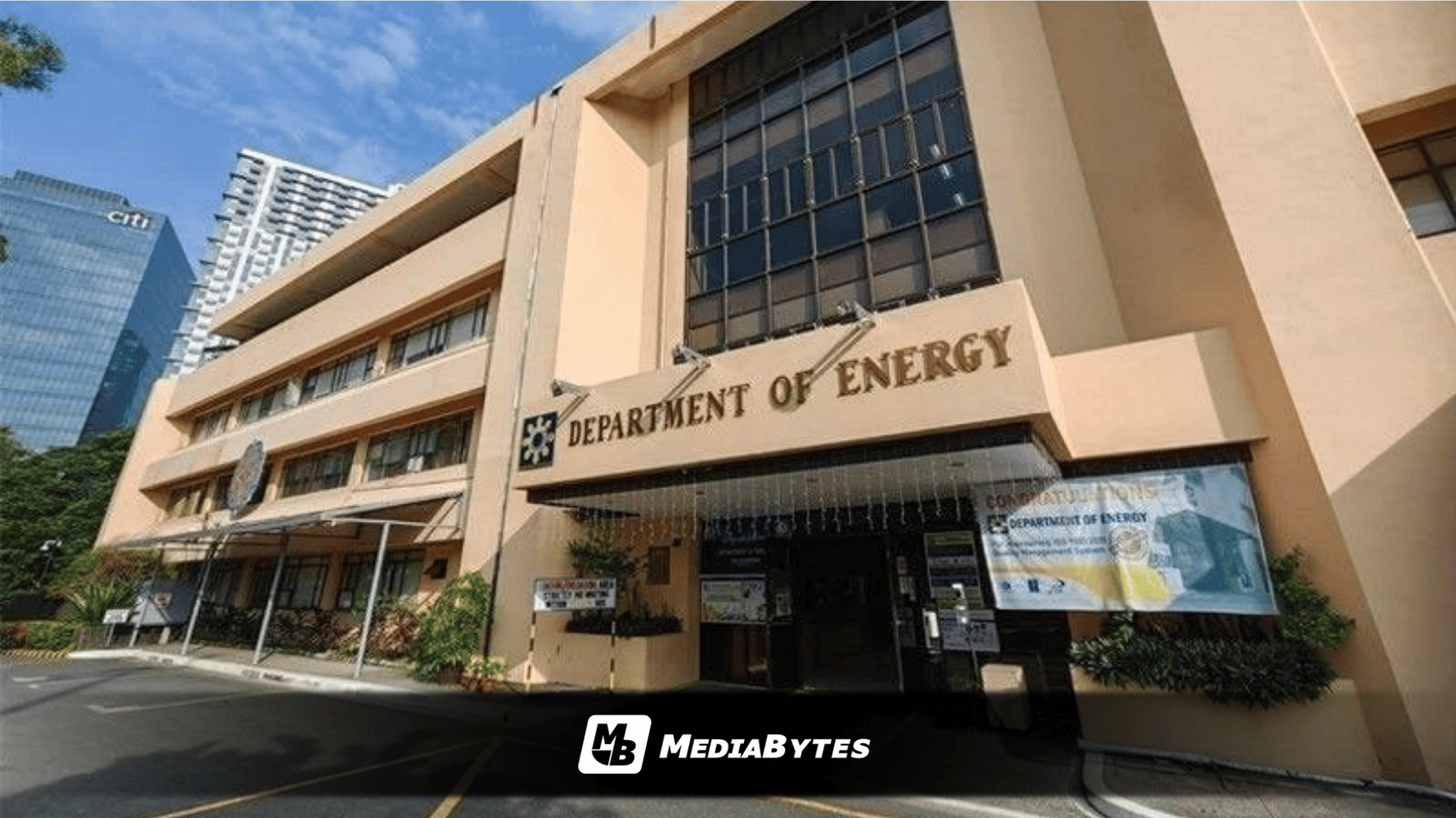
The Department of Energy (DOE) has submitted a certification to the Development Budget Coordination Committee (DBCC) for a possible reduction or suspension of fuel excise taxes amid concerns that escalating tensions in the Middle East could push global oil prices higher.
Energy Secretary Sharon Garin disclosed the move during a press briefing on Tuesday, September 15, saying the government is monitoring the potential impact of the geopolitical situation on fuel prices.
Garin said pump prices could continue increasing, although she does not expect the sharp hikes seen during previous periods of volatility.
“I don’t think it will go up at the rate na dati tig-₱20 (to) ₱30 ‘yung increase,” the DOE chief said.
She added that there are currently no indications that oil prices will decline significantly in the near term.
“But it will go up in smaller amounts pero wala pang signs ngayon na babagsak pa ‘yung presyo ng oil,” she said.
The DBCC includes the Department of Budget and Management, Department of Finance, Department of Economy, Planning, and Development, and the Office of the President.
Under Republic Act No. 12316, signed in March 2026, the President may suspend or reduce fuel excise taxes upon the recommendation of the DBCC once the conditions specified under the law are met.
The law allows such action when the monthly average price of Dubai crude reaches or exceeds $80 per barrel.
After the law took effect, President Ferdinand Marcos Jr. approved a three-month suspension of excise tax collections on liquefied petroleum gas and kerosene beginning in April.
Garin said the DBCC will determine whether gasoline and diesel could also be covered by a future suspension or reduction of fuel excise taxes.
“They go through simulations kung ano ang impact nito sa inflation, on the growth, lahat na,” Garin said.
She added that the committee will conduct a thorough assessment before making any recommendation.
“They will be studying it properly so I’ll report once we have it,” she added.