


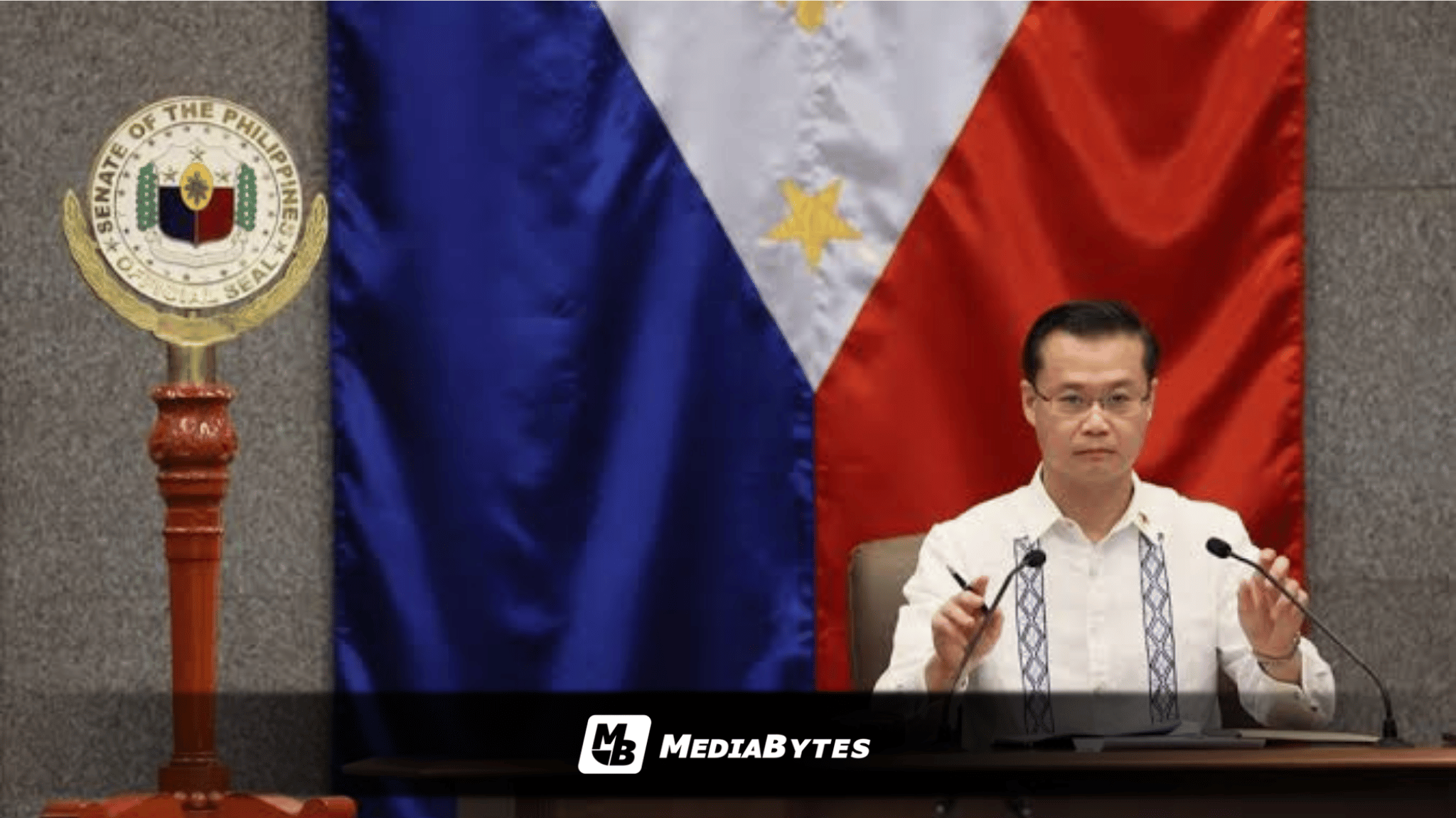
MANILA, Philippines — Senate President Win Gatchalian expressed appreciation on Friday, October 2, following a High Tribunal ruling that affirmed the validity of the contentious June 3 Senate session that led to a change in the chamber’s leadership.
The Supreme Court dismissed a petition seeking to invalidate the proceedings, confirming the majority bloc’s position that the session was “convened in accordance with the Constitution.”
The ruling effectively shuts down arguments raised by critics and members of the former majority led by Senate Minority Leader Alan Peter Cayetano, who argued that the leadership takeover was unconstitutional.
Cayetano’s faction had filed a petition asking the apex court to declare their ouster “unconstitutional, null, and void ab initio (from the start)” and to reinstate their leadership.
“The Court found no basis to question the holding of that session, and noted that it appears consistent with the facts and the law,” Gatchalian said in a statement on Friday.
“We respect the Court and its resolution. The resolution is consistent with what we have maintained from the start: on June 3, the Senate convened in accordance with the Constitution and established jurisprudence so that the chamber would not be left unable to function,” the Senate leader further said.
The disputed June 3 session followed a three-day boycott by Cayetano and his allies, triggered by the arrest of Senator Jinggoy Estrada on plunder charges on June 1. The resulting absence of Cayetano’s group paralyzed legislative operations, prompting Senator Francis “Chiz” Escudero to break ranks and join Gatchalian’s bloc.
With Escudero’s vote, the bloc established a 12-member quorum, declared all Senate leadership posts vacant, and initially named Gatchalian as acting Senate President.
After Senator Joel Villanueva joined the new majority, Gatchalian was officially proclaimed Senate President, leading Cayetano’s group to concede.
“The proceedings of that day were, likewise, conducted in keeping with the established rules and precedents of the Senate. That responsibility belongs to every member, and the Senate will continue to carry it out as one institution,” Gatchalian stressed.
Throughout the dispute, the Gatchalian-led majority maintained the legality of their actions by citing Avelino v. Cuenco, a landmark 1949 Supreme Court decision establishing that 12 senators can constitute a valid quorum to conduct official business when others are beyond the chamber’s coercive reach.