


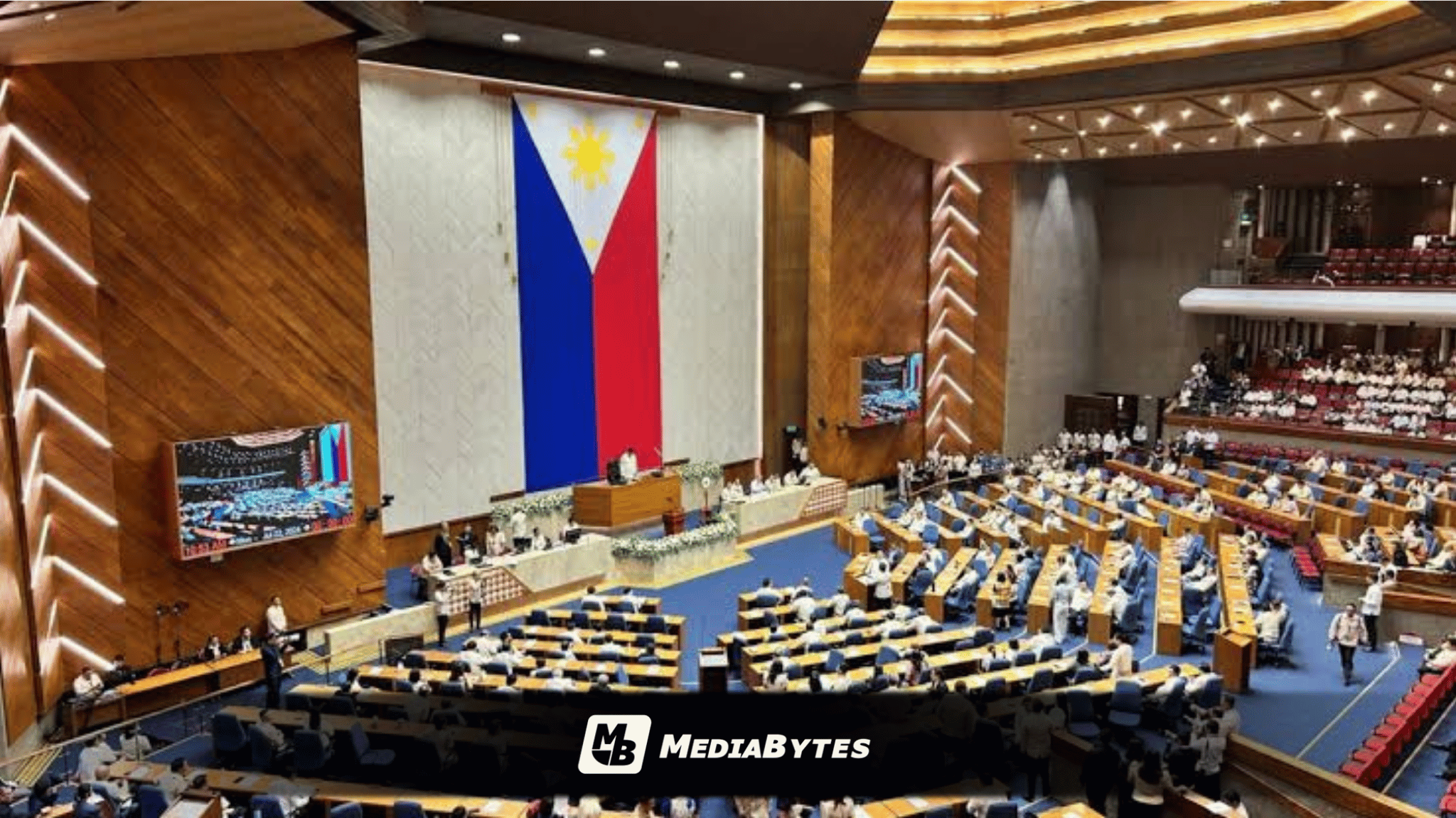
The House of Representatives overwhelmingly approved on third and final reading a measure aimed at fortifying national defenses against modern espionage and severe security risks, while imposing harsher penalties on offenders.
During the Thursday night plenary session on September 17, lawmakers passed House Bill (HB) No. 9642, also known as the proposed New Espionage Act, with 247 affirmative votes, 10 negative votes, and zero abstentions.
The bill updates the nation’s legal safeguards to protect sensitive state operations, classified data, and national defense assets. Lawmakers emphasized that modern intelligence threats now extend beyond traditional document theft, spanning cyberattacks, unmanned aerial vehicles, financial networks, and targetings of critical infrastructure.
Under the measure, severe acts such as espionage and conspiracy to commit espionage are punishable by life imprisonment without eligibility for parole or good conduct time allowances, alongside fines ranging between ₱10 million and ₱20 million. Life sentences also apply to individuals who make false declarations to obtain security clearances.
The proposed law targets several other offenses, including:
- Unauthorized entry into defense assets or critical infrastructure
- Unlawful possession of surveillance tools like drones or listening devices used for spying
- Proposing espionage or destroying national defense property
- Disloyal acts committed by government personnel in sensitive positions
- Unauthorized handling or disclosure of classified state information
The bill features extraterritorial reach, applying to offenses committed overseas by Filipino citizens, on Philippine vessels or aircraft, within diplomatic premises, or directly against state interests.
Convicted public officials will face perpetual absolute disqualification from holding office, military personnel may undergo court-martial proceedings, and foreign nationals will be deported and permanently barred after serving their sentences.
To assist enforcement, qualified intelligence and law enforcement agents may obtain Court of Appeals authorization for communication surveillance when reasonable grounds exist. Additionally, the Anti-Money Laundering Council (AMLC) is granted authority to probe funds and assets linked to espionage.
The Department of National Defense, Department of Justice, and National Security Council are mandated to formulate the implementing rules and regulations within 120 days of the law’s effectivity.