


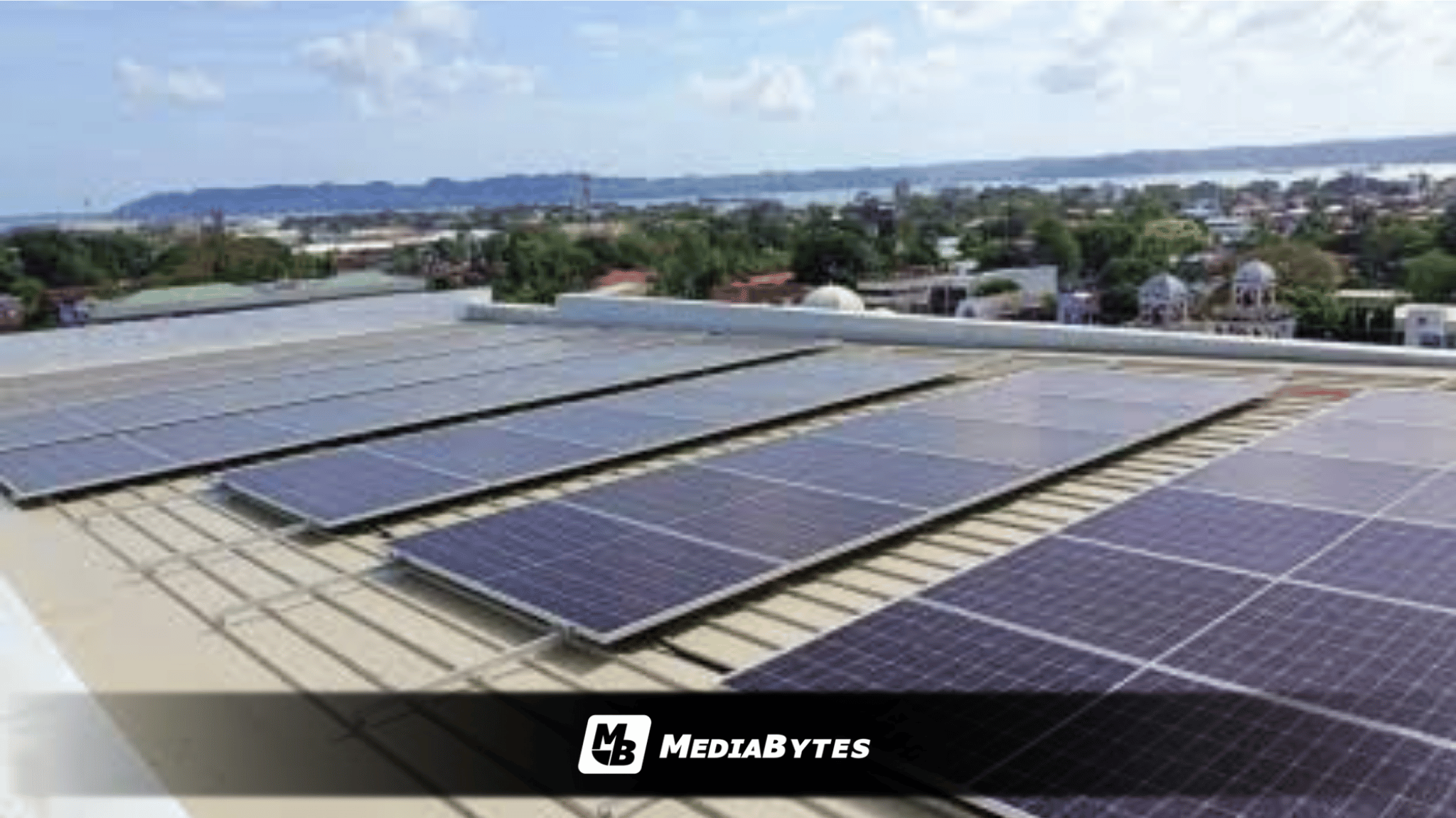
MANILA, Philippines — Quezon City 5th District Representative Patrick Michael “PM” Vargas has introduced a legislative measure that aims to incorporate rooftop solar energy systems as a standard requirement in all state-backed housing projects across the country.
Under House Bill (HB) No. 10478, also known as the proposed “Power sa Mamamayan Act,” low-income families would be able to harness renewable energy to slash their monthly utility expenditures by as much as half. The proposed bill establishes a Solar ng Tahanan Financing Program, which embeds the cost of solar equipment directly into long-term housing loans to spare beneficiaries from paying heavy upfront expenses.
Vargas emphasized that the initiative is designed to ease the financial burdens of former informal settler families, who frequently struggle to balance monthly power bills and commuting costs following relocation.
”Ang layunin natin sa pag-relocate ng informal settlers ay matulungan silang maiahon sa kahirapan. Dahil itinataguyod pa lang nila muli ang kanilang mga buhay, kailangan bawasan natin ang kanilang pasanin sa pagbibigay ng murang kuryente,” Vargas said.
Under the framework of the bill, households can generate daytime electricity through solar panels and utilize net metering to sell excess power back to local distribution utilities in exchange for monthly bill credits. Vargas noted that a typical household previously spending ₱1,000 monthly on electricity could see combined utility and housing loan charges drop to roughly ₱400.
The initiative would apply to housing projects managed by the National Housing Authority (NHA) and the Social Housing Finance Corporation (SHFC).
Vargas pointed to the grid-connected rooftop solar setup at Pasinaya Homes in Naic, Cavite, as a proven blueprint for socialized housing communities.
”Napatunayan sa Pasinaya Homes na kayang magkaroon ng mura at malinis na kuryente sa socialized housing communities. Pagkakataon na nating palawakin at gawing pamantayan ito sa lahat ng relocation site ng gobyerno sa buong bansa,” he added.
To safeguard beneficiaries, the measure explicitly bars housing agencies from passing down equipment expenses unless the total of the housing loan and electricity bills stays well below standard utility costs.
Vargas underscored that the transition aligns immediate household savings with the national push for cleaner energy.
”Sa paglalagay ng solar power sa ating relocation sites, binibigyan natin ng agarang bawas-gastos ang mga pamilya, ibinabalik ang kanilang dignidad, at sinisiguro nating kasama ang low-income communities sa paglipat ng bansa sa clean and renewable energy,” he concluded.