


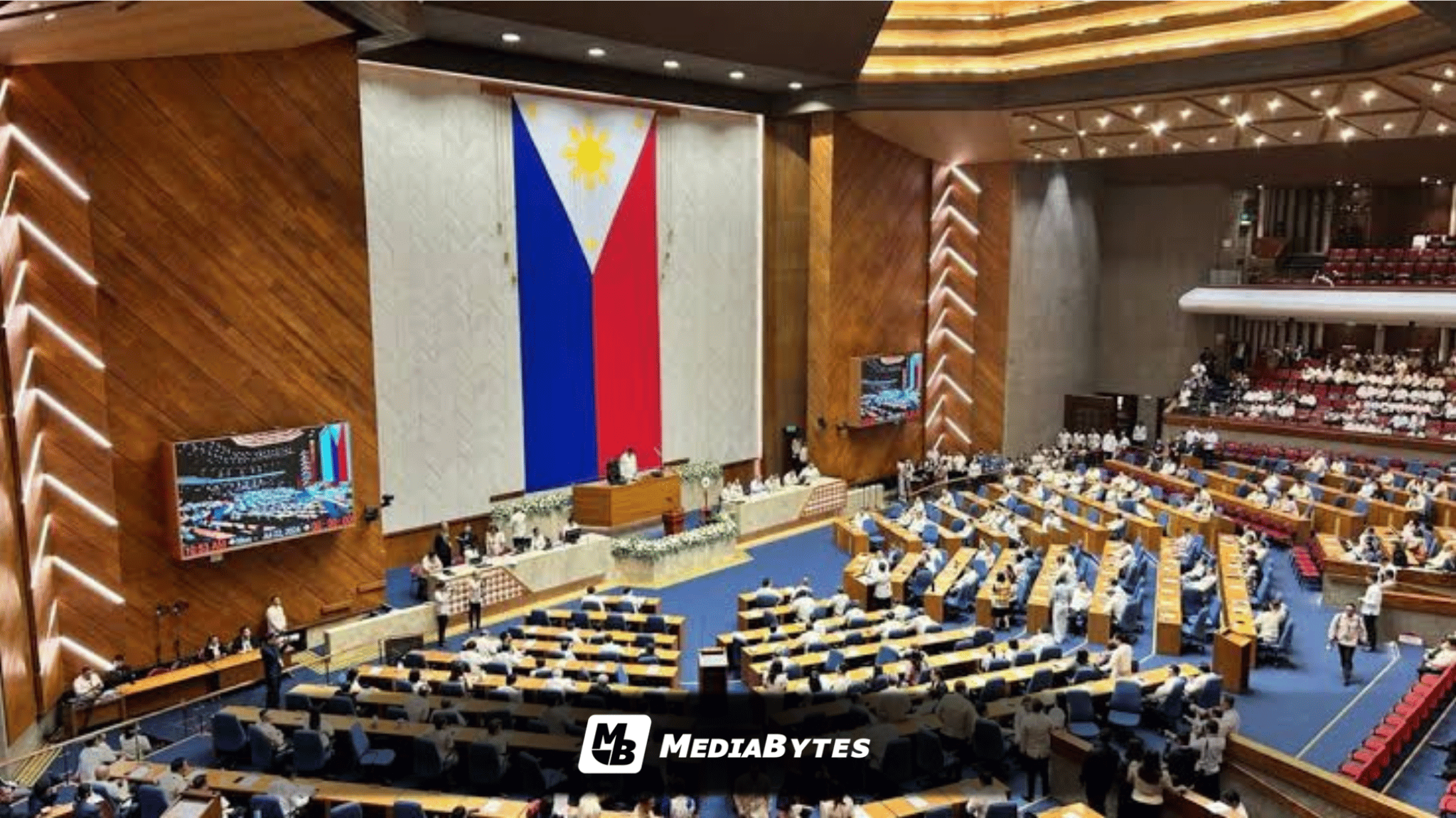
The House of Representatives defended its estimated ₱190 billion in budget realignments on Monday, pointing to what it described as major reforms in how the national spending plan is crafted.
Senior lawmakers said the adjustments target underperforming programs with slow implementation rates, reallocating idle funds to higher-priority initiatives that can utilize them more quickly.
Bataan 2nd District Representative Albert Garcia, senior vice-chairperson of the House Committee on Appropriations, explained that the realignments focused on specific lagging programs rather than entire agency budgets.
”Pero ’yung mga programs na mabagal at nakita n’yo meron pang 2026 budget na natitira tapos darating pa ’yung 2027 budget, mabubulunan,” Garcia said.
”So ’yung mga ’yun, habang inaayos ng agency ’yung kanyang sistema sa implementation, inililipat doon sa ibang priority na mabilis ’yung implementation,” he added.
FPJ Panday Bayanihan Party-list Representative Brian Poe cited an example involving the Disaster Rehabilitation and Reconstruction Assistance Program, which still held ₱15.33 billion in unused allocations as of June 30, 2026. He noted that the funds were proposed for transfer to the quick response funds of the Department of Social Welfare and Development and the Department of Agriculture to speed up disaster-response mobilization.
The defense of the realignments comes alongside sweeping structural changes introduced under House Speaker Faustino “Bojie” Dy III and Majority Leader Sandro Marcos.
Garcia highlighted that these reforms—spurred by past controversies over infrastructure spending—include opening budget hearings to the public, increasing private sector participation, and launching an online transparency portal following a consultation with civil society organizations.
The chamber also replaced the traditional “small committee” with the newly created House Budget Amendments Review Subcommittee (BARSc). While acknowledging that the reforms are still a work in progress, Garcia emphasized that the House welcomes continued oversight from the media, civil society, and the Church.
“Let us acknowledge the fact that we have made earth-shaking reforms with regards to the budget,” Garcia said.
“These are new reforms that have never happened before. And we’re learning as we go along,” he added.
“We welcome the critique of the media and our civil society, the church. And we try to improve as we go along,” Garcia concluded.