


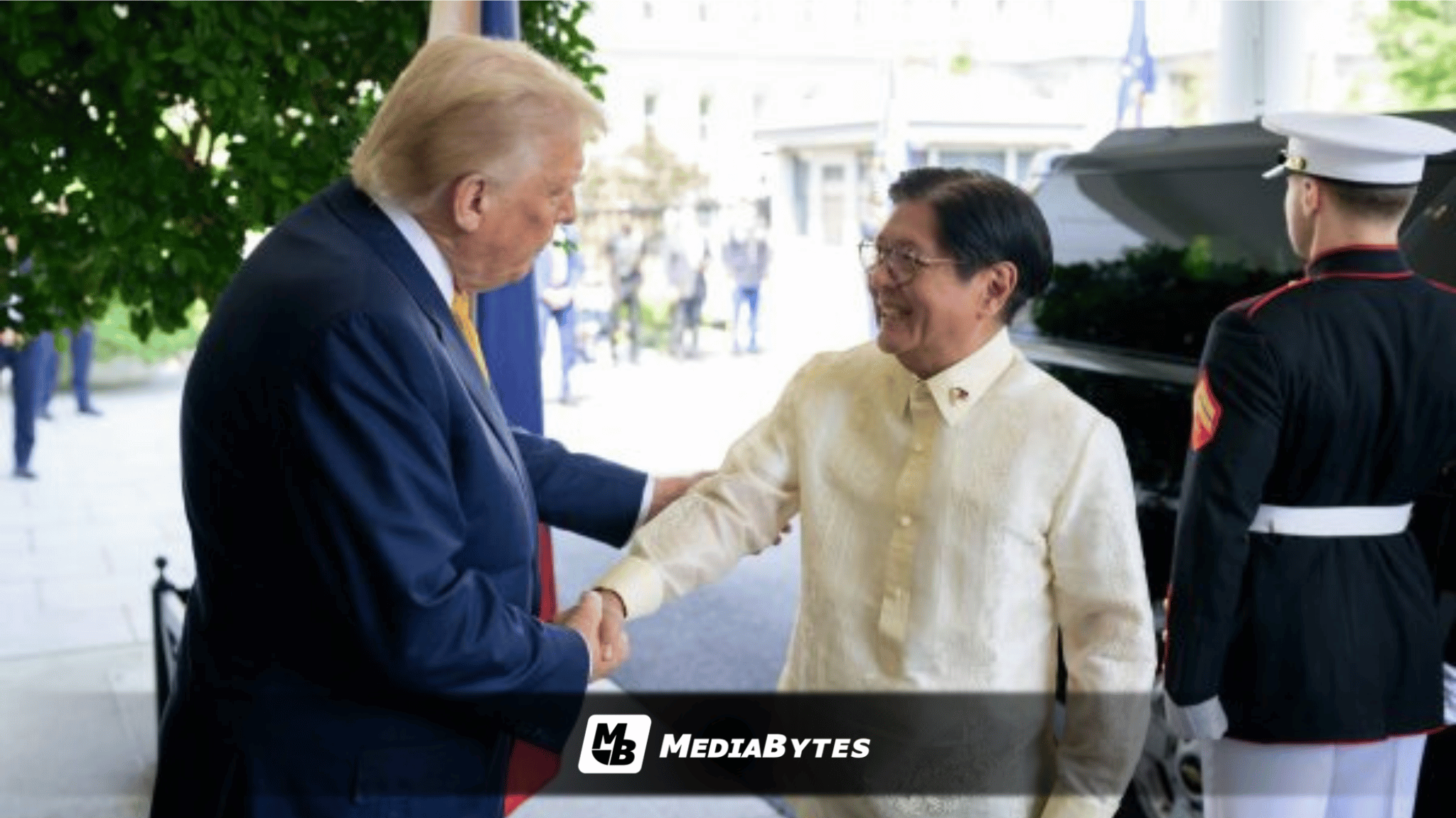
MANILA, Philippines — Senator Imee Marcos questioned the Department of Foreign Affairs (DFA) on Tuesday, November 24, regarding its apparent lack of involvement in discussions preceding U.S. President Donald Trump’s claim that the Philippines would source all of its agricultural and energy requirements from the United States.
During the Senate plenary debate on the DFA’s proposed 2027 budget, Marcos raised concern over Trump’s remarks following his Asia trip, which implied a potential diplomatic fallout if Manila failed to comply.
Although Malacañang maintained that the proposal remains under review, the senator pointed out that Trump’s statement suggested an agreement had already been reached.
A DFA representative confirmed that the agency was caught off guard by the announcement. While DFA officials were present during the bilateral meeting between Trump and President Ferdinand Marcos Jr. on the sidelines of the ASEAN summit, the prior discussions focused solely on tariffs rather than agricultural or energy imports.
The representative added that Malacañang had delegated the review of the trade and agricultural aspects to the Department of Trade and Industry (DTI) and the Department of Agriculture (DA), noting that the DA was open to importing American agricultural goods provided their prices were lower.
A formal Philippines-U.S. bilateral meeting is scheduled for March 2027 to discuss these matters alongside security issues.
Marcos expressed alarm that the country’s primary foreign policy agency and its economic officers were sidelined before such a major pronouncement was made.
”Who is formulating foreign policy if not the DFA?”
She reminded the department to keep the Senate promptly informed of any developments, emphasizing that any formal treaty would require the chamber’s ratification.
Meanwhile, Senate Majority Leader Juan Miguel “Migz” Zubiri suggested that Trump’s declaration should not be taken at face value, characterizing the U.S. leader as unpredictable and noting the remark was likely aimed at a domestic American audience.
“I don’t think the country could get 100 percent agricultural products from the US, or power as well,” Zubiri added that he was confident any eventual arrangement would not require the Philippines to rely exclusively on the United States for its food and energy needs.