


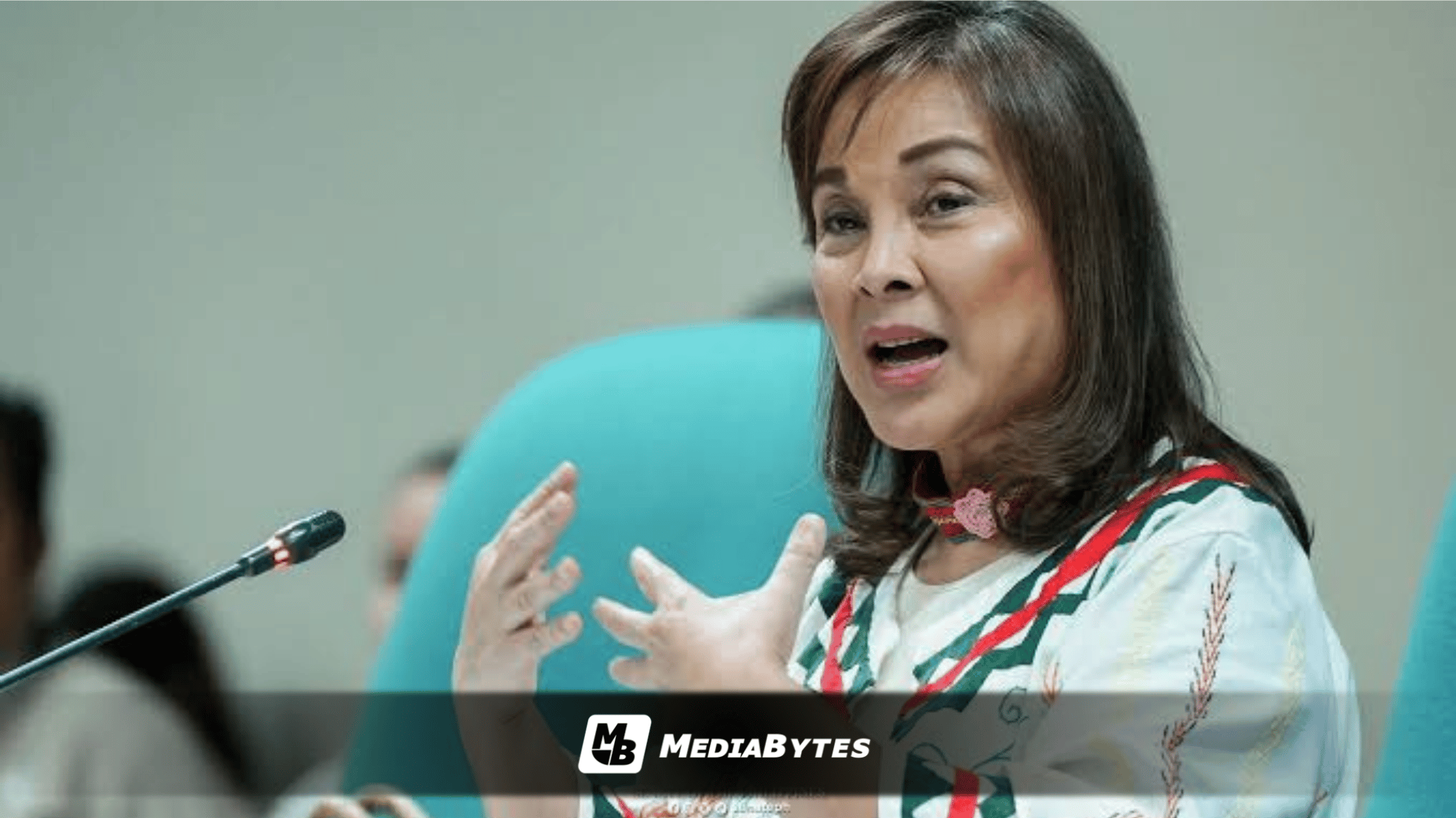
MANILA, Philippines — Senator Loren Legarda has urged for enhanced measures to protect and broaden public access to Philippine historical records following the inclusion of three local collections in the UNESCO Memory of the World Regional Register for Asia and the Pacific.
The collections were formally inscribed on November 5 during the 11th General Meeting of the Memory of the World Committee for Asia and the Pacific (MoWCAP) in Jakarta, Indonesia. The newly registered archives include the Laguna Copperplate Inscription, the Baybayin Documents at the University of Santo Tomas Archives, and the Ramon Obusan Folkloric Group Audiovisual Archive.
Legarda, who chairs the Senate Committee on Culture and the Arts, emphasized that the global recognition underscores the importance of safeguarding national history, ancient writing systems, and indigenous cultural practices.
”These treasures tell the story of who we are as Filipinos. They preserve our history, our writing traditions, and the cultural knowledge passed down through generations. I congratulate the institutions, scholars, and cultural workers whose dedication has helped bring these important collections greater international recognition,” Legarda said.
Dating back to 900 CE, the Laguna Copperplate Inscription housed at the National Museum of the Philippines stands as the oldest known historical document in the country, detailing early regional social and economic networks. Meanwhile, the University of Santo Tomas Archives’ Baybayin Documents offer vital insights into pre-colonial and early Spanish-era writing traditions, land transactions, and societal structures.
The Ramon Obusan Folkloric Group Audiovisual Archive further preserves the nation’s traditional music, dances, and rituals through comprehensive audiovisual records.
While celebrating the milestone, Legarda stressed that the UNESCO inscription must prompt active preservation, academic study, and educational accessibility rather than remaining a purely symbolic honor.
”Recognition is an important achievement, but our work does not end here. These records must be carefully preserved, studied, and shared so that more Filipinos can understand the richness of our history. We must also support the institutions and cultural workers who have devoted their lives to safeguarding them,” she added.
Pointing to her legislative background, Legarda highlighted key cultural measures she authored and sponsored, such as Republic Act No. 10066 (the National Cultural Heritage Act) and Republic Act No. 11961 (the Cultural Mapping Law), which provide frameworks for heritage conservation and documentation.
She called for closer collaboration among government bodies, academic institutions, and researchers to keep the country’s documentary heritage protected and accessible to the public.
”Our history deserves to be known and understood by our own people. By protecting these treasures and making their stories accessible, we keep our cultural heritage alive and meaningful in the lives of Filipinos,” she concluded.