


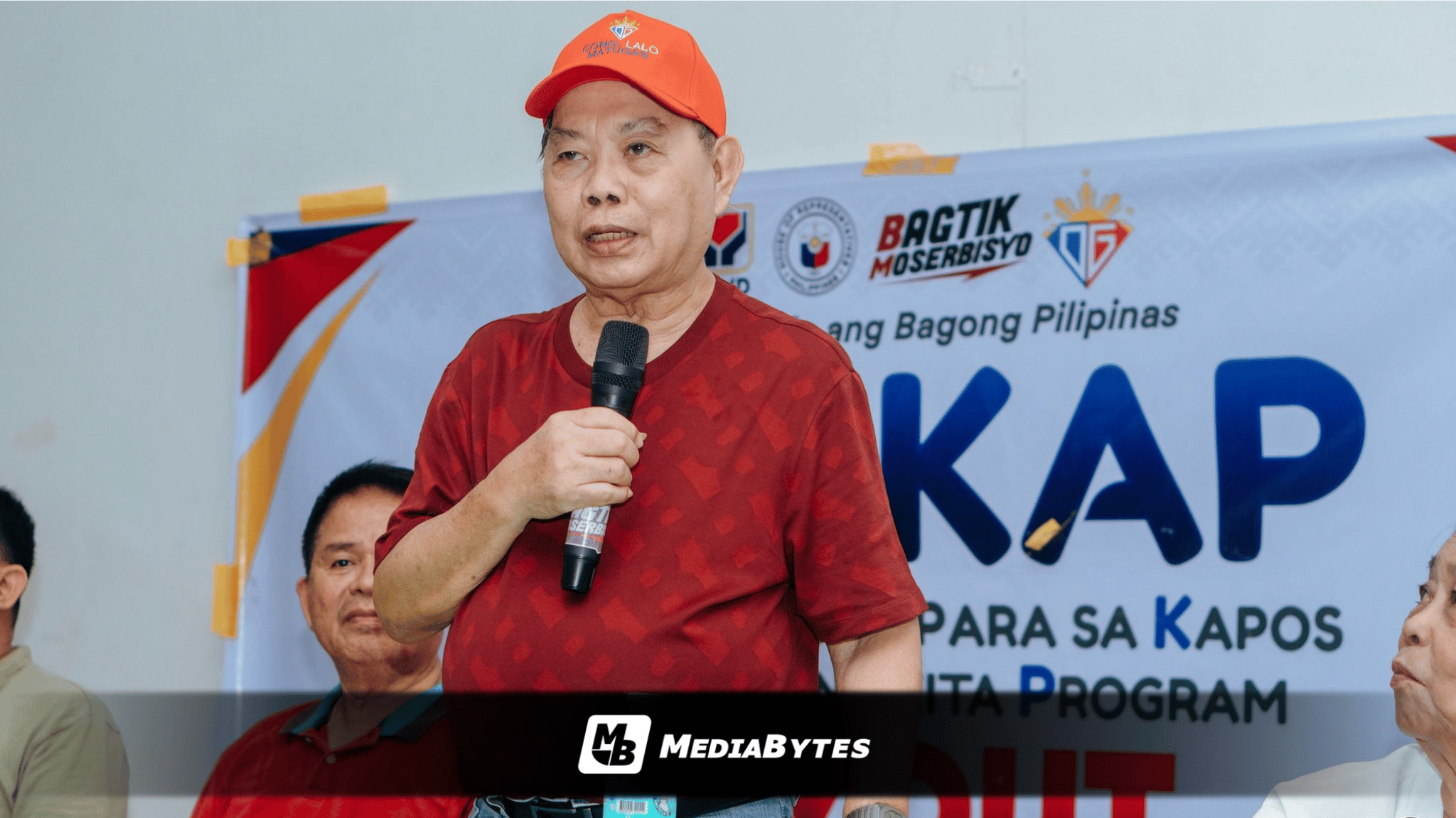
MANILA, Philippines — Surigao del Norte 1st District Representative Francisco “Lalo” Matugas asserted over the weekend that official government records will determine the precise individuals responsible for selecting contractors, supervising construction, issuing accomplishment certifications, and authorizing payments for the controversial Mahayhay-Tuburan Road project in Del Carmen.
The lawmaker made the statement after the Office of the Ombudsman publicly discussed its ongoing preliminary investigation involving him and his son, former Representative Francisco “Bingo” Matugas II.
Both individuals have already submitted their counter-affidavits to the anti-graft body.
”We have already submitted our answers through the proper process. We respect the Ombudsman and are prepared to have the complete documents and evidence examined,” Rep. Matugas said.
Matugas emphasized that official project documentation should serve as the basis for identifying who executed specific actions related to the project.
”The project records should show who selected the contractor, who signed the documents, who implemented and supervised the project, who certified the accomplishment and who processed the payments,” the elder Matugas stated.
”These are specific acts. The records should establish who actually performed them,” he added.
Case documents identify Boometrix Development Corporation as the private contractor, with Ronald Abejo and his wife, Princess Abejo, listed as major shareholders. Despite acknowledging familial ties to Abejo, Matugas insisted that kinship should not be equated with wrongdoing.
”Being related to the owners of a company is one fact. Participation in a particular government project is another. The documents should establish the role of each individual,” he argued.
Corporate records cited in the case files indicate that neither the current lawmaker nor his son served as officers, shareholders, or incorporators of Boometrix.
Furthermore, evidence shows that neither signed contract documents for the Mahayhay-Tuburan road project nor participated in its execution.
”If there is a document showing that either of us participated in the selection of the contractor, signed the project contract, supervised the construction, certified the accomplishment or authorized a payment, then that document should be identified and examined,” Matugas noted.
As the Ombudsman looks into the project’s reported completion rates and released payments, Matugas maintained that responsibility for any discrepancies must be traced through official records.
”If there was a problem with the implementation of the project, determine who was responsible for the work. If there was an incorrect certification, determine who prepared and approved it. If there was an improper payment, determine who processed and authorized it,” he said.
”That is why we welcome an examination of the complete records. Let the documents establish who did what.”
Both lawmakers reiterated their respect for the Ombudsman’s authority and confirmed their full cooperation with the proceedings.