


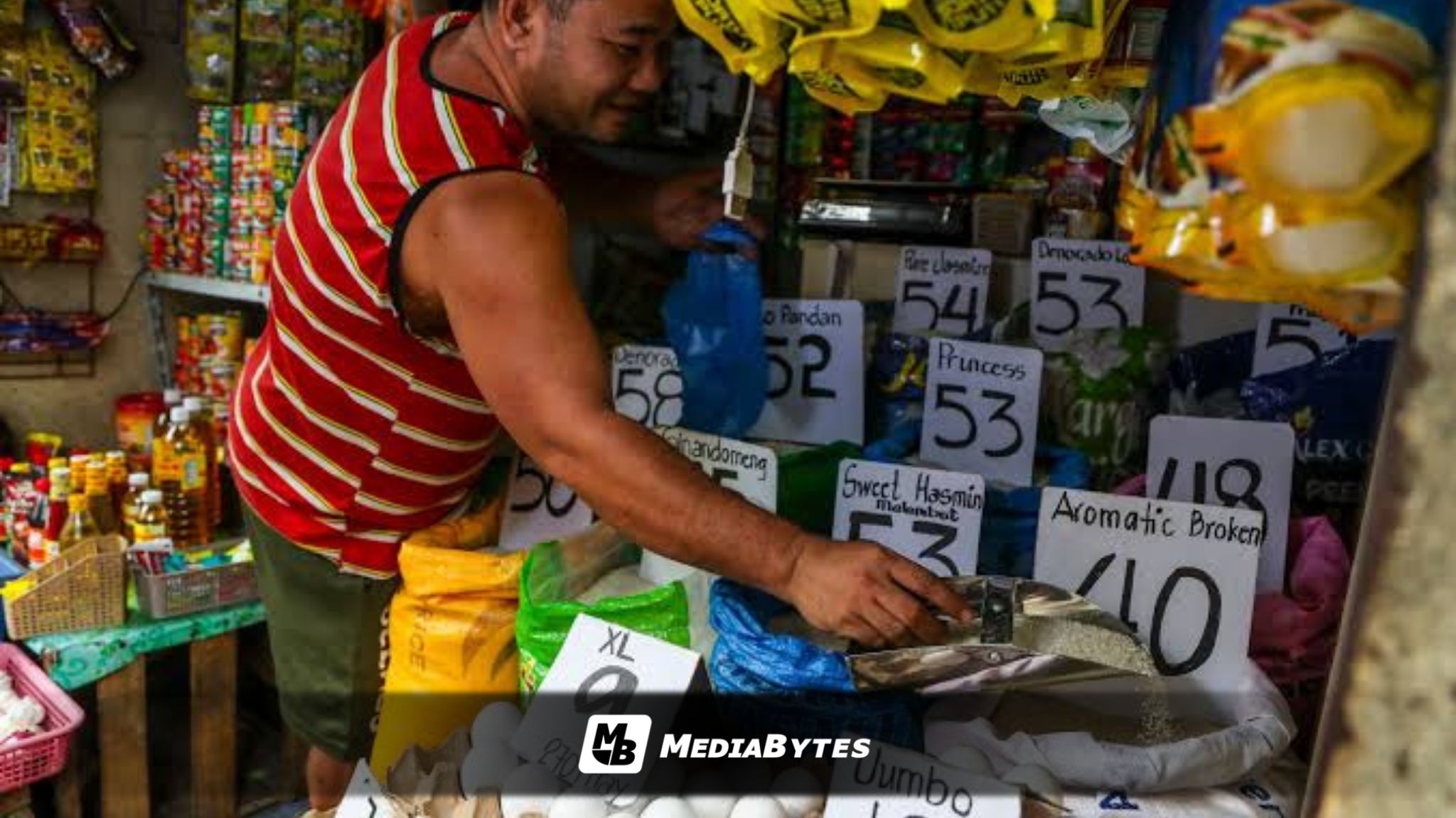
Inflation slowed to a three-month low of 1.5% in November, easing from October’s 1.7% as softer food prices outweighed cost pressures from fuel hikes and higher utility tariffs, according to data released by the Philippine Statistics Authority (PSA).
The result matched August’s reading and landed squarely within the Bangko Sentral ng Pilipinas’ (BSP) forecast range of 1.1% to 1.9%, bringing the year-to-date average to 1.6%—well within the central bank’s target.
Malacañang welcomed the development, citing its positive impact on policy space.
Quoting Executive Secretary and former BSP Monetary Board member Ralph Recto, it said: “With inflation easing, the Bangko Sentral ng Pilipinas now has more room to adjust policy rates, which could further stimulate household spending and economic activity.”
The BSP noted that the inflation outlook remains favorable.
“The outlook for inflation is generally benign, remaining well within the target range over the policy horizon,” it said, though adding that “the outlook for domestic economic growth has weakened.”
Food inflation played a major role in the slowdown. Rice inflation plunged to –15.4%, while vegetable prices stabilized despite recent storms, rising only 4% in November compared to 16.4% in October.
PSA Undersecretary Divina Gracia del Prado explained the impact: “Ang weight kasi ng rice is 8.8 or about 9%. Ang food natin ay 35%. Kung rice ay bumaba, ang food natin naapektuhan and it has a high weight.”
Meat inflation also eased to 4% from 5.2%, helping offset higher water and electricity charges.
The government’s economic team said ongoing efforts to stabilize food supply—such as flexible import policies for rice and meat amid African Swine Flu constraints—have helped temper price increases.
Agriculture Secretary Francisco Tiu Laurel Jr. added: “The Department of Agriculture is intensifying efforts to keep food prices stable through the holiday season.”
The DA has imposed suggested retail prices for key imports, reinstated pork price caps, and allowed additional imports of onions, carrots, meat, and fish to help keep costs manageable for consumers.