


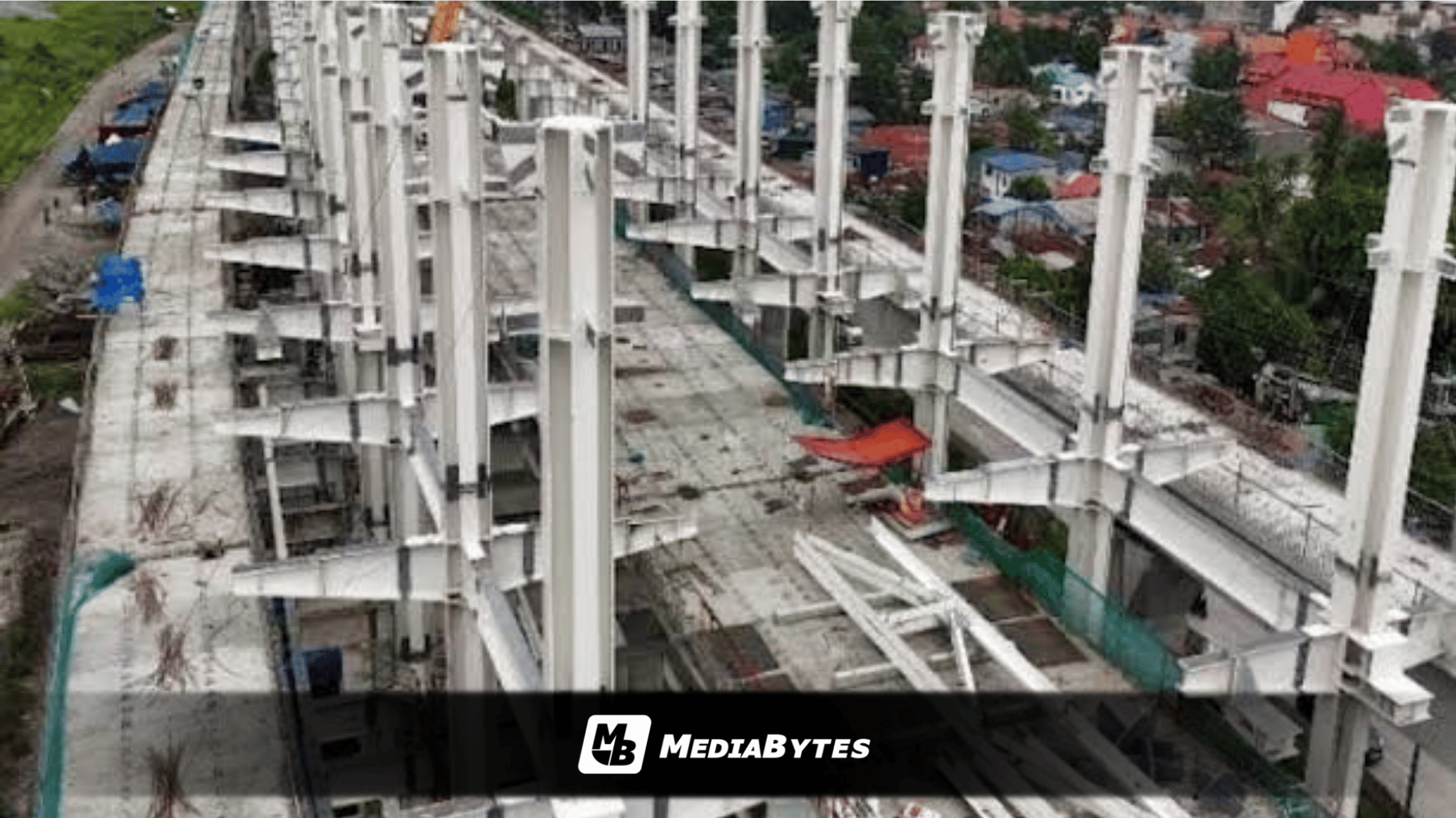
President Ferdinand Marcos Jr. has approved a revised schedule for the implementation of the North-South Commuter Railway (NSCR), with its first partial operation now targeted for December 2027, Malacañang said.
Communications Undersecretary and Palace Press Officer Claire Castro said the Economy and Development (ED) Council, chaired by Marcos, adjusted the project timeline to account for procurement difficulties, right-of-way concerns and the need to ensure prudent use of government funds.
“Nagkaroon ng kaunting pagbabago tungkol sa timeline, dahil alam naman natin na nagkaroon ng medyo pagtitipid, mag-iingat sa pondo ng bayan at nahirapan sa mga procurements and maliban pa diyan ay nagkakaroon ding isyu sa right of way,” Castro said during a Palace briefing on Thursday, September 17.
Under the revised schedule, the first partial operation of the NSCR is expected to begin in December 2027.
The second phase, covering the Malolos-Clark segment, is targeted for the fourth quarter of 2028. The third partial operation, covering Clark-Solis and Alabang-Calamba, is scheduled for the fourth quarter of 2031.
Full operation of the Clark-Calamba railway is targeted for the third quarter of 2033, Castro said.
She explained that the changes approved by the EDC primarily involve adjustments to the project timelines and, to some extent, its budget.
“So, usually ang mga amendments nito ay iyong mga timelines lang at medyo may pag-a-adjust din nang kaunti sa budget,” the Palace official said.
Castro also said other matters approved during the meeting were separate from the issue involving proposed guidelines for announcing class or work suspensions during adverse weather and other circumstances.
“So, iyong iba ay naaprubahan na, maliban nga doon sa isyu ng pagpapa-announce or paga-announce kung papaano kapag may ulan or mayroong mga ibang causes para ma-suspend ang classes or mga trabaho,” Castro added.
The NSCR was among several major government projects discussed during the EDC meeting.
Other items included public-private partnership projects such as the Mactan-Cebu International Airport PPP project, the Supporting Innovation in the Philippine Technical and Vocational Education and Training System Project, and the Road Network Development Project in conflict-affected areas in Mindanao.
The Department of Social Welfare and Development’s Reducing Food Insecurity and Undernutrition with Electronic Vouchers (REFUEL) Project was also discussed, along with the Department of Education’s proposal concerning the implementation of class suspensions.