


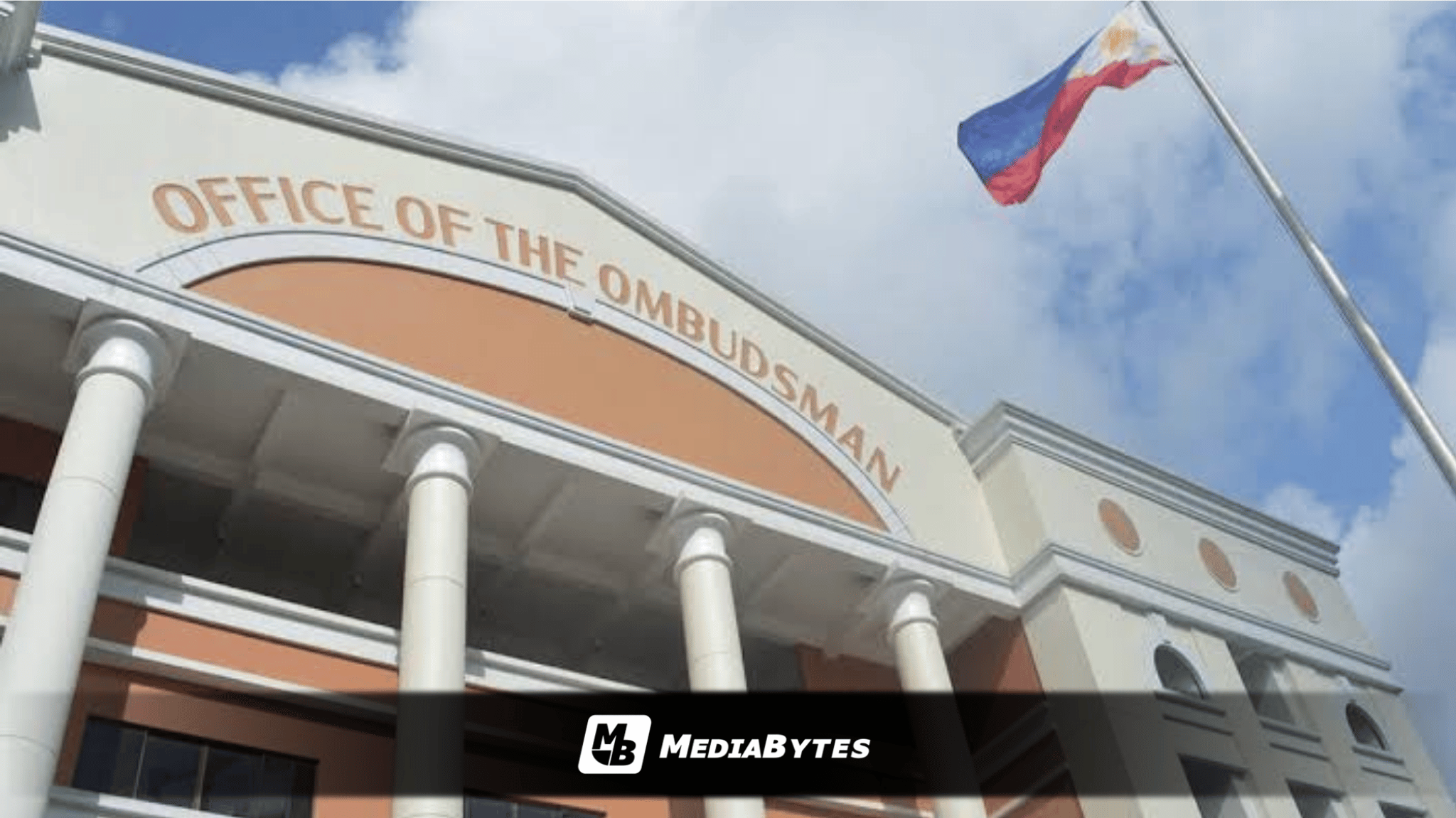
MANILA, Philippines — The Office of the Ombudsman and the Procurement Service of the Department of Budget and Management (PS-DBM) entered into a data-sharing agreement on Tuesday, establishing direct access to government procurement registries to accelerate graft investigations.
Ombudsman Jesus Crispin “Boying” Remulla explained that the partnership resolves longstanding administrative delays by replacing manual, written record requests with direct digital access.
”Until now, what an Ombudsman investigator needed, whether a big notice, a notice of a bar, a contract, or a supplier’s registration document, we had to write a letter,” Remulla said in a speech.
”Then we waited for times, waited for days, sometimes just weeks. And in an investigation, time matters. Documents are severe, memory is free, and respondents are able to prepare. So, we have to create only access,” he added.
Under the framework, investigators can review data logged in the Philippine Government Electronic Procurement System (PhilGEPS), including supplier filings and corporate ownership details.
”We will be able to see who registered as a supplier, what documents they submitted, and, importantly, who the beneficial owners behind corporate leaders are,” Remulla said.
Remulla noted that the system cuts processing times for acquiring crucial documents from several weeks down to a single afternoon.
”What used to take weeks of correspondence can now be done in an afternoon. But this agreement is more than about speed, it is about culture,” Remulla said.
Addressing common evasion tactics, Remulla pointed out how institutional silos previously allowed fraudulent entities to bypass detection through contract splitting or operating under multiple corporate identities.
”It is the contractor who wins under one company name today and another tomorrow. It is the official who splits a contract to avoid public bidding, counting on nobody putting the business together,” he said.
”It is the network of public corporations that all trace back to the same people. These schemes depend on distance, on the assumption that no one will connect the dots,” he added.
The agreement establishes strict protocols—including authorization, activity monitoring, and compliance with the Data Privacy Act—to prevent misuse or arbitrary inquiries.
”Let me also be clear about what this agreement is not. It is not a license to go fishing, to go on fishing expeditions,” he stressed.
Remulla added: “It is bound by the Data Privacy Act and the rules of the National Privacy Commission. We will use this access only for investigative investigation, prosecution and corruption prevention.”
The five-year arrangement also mandates a two-way information exchange, allowing the Ombudsman to provide systemic feedback to help the PS-DBM close regulatory loopholes.
”This is also a two-way approach. PS-DBM gives us access and in return, the Ombudsman commits to give feedback,” the Ombudsman said.
”Where we see inconsistencies in the data, where the system can be improved, or where the rules are being exploited, we do not want only to catch wrongdoing after the fact. Build a concurrent system where wrongdoing is harder to commit in the first place,” he added.
All retrieved data must be handled securely and archived or destroyed once no longer needed upon the agreement’s conclusion. Remulla framed the pact as a foundational step toward broader inter-agency data integration.
”This is a good day. But it is the beginning, not the end. The agreement itself says that API integration and the persistent linkages may follow. Let us not let this be the last step. Let us make data sharing between agencies the norm and not the exception,” he said.
”The Filipino people have waited long enough for a government that does not hide from them. Let us give them one.”