


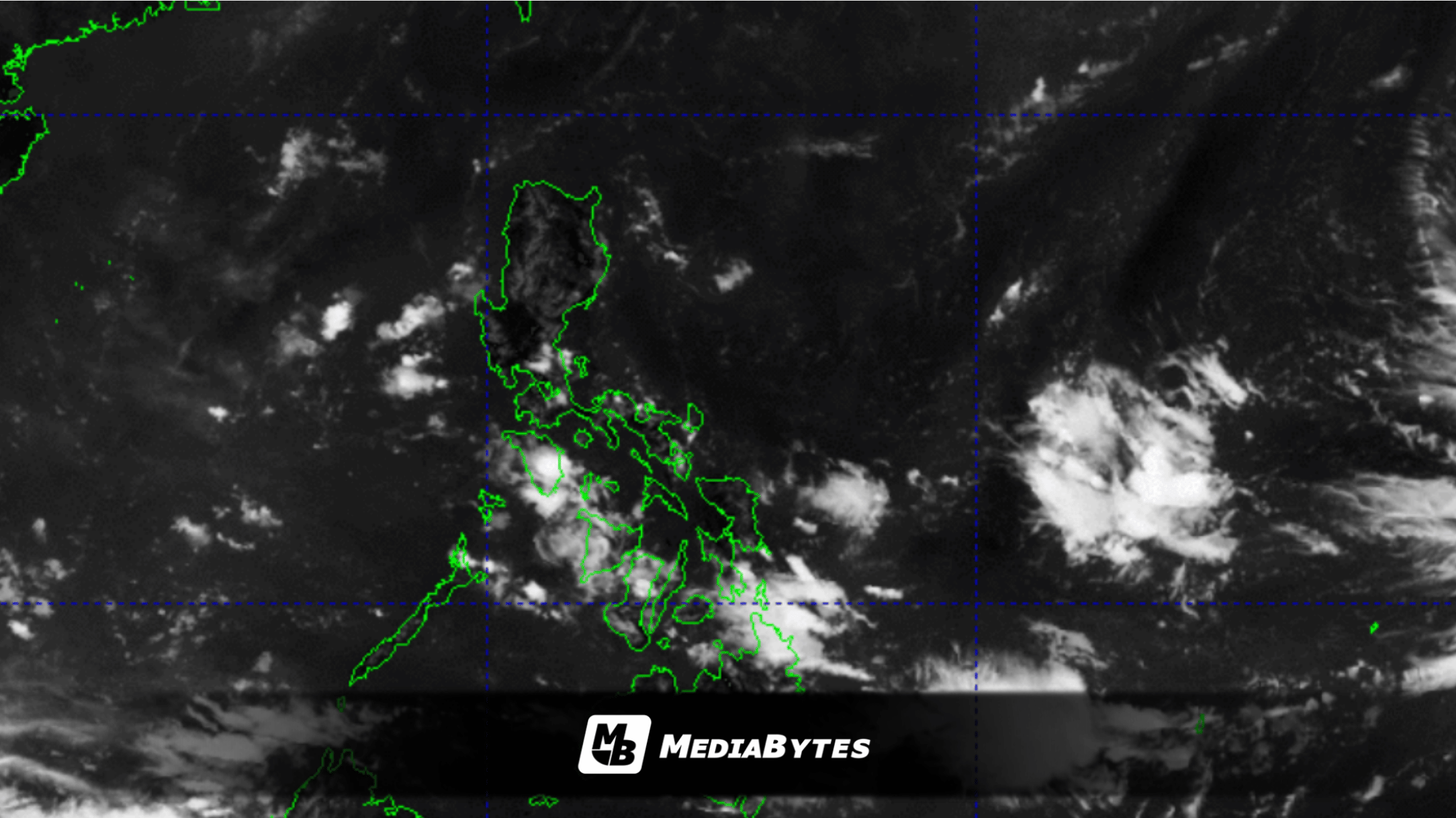
QUEZON CITY, Philippines — The southwest monsoon, locally known as habagat, is expected to draw to a close within the next few days, signaling a shift toward the cool northeast monsoon or amihan season, the state weather bureau announced Thursday, October 1.
Philippine Atmospheric, Geophysical and Astronomical Services Administration (PAGASA) weather specialist Leanne Loreto stated that the departure of the habagat marks the conclusion of the official rainy season, which will lead to reduced rainfall, particularly along the country’s western seaboard.
However, localized afternoon and evening thunderstorms are expected to become more prevalent during the upcoming transition phase.
“Pagtapos po ng ating habagat ay magsisimula na yung ating transition period towards the amihan o yung northeast monsoon natin. At itong northeast monsoon ay maaaring magsimula naman o yung onset nito ay posible sa pangalawang bahagi naman po ng buwan ng Oktubre,” Loreto said.
While the amihan traditional brings cooler and drier air, Loreto noted that temperatures during the upcoming season might not drop as significantly as in past years due to the ongoing El Niño phenomenon.
Even with the end of the southwest monsoon, weather systems such as the intertropical convergence zone (ITCZ), easterlies, and potential low-pressure areas (LPAs) are still expected to bring rains to parts of the archipelago.
Additionally, PAGASA projects one to two tropical cyclones to enter or develop within the Philippine Area of Responsibility during October. The next two storms on the official naming list will be designated as “Rosal” and “Samuel.”
Historical climatological data indicates that October cyclones carry a higher likelihood of hitting land across Luzon and the Visayas.
Nonetheless, Loreto emphasized that the prevailing climate pattern could alter storm activity.
“Dahil active ang ating El Niño at inaasahan pa natin na mas lalakas pa ito sa susunod na mga buwan ay maaaring maapektuhan nitong El Niño phase ang magiging kalagayan ng ating panahon and also yung mga frequency and behavior din ng ating bagyo,” Loreto added.