


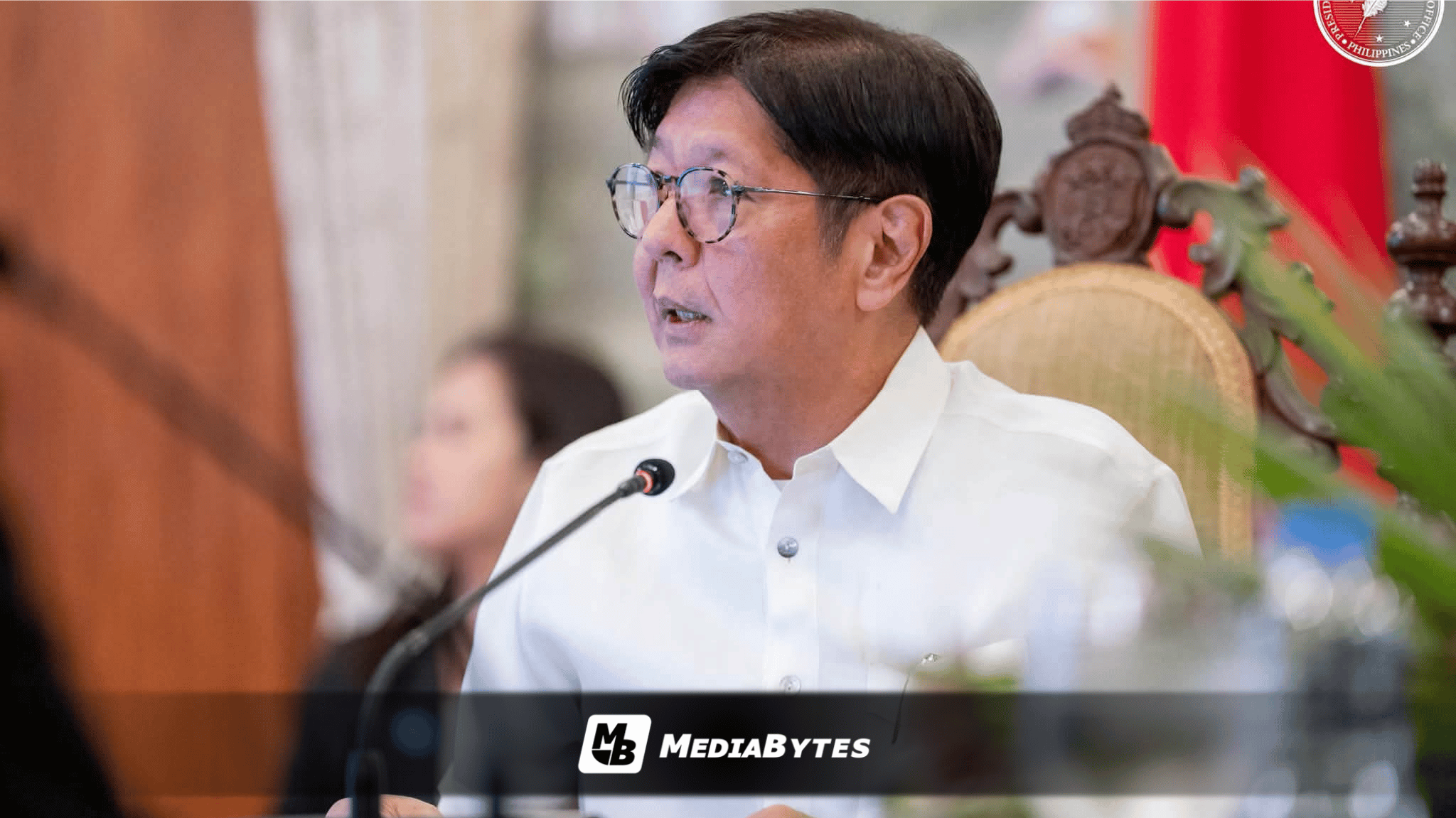
President Ferdinand Marcos Jr. is calling for enhanced protection across digital systems and online services to safeguard consumers, workers, and small businesses from escalating cyber threats.
During a meeting with the Private Sector Advisory Council (PSAC) Digital Infrastructure Sector Group at Malacañang on November 3, strengthening cybersecurity emerged as a primary focus.
According to the Presidential Communications Office (PCO), the administration views digital security as a foundational element of the country’s growing digital economy.
“The President considers digital security an essential component of the country’s expanding digital economy as more Filipinos increasingly depend on internet-based platforms for banking, commerce, education and government transactions,” the PCO stated.
Protecting MSMEs and Boosting Confidence
Micro, small, and medium enterprises (MSMEs) received particular attention, as many small business owners rely on electronic payments and online marketplaces to expand. The administration believes that bolstering digital defenses will encourage higher participation in online commerce.


Marcos emphasized that a secure digital environment allows citizens to utilize online banking, pay bills, and access public services safely.
“The President wants Filipinos to feel more confident using digital banking platforms, paying bills, selling products, and conducting other transactions online,” the PCO noted.
To address connectivity gaps—particularly in remote regions—the President is personally reviewing the Bayanihan SIM Project and seeking deeper private-sector collaboration to expand nationwide digital infrastructure.
Furthermore, the administration is exploring emerging sectors, such as the space economy, to create domestic career opportunities for skilled Filipino professionals.
Streamlining Government Services
In tandem with security improvements, President Marcos directed the Department of Information and Communication Technology (DICT) to deliver affordable, reliable, and fast internet connectivity to support an integrated e-governance platform.


DICT Secretary Robert Joseph de Claro explained that the e-government system aims to unify frontline services, reducing bureaucratic delays and long queues. This includes streamlining SSS death and funeral benefit applications by integrating records with the Philippine Statistics Authority (PSA) and local civil registries.
“Ngayon, dahil nandoon na sa eGov ang civil registry, and since SSS nasa eGov na rin, and part of the 40 agencies na nasa loob ng ating eGov, itong serbisyong ito, hindi na ito pangarap,” de Claro said.
The integration will also simplify business registration for local and foreign investors. Instead of dealing separately with agencies like the Securities and Exchange Commission (SEC) or the Department of Trade and Industry (DTI), business owners can use a single platform that shares data with the SSS, PhilHealth, and the Pag-IBIG Fund.
“Yun talaga ang tinutumbok nito, na bawasan natin ang pila, bawasan ang interaction, and through the eGov system, mas mapapabilis at mapapalapit natin ang gobyerno sa ating mga mamamayan,” de Claro added.