


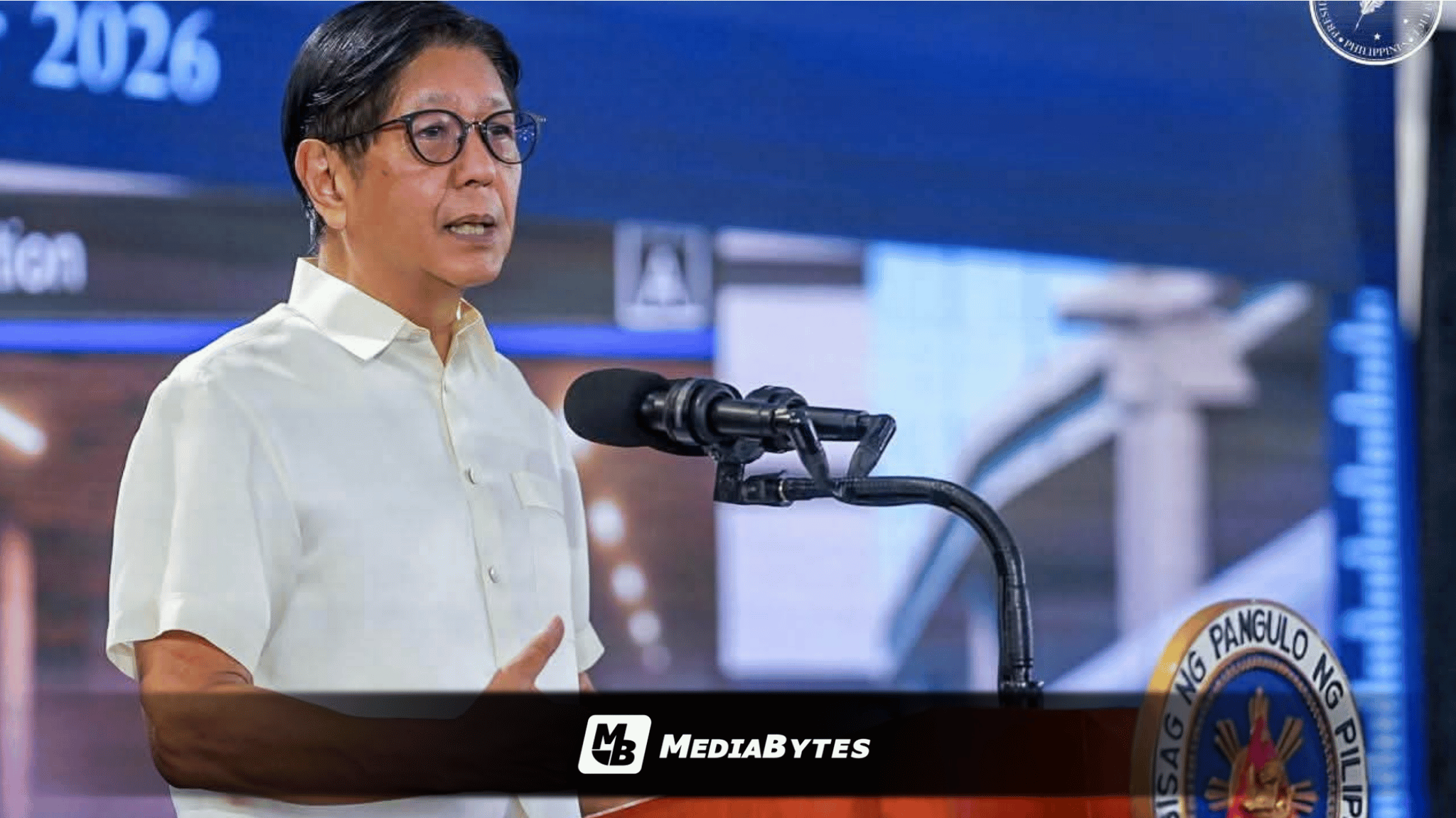
Malacañang said President Ferdinand Marcos Jr. is prepared to act immediately once the government’s economic managers submit their recommendation on possible fuel excise tax relief following the Department of Energy’s certification that Dubai crude prices have remained above the $80-per-barrel threshold.
Palace Press Officer and Communications Undersecretary Claire Castro said the President would promptly act on whatever recommendation is eventually presented, citing the need for an immediate government response to elevated oil prices.
“Alam po naman natin na lahat ng kailangang aksyunan agad ay mabilis naman pong umaksyon ang ating Pangulo depende na po iyan kung ano po ang magiging rekomendasyon,” Castro said during a Palace briefing on Wednesday, September 16.
“Kapag nandiyan na po ang rekomendasyon umaaksiyon naman agad ang ating Pangulo,” she added.
The DOE formally certified on September 15 that the average price of Dubai crude reached $99.41 per barrel from August 13 to September 11, exceeding the $80 threshold required under Republic Act No. 12316 for the possible suspension or reduction of petroleum excise taxes. The certification was transmitted to the Development Budget Coordination Committee (DBCC) for consideration.
Under RA 12316, the President may suspend or reduce excise taxes on specific petroleum products upon the recommendation of the DBCC, in coordination with the Energy Department. The measure may be implemented for up to three months.
Marcos had earlier sought authority to use the mechanism amid rising international oil prices.
He eventually signed RA 12316 into law, giving the executive branch the authority to temporarily suspend or reduce fuel excise taxes when the prescribed crude price condition is met.
The President previously exercised the authority in April by suspending excise taxes on liquefied petroleum gas (LPG) and kerosene after the required crude oil price trigger was reached.
Castro also emphasized that maintaining an adequate fuel supply remains a priority of the administration. She said Marcos wants to ensure that the country does not run short of crude oil, warning that supply disruptions could affect businesses, employment and the daily activities of Filipinos.
“Iyan po ang nais ng Pangulo hindi mawalan ng suplay ng krudo sa ating bansa. Kapag nawalan ng suplay ng krudo kahit napakababa ng presyo nito hindi po magtutuluy-tuloy ang buhay ng bawat Pilipino – mawawalan ng negosyo, mawawalan ng trabaho. So, ang kailangan po talaga sapat na suplay ng krudo sa bansa,” Castro said.
The DOE has separately assured that the country continues to have sufficient petroleum inventories despite the sustained increase in global oil prices.
As of Wednesday, the DBCC had yet to issue its final evaluation and recommendation on what specific fuel tax measures should be proposed to the President.
The certification, however, has completed a key requirement under the law for the government to consider such relief.