


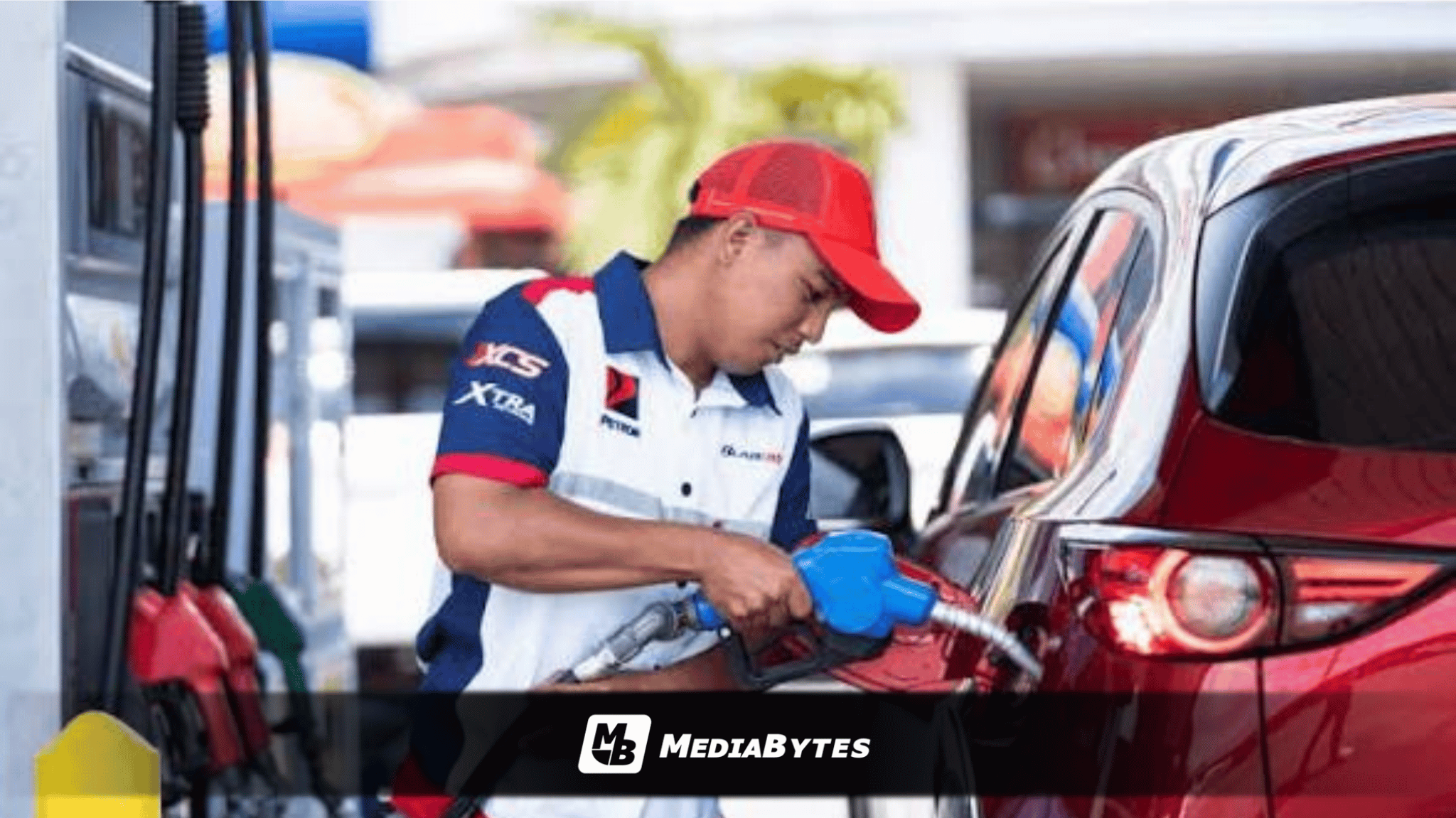
Petron Corporation reported a 44% year-on-year drop in net income to ₱5.4 billion for the first nine months of 2026, down from ₱9.7 billion during the same period last year, due to escalating crude oil prices and market volatility stemming from the Middle East conflict.
In a disclosure to the Philippine Stock Exchange (PSE) on Tuesday, November 3, the oil company attributed the profit decline to disruptions caused by the United States-Iran war, which strained global oil trade flows and economic growth in the third quarter.
Benchmark Dubai crude prices climbed from an average of $77 per barrel in July to $114 per barrel in September, driving the nine-month average to $92 per barrel—a 29% increase from the previous year.
Despite the margin pressure from rising crude costs, import premiums, and freight expenses, Petron’s consolidated sales volume grew by 3% to 103.5 million barrels. This was supported by a 33% increase in sales from its Singapore-based trading arm, alongside retail volume growth of 16% in the Philippines and 2% in Malaysia.
However, combined sales volumes in the domestic Philippine and Malaysian markets slipped by 3% to 82 million barrels due to constrained refinery production. Overall revenues climbed 56% to ₱928.2 billion, while operating income fell 28% to ₱19.1 billion.
Refining margins in Malaysia remained constrained by the ongoing unavailability of the Port Dickson product jetty, which was damaged by Tropical Storm Senyar nearly a year ago. Petron Malaysia expects to commission a replacement jetty in the first quarter of 2027.
Looking ahead, Petron plans to expand its retail network, enhance storage and distribution facilities, and grow its non-fuel operations, which recently included the opening of its fourth Treats convenience store at the Ninoy Aquino International Airport (NAIA).
Despite external hurdles, Petron Chairman and Chief Executive Officer Ramon S. Ang expressed confidence in the company’s resilience.
”Our diversified portfolio, financial discipline, and robust risk management equip us with the resilience needed to navigate these challenging times, while still keeping our business viable and competitive. Despite external pressures, our commitment to help ensure fuel security, meet the needs of our customers, and fulfill our responsibility as the nation’s energy backbone remains strong and unwavering,” Ang said.