


MANILA, Philippines — Malacañang has reassured the public that Philippine health officials are actively tracking a potential pneumonic plague case in Russia and stand prepared to implement further safety measures should conditions require them.
During a media briefing in Singapore on Wednesday, October 7, Communications Undersecretary and Palace Press Officer Claire Castro affirmed that the Department of Health (DOH) is keeping a close watch on the situation and is carefully following guidelines set by the World Health Organization (WHO).
“So rest assured po, ang mga kababayan natin po na nakatutok po ang DOH at kung anuman po ang kinakailangan pang gawin, iyon po ay kanilang gagawin,” she said.
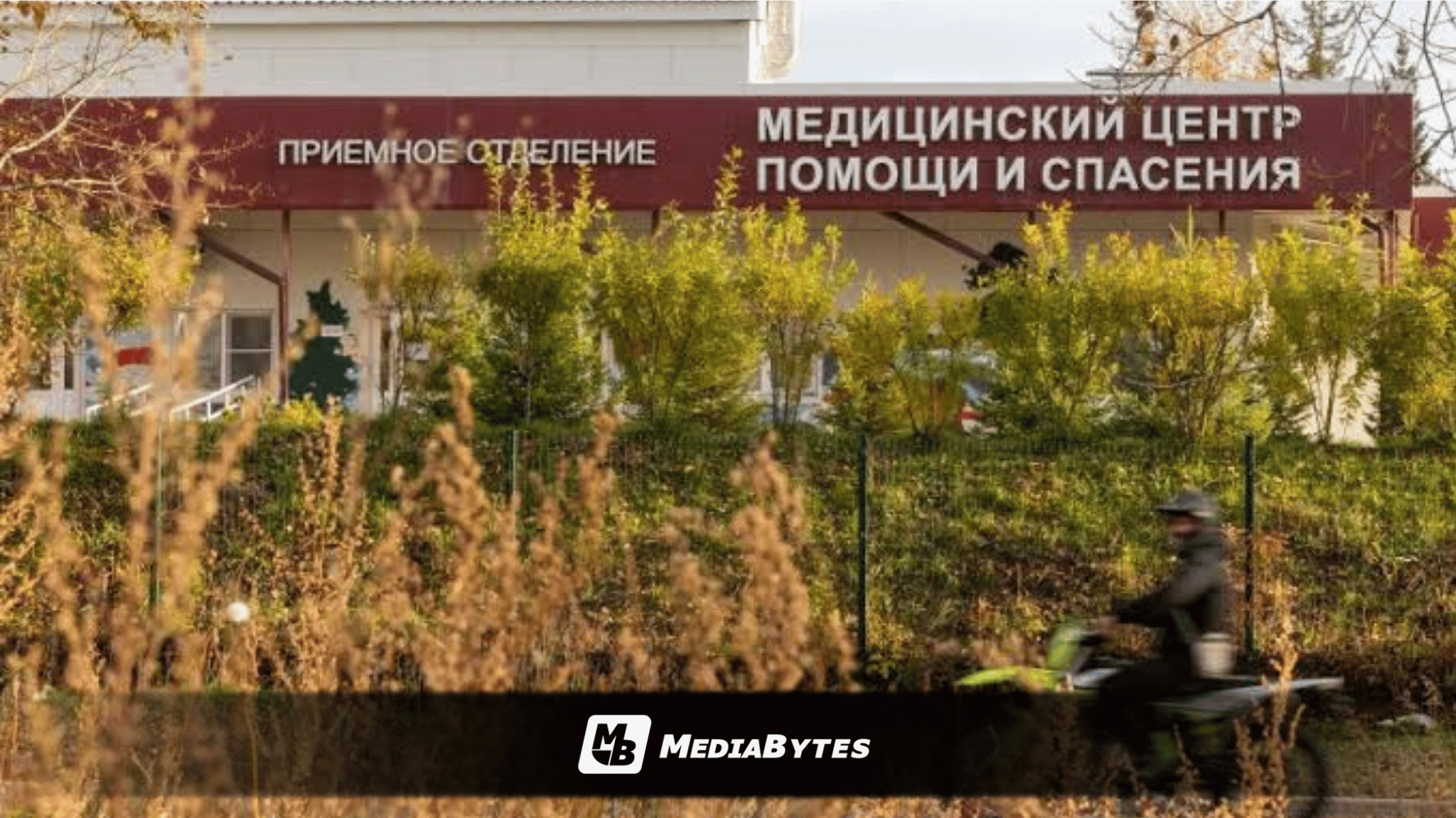
The Palace statement follows the October 2 death of an employee at the Irkutsk Anti-Plague Research Institute in Siberia, who developed acute pneumonia before passing away. Russian health officials subsequently launched an inquiry to determine if pneumonic plague caused her death.
In response, Russian authorities identified and placed individuals who had interacted with the deceased under health surveillance. To date, no confirmed cases of plague have been detected among those being monitored.
The WHO noted that official laboratory analyses are still ongoing to establish the precise cause of death. The global health agency confirmed that identified contacts remain under medical observation and have shown no symptoms.
Based on current findings, the WHO assessed the health risk to the wider public as low while investigations proceed.
Plague is an infectious disease driven by the Yersinia pestis bacterium, typically harbored in animal populations and transmitted to humans via flea bites.
The infection manifests in various forms. Bubonic plague causes sudden onset of fever, chills, body aches, weakness, nausea, and swollen, painful lymph nodes. Pneumonic plague directly attacks the respiratory system, leading to severe illness marked by breathing difficulties and coughing up blood-tinged sputum.
Though the WHO warned that plague can quickly become severe or fatal if left untreated, prompt administration of antibiotics and supportive care yields high treatment efficacy. Pneumonic plague requires urgent therapeutic action due to its rapid clinical progression.
Both Russian authorities and the WHO have yet to officially confirm any plague diagnosis connected to the incident as the investigation into the laboratory worker’s death continues.