


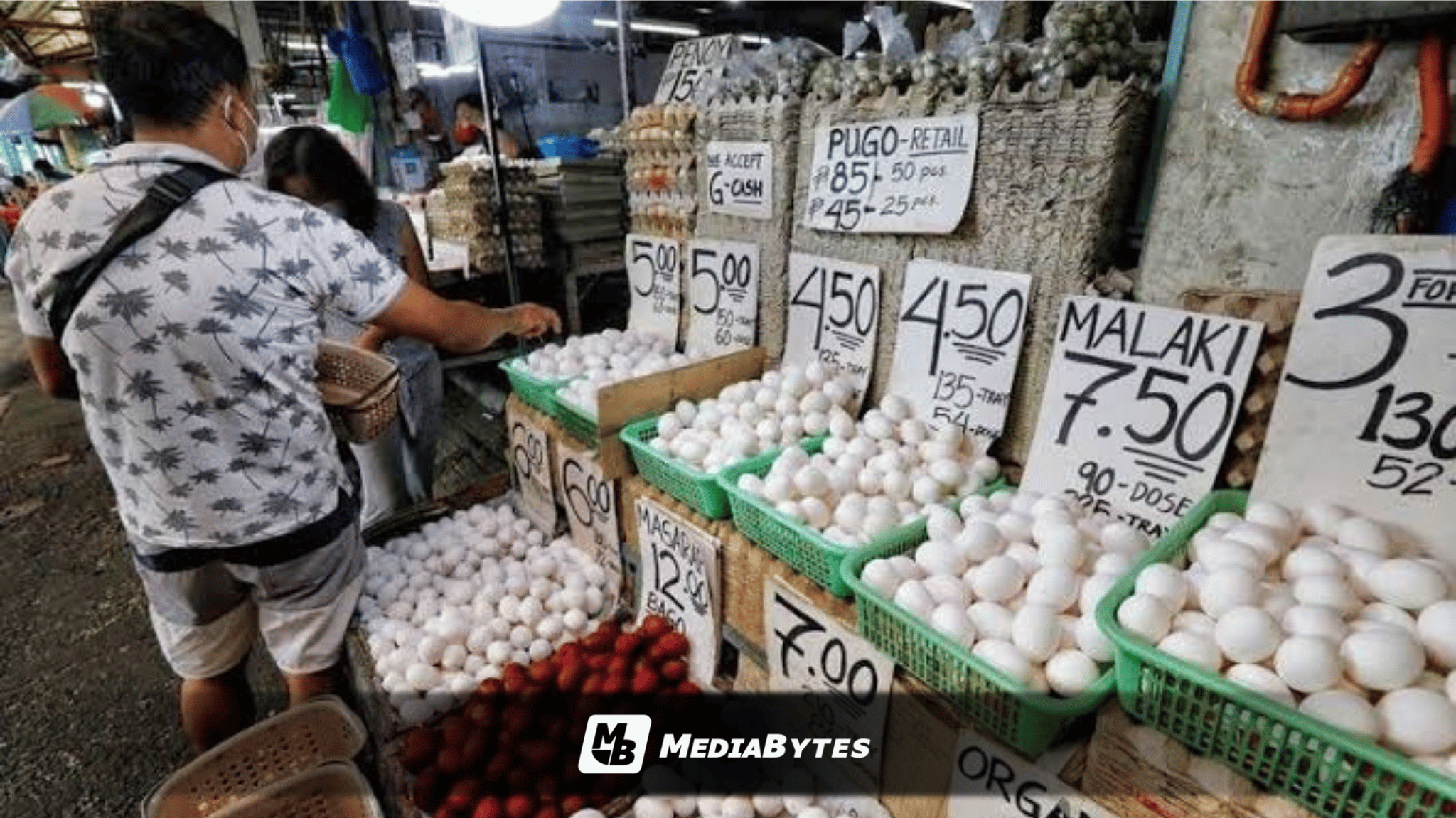
MANILA, Philippines — Philippine inflation quickened to 7.8 percent in October, marking the fastest rate of consumer price growth in over three years, driven primarily by surging transport costs and higher electricity and housing expenses.
The latest Philippine Statistics Authority (PSA) data released on Thursday, Nov. 5, showed that October’s inflation rate was the highest since February 2023’s 8.6 percent, moving further away from the government’s target range of two to four percent.
National Statistician Claire Dennis Mapa reported that headline inflation averaged 5.6 percent for the first 10 months of the year.
The sharp acceleration was led by transport inflation, which jumped to 20.1 percent from 14.6 percent in September, fueled largely by public transport fare adjustments for jeepneys and tricycles implemented late September.
“[What] contributed significantly for this month of October versus September is the passenger transport by road, which are fare prices in jeepneys and tricycles,” Mapa said during a press conference.
Housing, water, electricity, gas, and other fuels also pressured consumer wallets, with inflation in this category rising to 9.3 percent from 8.4 percent. Meanwhile, food and non-alcoholic beverage inflation moderated slightly to 6.1 percent from 6.7 percent, helped by slower price increases for fish and vegetables.
However, rice inflation remained stubbornly high, accelerating to 20.7 percent—its highest level since July 2024.
The impact of the price surge hit vulnerable populations hardest. Inflation for the country’s bottom 30 percent of income households climbed to 9.5 percent, with their average inflation rate reaching 6.8 percent over the first 10 months. Consequently, the purchasing power of the peso dropped to a new record low of 72 centavos relative to its 2018 value.
To counter mounting price pressures, the Department of Economy, Planning, and Development (DEPDev) announced that the government is scaling up agricultural support, accelerating domestic food production, and deploying billions in targeted subsidies for farmers, fisherfolk, and transport workers.
“We will continue strengthening targeted interventions that support producers, improve supply, and provide relief to vulnerable sectors,” DEPDev Secretary Arsenio Balisacan said.
“By improving agricultural productivity and logistics and addressing constraints in food and energy supply, we can ease price pressures, protect purchasing power, and build greater resilience against external shocks,” he added.