


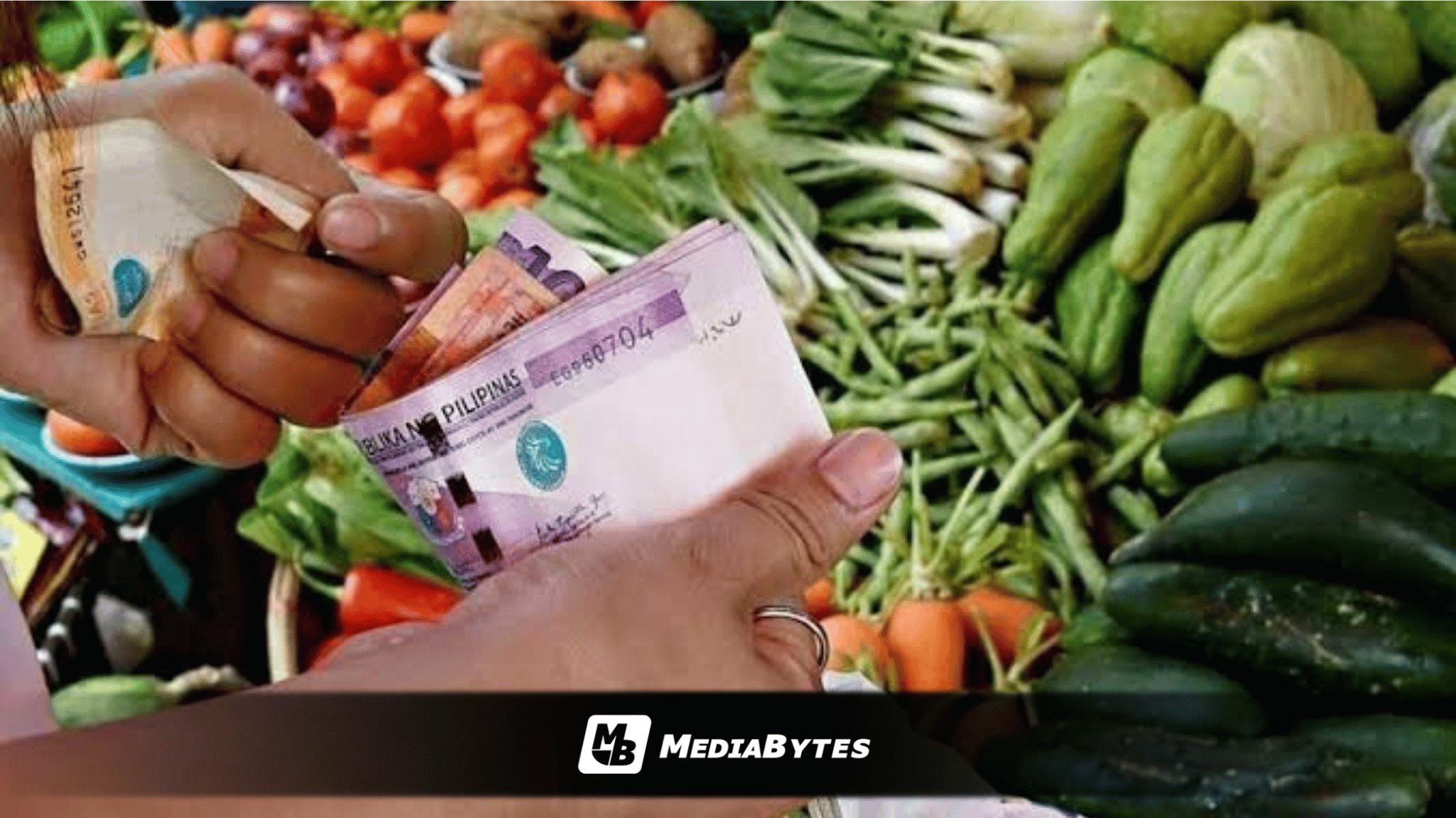
MANILA, Philippines — Consumer price growth in the Philippines accelerated to 7.2 percent in September, matching a five-month peak last recorded during the onset of the US-Iran conflict in April due to sustained increases in food, electricity, and fuel costs.
Data released Tuesday, October 6, by the Philippine Statistics Authority (PSA) showed headline inflation snapping a four-month period of deceleration from August’s 6.1 percent mark. The primary drivers behind the September spike were food and non-alcoholic beverages, which contributed 2.6 percentage points, alongside housing and utilities (1.7 percentage points) and transport (1.3 percentage points).
“September’s inflation rise was driven mainly by disruptions in food supply caused by adverse weather and higher global oil prices,” said Department of Economy, Planning, and Development (DEPDev) Secretary Arsenio Balisacan.
National Statistician Claire Dennis Mapa noted in a media briefing that the year-to-date average inflation stands at 5.4 percent. The September figure marks the sixth consecutive month where overall inflation exceeded the Bangko Sentral ng Pilipinas’ target range of 2 to 4 percent.
Core inflation, which excludes volatile food and energy costs, also picked up to 4.7 percent in September from 4.1 percent in August, reaching its highest point since October 2023. Mapa highlighted the unusual broad-based nature of the increases across nearly all consumer categories, which could persist into the fourth quarter.
“There are many risks. First, the increases are widespread month-on-month. We’re seeing a trend of 11 out of 13 commodity groups. These are rare events,” Mapa said.
“We saw that even in the geographical areas, our regions, 16 out of 18 regions, our inflation rate increased month-on-month,” Mapa added.
Inflation in Metro Manila rose to 5.4 percent in September from 4.1 percent in August. Regions outside the National Capital Region experienced a similar trend, with prices climbing to 7.6 percent from 6.6 percent in the previous month.
The lower-income segment was hit hardest, with inflation for the bottom 30 percent income households jumping to 9 percent in September from 8.2 percent in August. Food and non-alcoholic beverages accounted for 55.7 percent of the price pressures felt by this demographic.
The purchasing power of the Philippine peso remained at its historic low of ₱0.73, matching levels seen in April and August.
In response, the government announced interventions, including the temporary suspension of excise taxes on liquefied petroleum gas (LPG) and kerosene, alongside agricultural support measures to prepare for potential drought conditions.
“The best response to supply-driven inflation is to strengthen supply itself,” Balisacan said. “That is why we are expanding food production and storage, improving logistics, and building resilience against climate shocks.”
“These investments address the root causes of price pressures and will deliver a more stable and affordable food supply in the years ahead,” Balisacan added.