


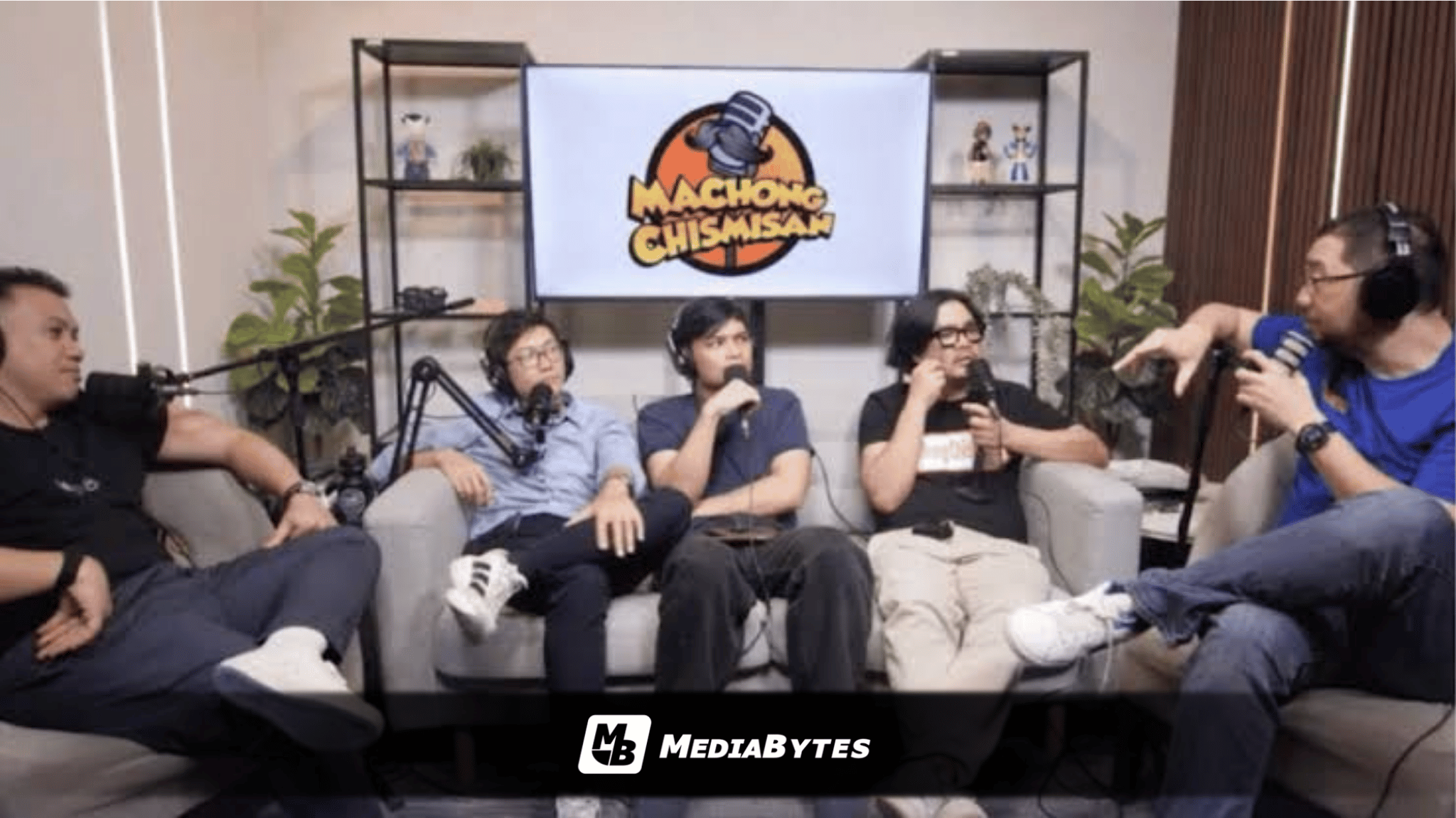
MANILA — Following widespread public backlash over a viral podcast episode that mocked a celebrity’s son with a disability, the Philippine National Police (PNP) ordered all its units nationwide on Friday, October 16, to intensify public education on disability rights.
PNP Chief General Jose Melencio Nartatez Jr. warned that public mockery targeting persons with disabilities (PWDs) can trigger legal penalties, emphasizing that constitutional free speech does not protect actions that degrade human dignity.
“Disability should never be a reason to ridicule, humiliate, or diminish another person’s dignity. We remind everyone that freedom of expression comes with responsibility, and conduct that violates the rights of persons with disabilities may carry legal consequences,” Nartatez stated.
The national police chief’s directive stems from an October 5 podcast episode that sparked intense condemnation from lawmakers, celebrities, and advocacy organizations due to the hosts’ derogatory comments about a television personality’s child. Following the massive outcry, the episode was taken down, and the podcast management released a public apology.
Nartatez highlighted Republic Act No. 7277, also known as the Magna Carta for Persons with Disability, as amended by Republic Act No. 9442. The legislation explicitly shields PWDs from public ridicule, vilification, and degrading treatment.
Nevertheless, the PNP chief clarified that evaluating whether specific online statements constitute a legal violation relies heavily on the specific context and gathered evidence.
In the wake of the controversy, Nartatez instructed law enforcement formations across the country to actively promote public awareness regarding disability rights and existing legal protections.
He reiterated that the police force remains committed to safeguarding free expression while simultaneously defending the rights of vulnerable sectors.
“The PNP upholds both freedom of expression and the equal dignity of every Filipino. We will enforce the law fairly and without prejudice, ensuring that legitimate commentary is respected while conduct that violates the rights of persons with disabilities is addressed through due process,” he added.