


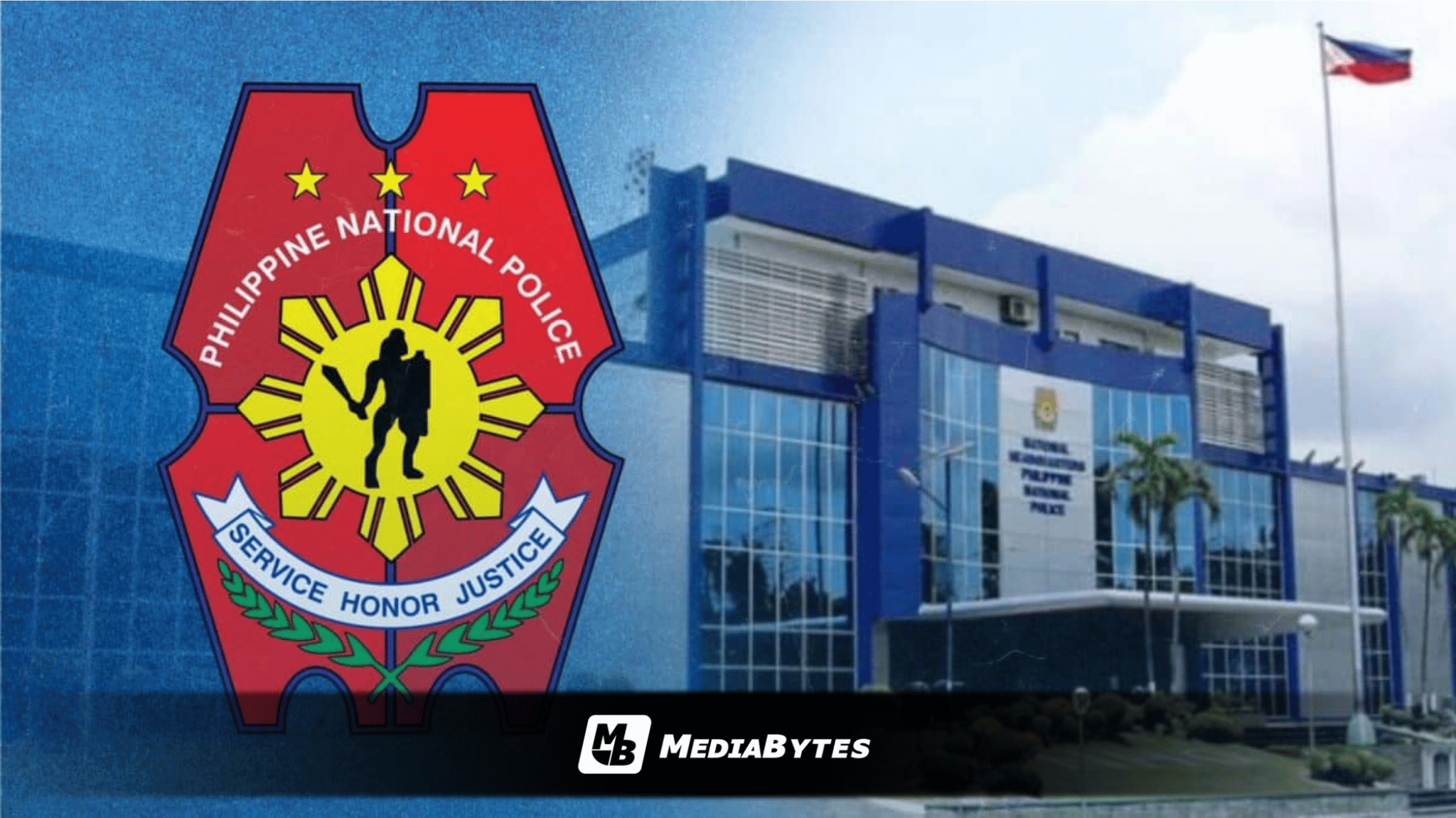
MANILA — The Philippine National Police (PNP) is set to review its existing protocols for deploying security aides to ensure officers are not assigned to duties outside their official mandates.
The upcoming evaluation includes regular monitoring mechanisms to guarantee that deployed security details strictly adhere to internal rules and regulations, protecting the institutional integrity and professionalism of the police force.
PNP Chief General Jose Melencio Nartatez Jr. stated that the initiative is designed to reinforce the professional boundaries of officers assigned to safeguard politicians, business figures, and other high-profile personalities.
“Our officers are trained protectors of human life and public safety, not personal errand boys or logistics aides for private errands. I remind all personnel that your loyalty belongs to the Constitution, the people, and the PNP. You must never allow your uniform to be degraded by tasks outside your legal mandate,” Nartatez said.
The policy reassessment comes in response to growing concerns over police personnel performing non-security tasks for the figures they protect, a topic brought to light by recent judicial testimonies regarding a controversial figure.
During ongoing investigations and court proceedings related to a flood control controversy, reports and admissions surfaced indicating that security escorts assigned to a former congressman were allegedly utilized to transport suitcases containing substantial sums of money.
Nartatez stressed that this incident underscores the critical need to preserve strict operational boundaries between legitimate law enforcement duties and tasks unrelated to protection work.
“I direct all police security details to remain within the bounds of their official duties, exercise sound judgment, and uphold the highest standards of professionalism and integrity,” Nartatez said, adding that “their actions must always be anchored on the law and their sworn duty, not on the personal demands of the individuals they protect.”