


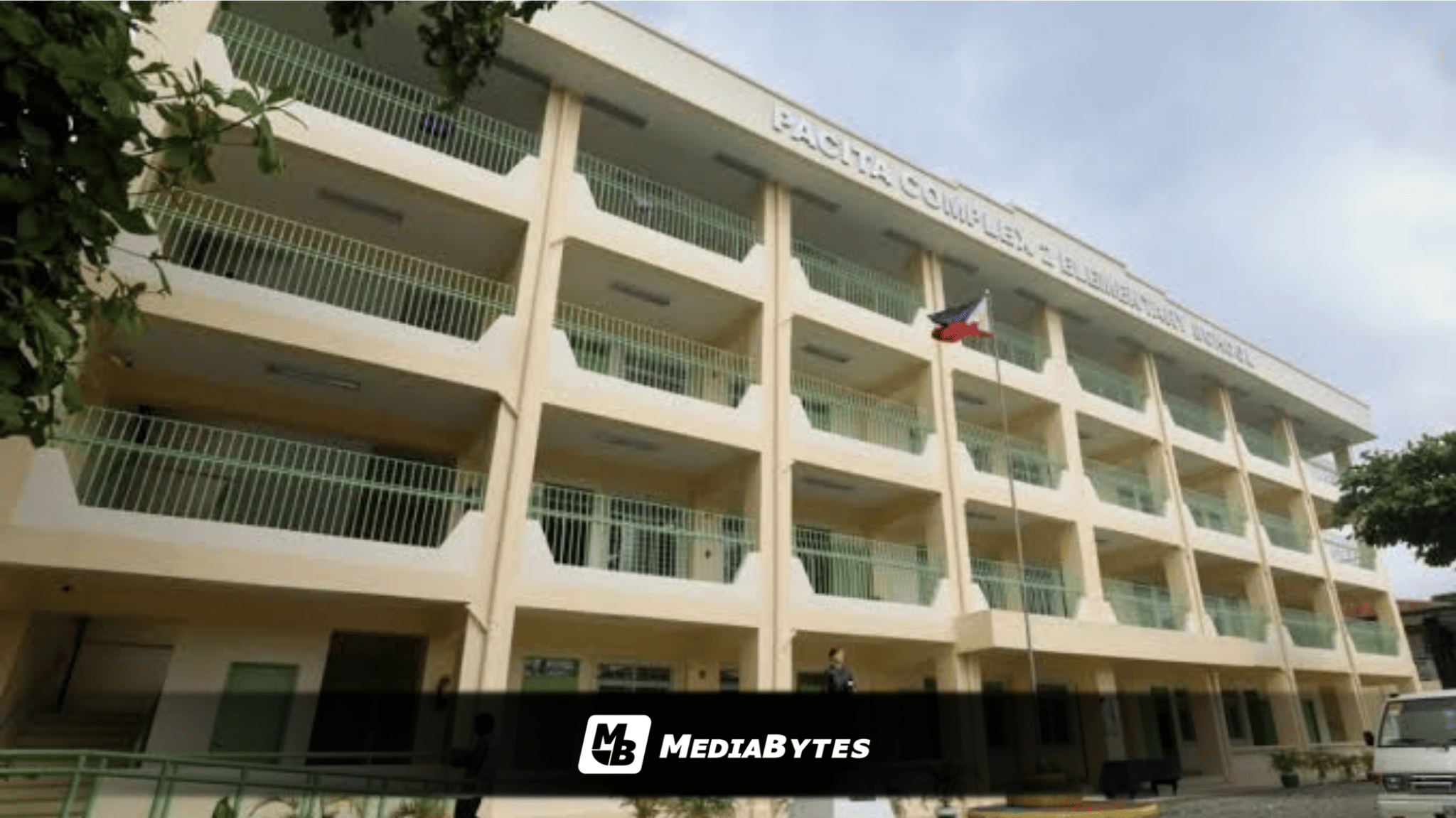
Schools nationwide are proactively adjusting their infrastructure and learning frameworks as the Philippines prepares for a Super El Niño, prompting the Department of Education (DepEd) to roll out stricter heat safety protocols.
In Mandaluyong City, local educational institutions are already reviewing electrical capacities, water resources, and energy usage. Grade School Principal Lincoln Ariz noted that campus leadership and community stakeholders are actively mitigating potential vulnerabilities.
“Everything is affected when there is El Niño,” Ariz remarked.
While air-conditioned classrooms provide immediate relief, school administrators are conducting thorough inspections of structural facilities and electrical systems to handle extreme thermal loads safely. To manage rising utility expenses, the campus has initiated power-saving protocols—such as powering down unused appliances, cutting off idle electrical equipment, and concentrating learning sessions into designated, cooled areas.
Leadership is also exploring long-term infrastructure shifts, including solar energy adoption to stabilize power costs and secure backup supplies during outages.
“We need to be proactive, that when something like, for example, this calamity strikes in, we need to be ready as a school, and therefore, we need to conserve,” Ariz explained.
New Heat Index Classification System
Under DepEd Memorandum No. 064, s. 2026, the agency established a four-tier heat index framework to direct operational adjustments:
- HAYO (Below 27°C): Normal face-to-face classes proceed with standard safety measures.
- HINAY (27°C to 32°C): Schools may shorten classroom hours or adopt hybrid and home-based modalities.
- HINGA (33°C to 41°C): Face-to-face instruction is suspended, shifting students toward alternative learning tasks.
- HINTO (42°C and Above): All educational activities, including online and remote modules, are completely halted.
Institutions are required to track temperature and humidity metrics thrice daily—specifically at 8 a.m., 12 p.m., and 2 p.m. While principals retain autonomous authority to halt classes early for student safety, the department strictly prohibits passing down gadget, internet, or cooling equipment expenses to parents.
Ariz confirmed that their institution remains fully prepared to pivot to existing digital platforms whenever necessary.
“If there is a need for us to resort to online, we are ready for that,” he stated.
Teacher Associations Call for Systemic Infrastructure Fixes
Despite the introduction of the new monitoring protocols, the Alliance of Concerned Teachers (ACT) Philippines criticized the policy for offering temporary fixes rather than long-term infrastructure investments.
ACT Representative Ruby Bernardo argued that reliance on class suspensions fails to resolve structural defects within public education.
“Talagang kapos at kulang ‘yung inilabas na guidelines ng DepEd na ito,” Bernardo asserted.
The group raised concerns over limited stakeholder consultations and warned that remote learning could inadvertently burden families lacking reliable devices or steady internet access.
ACT called for increased capital allocations, upgraded ventilation, reliable water storage facilities, and resilient classroom construction to prevent ongoing disruptions to student learning.