


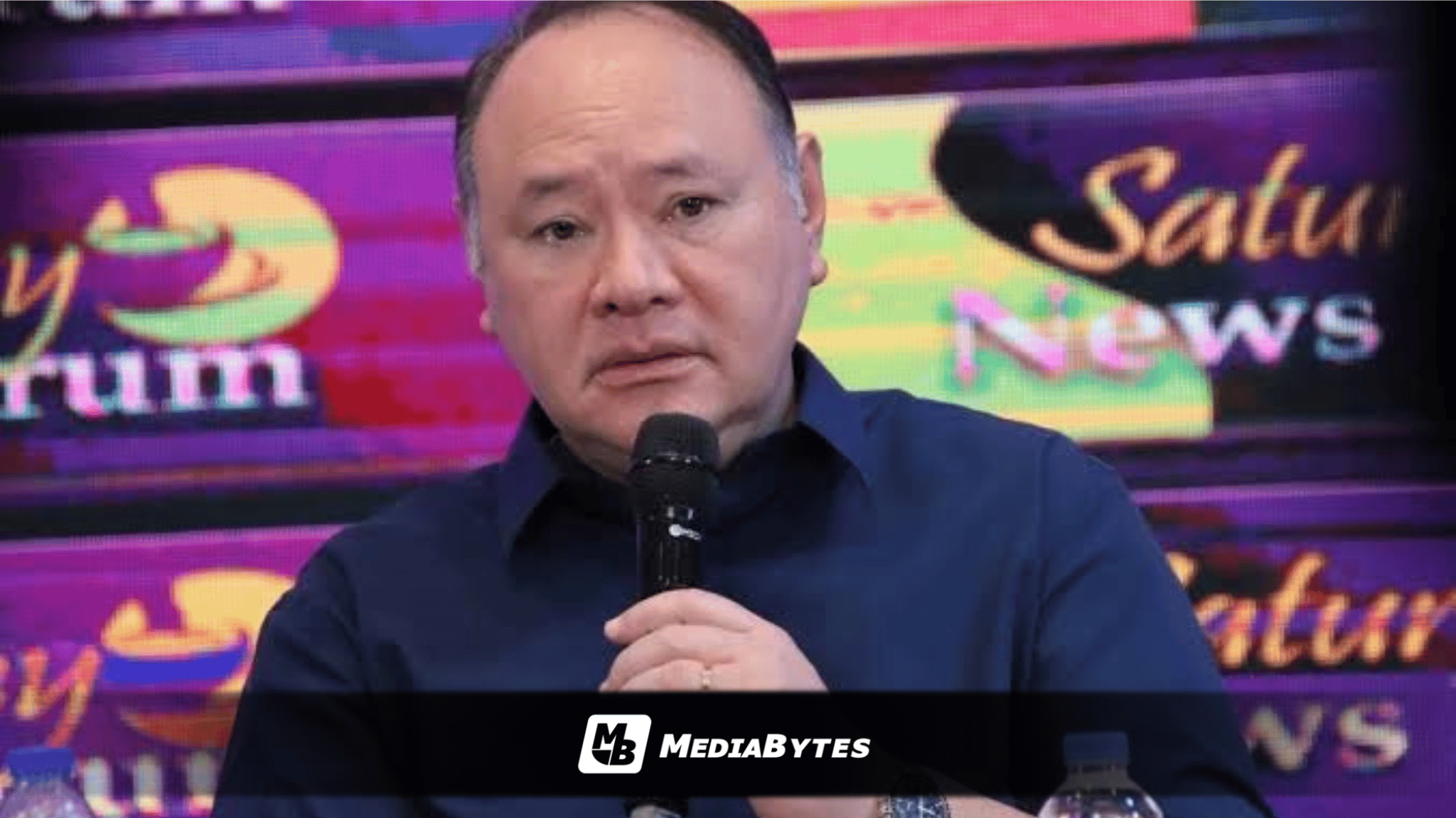
Defense Secretary Gilberto “Gibo” Teodoro Jr. has defended the Philippines’ public statements regarding the West Philippine Sea, dismissing appeals from various coalitions asking Manila to soften its stance against Beijing.
Responding to business groups that urged restraint to protect economic ties, Teodoro stated that calls for moderation should be directed toward China instead.
“Who should they be telling that to? We are only standing by the truth and transparency,” Teodoro said during a radio interview.
He questioned the timing and selectivity of the groups’ concerns, noting a previous lack of public statements regarding other issues connected to Chinese interests, such as illegal scam hubs, Philippine offshore gaming operators (POGOs), and the entry of low-grade steel.
“Why did we not hear these statements before when POGOs became widespread here, when substandard steel was brought into the country, and when scam hubs emerged?” he asked.
“If their intention is to stop the Philippines from standing up for itself in the West Philippine Sea, they should say so directly,” he added.
Teodoro’s remarks come in response to a joint statement issued by 22 organizations—including labor, educational, agricultural, and major business groups like the Philippine Chamber of Commerce and Industry and the Federation of Filipino-Chinese Chambers of Commerce and Industry Inc.
The coalitions had advocated for calibrated diplomacy and continuous dialogue, warning that escalating rhetoric could negatively impact trade, investments, energy sectors, and overseas Filipino workers in China, Hong Kong, and Macao.
Despite these concerns, Teodoro emphasized that economic stability should not override national sovereignty. He urged local industries to view current tensions as an opportunity to lessen external reliance by strengthening domestic supply chains, supporting micro, small, and medium enterprises (MSMEs), and building independent industrial capabilities.
“This should strengthen our supply chain resilience, diversify our supply chains, and strengthen our industries so they can serve as bridges to genuine prosperity for the country and capital formation, instead of merely producing consumer goods. We should also develop real industries that can support our micro, small, and medium enterprises,” he stated.