


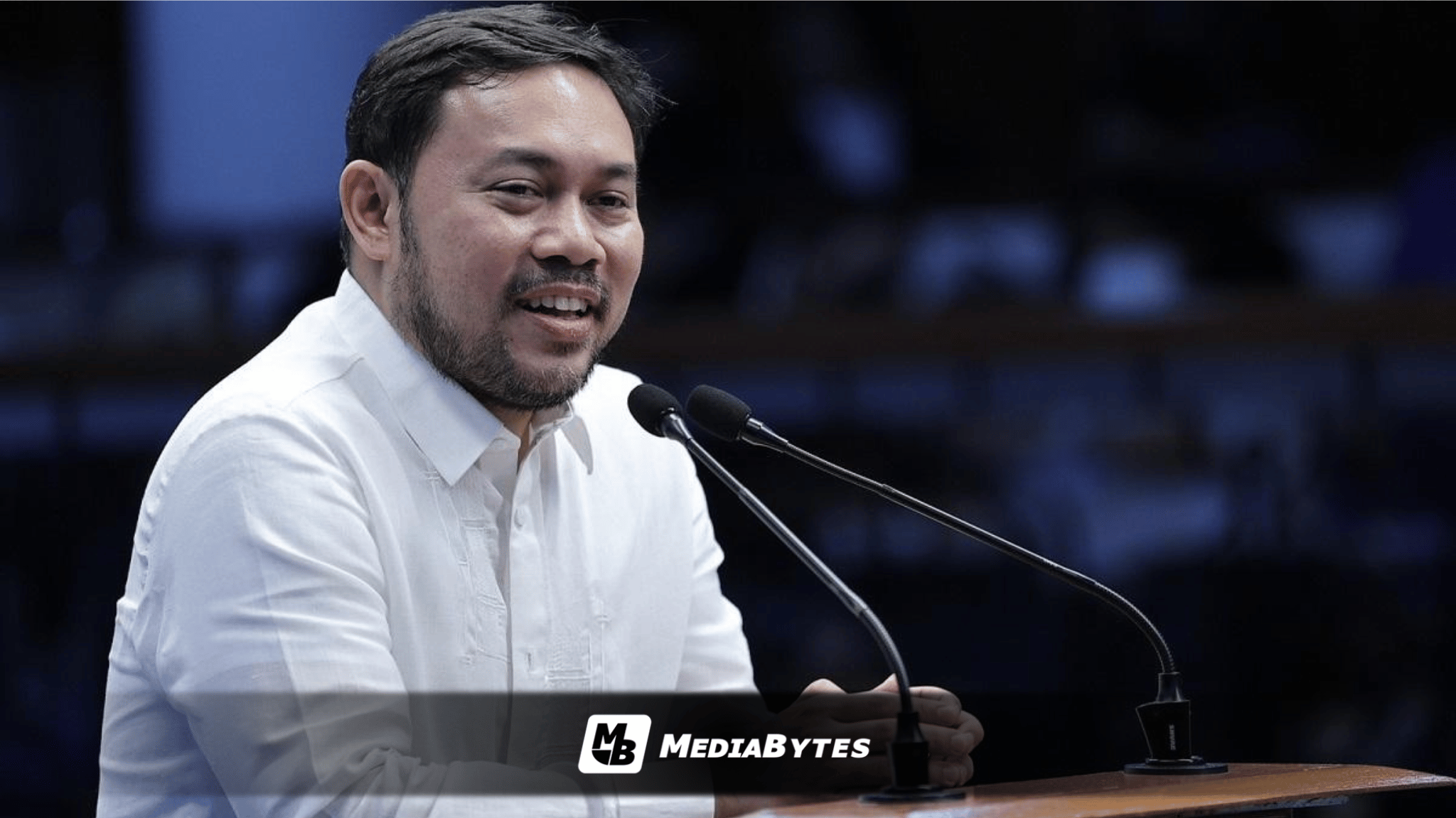
Senator Mark Villar is calling for a comprehensive strategy to resolve unemployment and underemployment in the Philippines, highlighting the necessity of aligning workforce training with industry demands, equipping laborers with modern skills, and expanding labor protections.
According to Philippine Statistics Authority (PSA) data, the country recorded 49.21 million employed Filipinos in July 2026. Nevertheless, 3.14 million individuals remained unemployed—reflecting a 6% unemployment rate—while another 6.33 million were underemployed.
The Congressional Policy and Budget Research Department (CPBRD) noted that joblessness and underemployment persist as structural challenges in the domestic labor market, underscoring the urgency for policies that create sustainable jobs and distribute economic gains more broadly.
Villar argued that job creation must extend beyond mere quantity to ensure workforce stability and career progression.
“Hindi sapat na makalikha lamang tayo ng maraming trabaho. Dapat nating tiyakin na ang mga ito ay dekalidad, may sapat at makatarungang sahod, at nagbibigay ng oportunidad para sa pangmatagalang pag-unlad,” Villar emphasized.
To minimize financial and logistical obstacles for job seekers, Villar has advanced several legislative measures. These include Senate Bill No. 1272, or the proposed Kabalikat sa Hanapbuhay Act, which offers aid to indigent job seekers, and Senate Bill No. 1641, or the Barangay Skilled Workers Registry Act, designed to match local talent with community-level employment.
The senator also stressed the urgency of protecting workers against disruptions driven by artificial intelligence and automation. His proposed Workers’ Protection and Skills Development on Digital Economy Job Disruption Act (Senate Bill No. 649) seeks to safeguard employees while fostering digital adaptability.
Furthermore, Villar advocated for tighter collaboration between the Technical Education and Skills Development Authority (TESDA), educational institutions, and the private sector to ensure vocational training reflects industry needs in manufacturing, information technology, logistics, and tourism.
He also highlighted the necessity of extending training, livelihood support, and labor rights to freelancers in the digital economy.
On the ground, Villar noted that his office continues to host “MARKAbuhayan,” a monthly job caravan designed to deliver direct employment opportunities to local communities.