


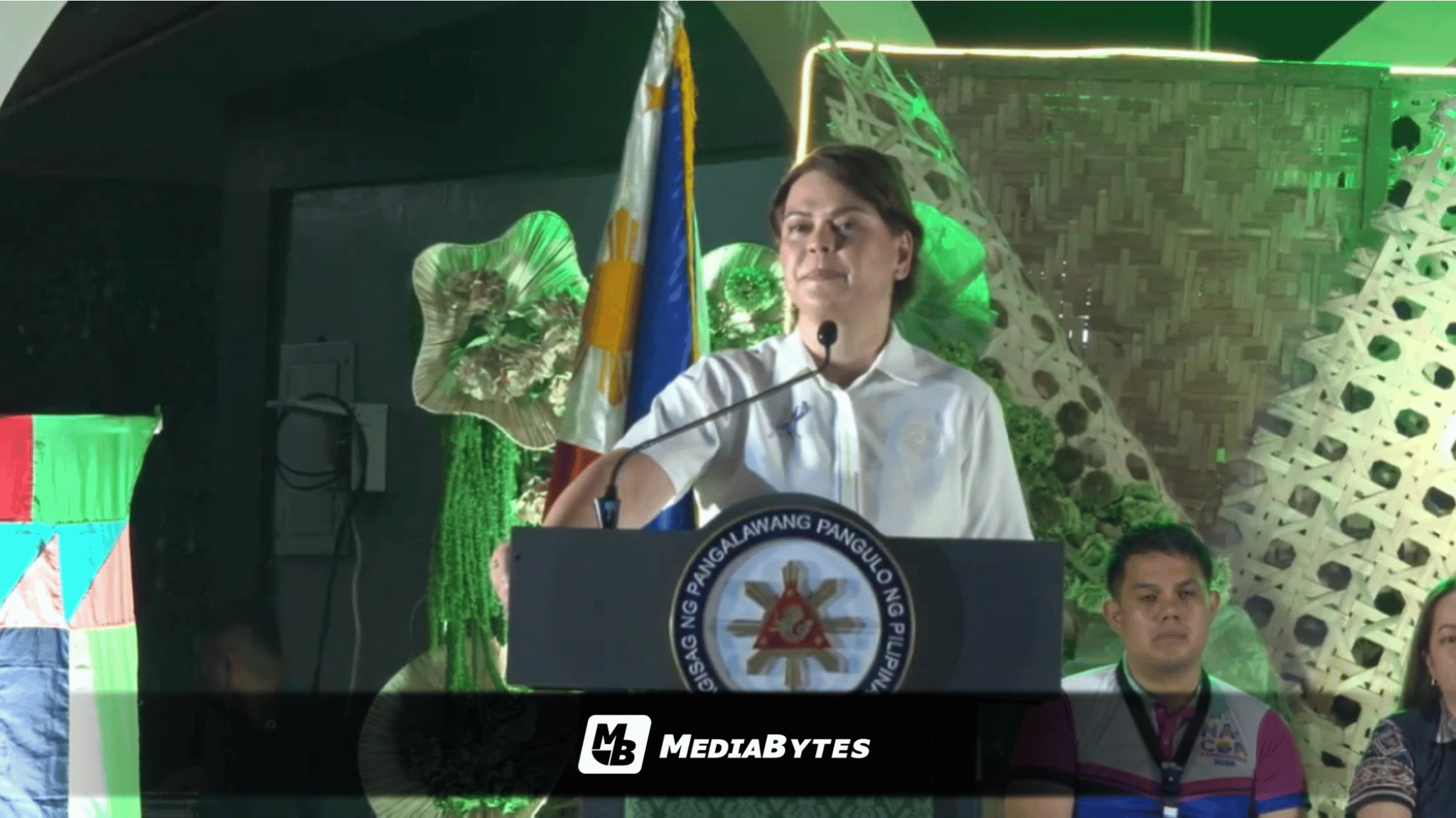
ZAMBOANGA CITY — Vice President Sara Duterte has advocated for a government anchored on accountability and effective leadership, pointing to rampant corruption, skyrocketing living costs, widespread poverty, and faltering public services as the nation’s most critical hurdles.
Delivering an address before the Junior Chamber International (JCI) Philippines National Convention 2026 in Zamboanga City on October 15, Duterte shared her vision for a nation where public office is treated as a solemn duty, administrative transactions remain transparent, and treasury funds are strictly utilized for public welfare.
Speaking during the observance of the feast of Our Lady of the Pillar, Duterte sought to distance her remarks from her current political standing.
“I stand before you not as a Vice President facing impeachment charges, and certainly not as a presumptive presidential candidate,” Duterte said.
“I stand before you as a fellow leader—just like each and every member of JCI gathered here,” she added.
The Vice President urged local leaders to reflect deeply on the type of nation they intend to build and leave behind for coming generations, emphasizing that the country must actively confront structural obstacles to achieve genuine progress.
Addressing the audience, Duterte highlighted how corruption persistently damages state institutions, siphons away funds designated for critical social services, and halts national advancement.
“Corruption continues to erode our institutions, drain resources from essential public services, and diminish our opportunities for national growth and development,” she noted.
She also drew attention to the heavy financial burden placed on households by the soaring prices of basic commodities, electricity, housing, transportation, and food, which heavily restrict families from saving or coping with emergencies.
Furthermore, Duterte stressed that persistent poverty, scarce employment opportunities, and a lack of decent livelihoods remain major stumbling blocks, arguing that economic metrics are meaningless if they fail to improve daily human experiences.
“Economic growth means little if it exists only in statistics but cannot be felt in the lives of ordinary people,” she emphasized.
Rounding out her assessment, Duterte identified severe gaps in the educational and healthcare sectors—such as the need for better classrooms, well-supported teachers, and accessible medical care—alongside systemic issues like chronic flooding, traffic gridlock, bureaucratic red tape, and disaster vulnerability.
She challenged leaders across the country to critically evaluate whether the quality of life for ordinary Filipinos has genuinely improved over the past decade.