


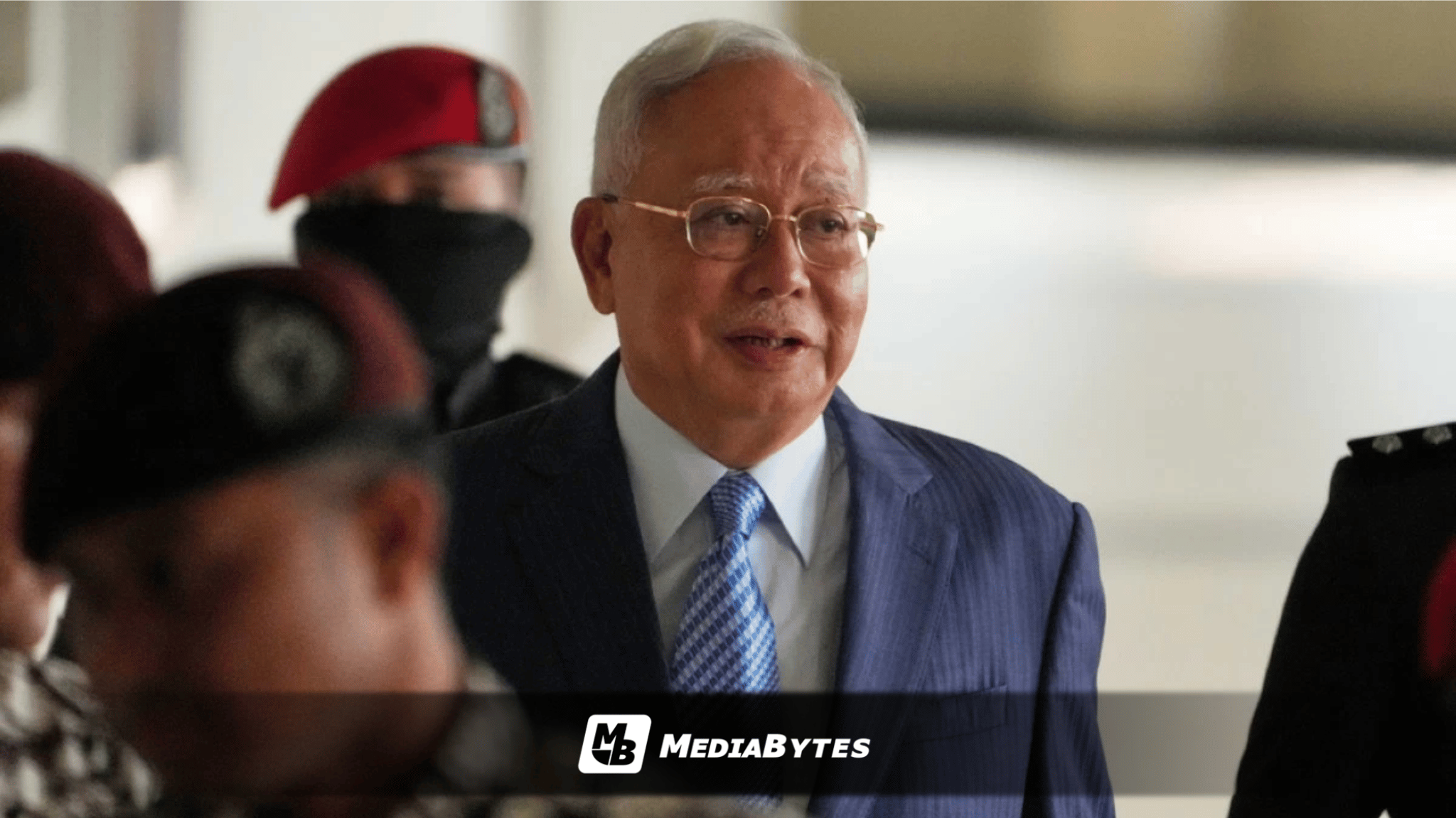
KUALA LUMPUR, Malaysia — Malaysia’s national palace declared on Saturday that the royal decision permitting imprisoned former Prime Minister Najib Razak to serve the remainder of his sentence under house arrest is unambiguous and must be respected, warning that any legal challenges amount to defying the king.
The palace’s statement came just a day after the attorney-general temporarily blocked Najib’s transfer from prison, citing the need for further legal clarification regarding its interaction with his ongoing legal cases.
Najib had briefly left prison on Friday after his political party settled a 50-million-ringgit ($12.3 million) fine mandated under a royal conditional pardon. However, he was returned to custody hours later following the attorney-general’s intervention.
Najib has been incarcerated since August 2022 after Malaysia’s top court upheld his corruption conviction tied to the multibillion-dollar 1MDB state fund scandal. In September, Malaysia’s king granted him a conditional pardon, reducing his original sentence and allowing for house arrest upon payment of the fine.
The palace asserted that all prerequisites for the pardon had been met, emphasizing that the decree leaves no room for misinterpretation.
“The conditional pardon order is clear, explicit and without any ambiguity, and is unrelated to any other cases against him,” the palace statement said.
“Given that all the conditions in the conditional pardon order have been fulfilled, any arguments challenging the order would amount to disobeying the command” of the king, it added.
There was no immediate response from the attorney-general’s office following the palace’s rebuke.
The house arrest directive applies solely to Najib’s reduced six-year sentence from his initial trial and does not encompass a separate 15-year prison sentence handed down in December 2025 for subsequent corruption and money laundering charges linked to the 1MDB scandal, which he is currently appealing.
The attorney-general’s office previously defended its delay, explaining that it aimed to clarify how the house arrest order interacts with Najib’s consecutive sentences rather than contest the royal prerogative itself.