


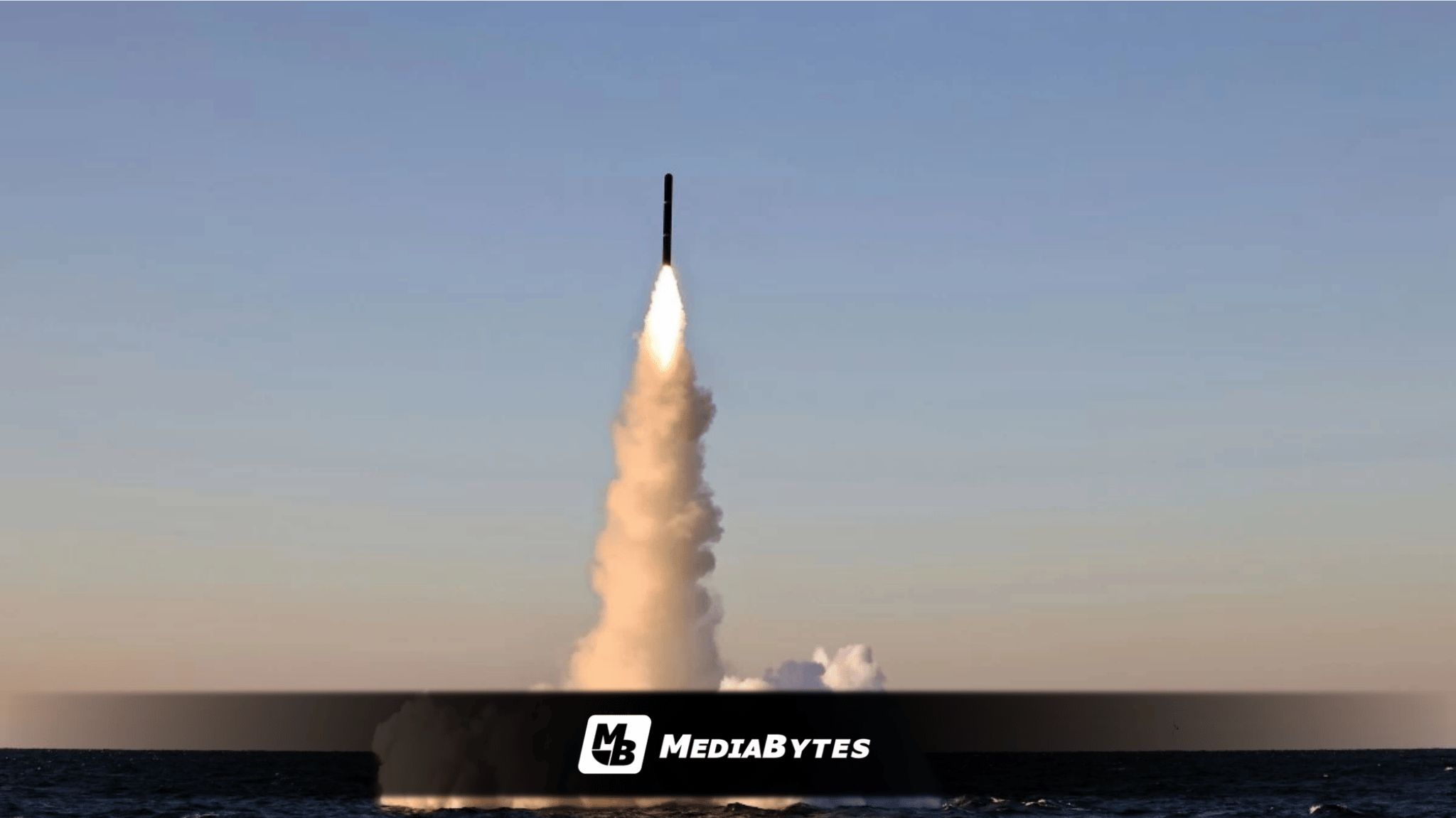
SEOUL — North Korea has executed its initial publicly documented underwater missile evaluations in almost three years, firing two categories of strategic cruise missiles off its eastern coastline. Defense specialists suggest the activity may point to ongoing efforts to ready a nuclear-capable submarine for active deployment.
The launch events took place on Wednesday and were subsequently covered by the country’s state-run Korean Central News Agency (KCNA) on Thursday. The actions coincide with Pyongyang’s broader escalation of weapons demonstrations, widely interpreted as an attempt to compel the United States into granting concessions ahead of any future diplomatic engagement.
According to KCNA reports, the primary objectives were to inspect the combat readiness of underwater systems and verify the functional credibility of the nation’s nuclear deterrent.
While state media omitted specific details regarding the launch platform, imagery distributed alongside the official reports strongly suggested the utilization of the Hero Kim Kun Ok. This vessel was initially introduced to the public in 2023 amid assertions that it possessed tactical nuclear strike capabilities from beneath the surface.
Should the submarine’s participation be officially verified, Wednesday’s exercises would mark the first known weapons test executed by the platform. Analysts note that this milestone could signify that North Korea has transitioned to testing integrated weapon systems prior to putting the vessel into operational service, potentially escalating security anxiety in Washington and Seoul.
Prior to these recent tests, North Korea’s submarine-based missile trials relied heavily on a smaller 2,000-ton vessel featuring a solitary launch tube, which many international observers viewed predominantly as a research and development platform rather than an active military asset.
When the Hero Kim Kun Ok was revealed in September 2023, state publications highlighted its capacity to house up to 10 missile launch tubes alongside traditional torpedo tubes. Despite these boasts, international experts expressed skepticism, suggesting the craft was built through the retrofitting of an older diesel-powered hull rather than fresh construction.
The three-year hiatus in public testing further fueled speculation that the submarine faced structural or technical hurdles, particularly concerning underwater stability and control. However, Shin Jong-woo, an analyst at South Korea’s Defense and Security Forum, noted that Wednesday’s tests imply Pyongyang may have successfully resolved some of these design complications.
Shin added that additional trials, potentially involving ballistic missiles, are likely before the vessel officially joins the naval fleet.
Regional experts have cautioned that integrating the submarine could substantially elevate security risks for the United States and South Korea. Moon Keun-sik, a submarine specialist and educator at Seoul’s Hanyang University, emphasized that the core danger lies in the inherent unpredictability of submarine-based strikes.
The submarine’s deployment “would pose a significant threat” to South Korea and the U.S. because underwater-launched missiles are “formidable weapons that we don’t know when and where they would be fired,” Moon stated.
South Korea’s Joint Chiefs of Staff verified that military radar and monitoring assets successfully tracked the launches, confirming they originated from an underwater platform. South Korean officials noted that one projectile exited via a vertical launch tube while the second was fired through a standard torpedo tube, though they withheld immediate confirmation of the specific submarine identity.
This progression highlights Pyongyang’s ongoing drive to diversify its naval strike options, complicating tracking and interception efforts for opposing regional forces.
As monitoring continues, the potential operational readiness of the Hero Kim Kun Ok introduces new variables into security assessments across the Korean Peninsula.